
For millions of people, pubic hair grooming is part of a regular hygiene or beauty routine. Shaving, waxing, trimming, and laser removal are common practices across age groups and genders. But a new meta-analysis is putting renewed attention on a sensitive question: could pubic hair grooming and STI risk be connected? The findings suggest there may be an association, particularly among frequent or extreme groomers, though experts say the story is more nuanced than a simple cause-and-effect warning.
What the New Research Says About Grooming and Sexual Health
The latest review examined data from multiple studies exploring pubic hair grooming and STI risk across different populations. Researchers found a recurring pattern: people who reported frequent or complete pubic hair removal were more likely to report a history of sexually transmitted infections. Earlier research involving more than 7,500 U.S. adults found groomers were about 80% more likely to report past STIs after adjusting for factors like age and sexual partners. Extreme groomers, defined in some studies as people removing all pubic hair more than 11 times per year, showed even higher associations with certain infections. Researchers caution that these findings reveal correlation, not proof that grooming directly causes infection.
Why Experts Think Grooming Could Increase Infection Risk
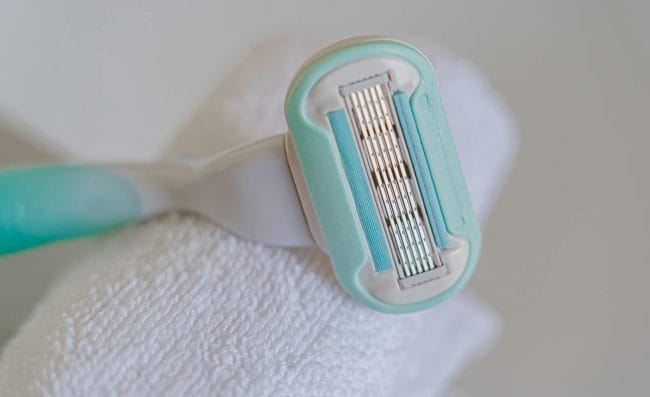
One theory centers on tiny skin injuries that often go unnoticed after shaving or waxing. Small cuts, razor burn, irritation, or microtears may weaken the skin’s natural barrier, potentially creating openings for viruses or bacteria transmitted through skin contact. Think of someone shaving right before a date night, then experiencing friction during sex while the skin is freshly irritated. That combination may increase vulnerability, especially with infections spread through skin-to-skin contact, such as herpes or HPV. Some researchers also note that shared grooming tools could pose hygiene concerns, although evidence for transmission this way remains limited.
The Findings Are Not Completely One-Sided
Not every study has found a strong link between pubic hair grooming and STI risk. A 2019 study of female university students using laboratory-confirmed testing found no meaningful connection between extreme grooming and chlamydia or gonorrhea diagnoses. Researchers argued that lifestyle factors, including age, sexual activity, and number of partners, may explain part of the association seen in broader surveys. In other words, people who groom more frequently may also be more sexually active, which independently raises STI exposure risk. That distinction matters because it prevents readers from assuming grooming alone determines sexual health outcomes.
Practical Ways to Reduce Risk Without Giving Up Your Routine
For readers who groom regularly, experts are not saying you must stop completely. Instead, safer habits may help reduce potential problems linked to pubic hair grooming and STI risk. Use clean, sharp razors, avoid sharing grooming tools, and consider skipping shaving immediately before sexual activity to allow skin time to recover. Moisturizing after grooming and watching for cuts, bumps, or irritation can also support skin health. Most importantly, proven sexual health practices, including condoms, regular STI testing, and open communication with partners, remain far more important predictors of protection than hairstyle choices alone.
The Bigger Takeaway Readers Shouldn’t Ignore
The conversation around pubic hair grooming and STI risk highlights how everyday routines can intersect with health in unexpected ways. The newest research does not prove that shaving or waxing automatically leads to infection, but it does raise worthwhile questions about skin health, behavior patterns, and sexual wellness. Readers deserve balanced information that avoids fear while still respecting emerging evidence. If you are groomed, staying informed and practicing safer sexual health habits is the most practical approach.
Have you ever changed your grooming routine because of health concerns, or do you think this research is being overinterpreted? Share your thoughts in the comments — the conversation matters.
What to Read Next
8 Medications Many Chronic-Condition Patients Still Use Despite Updated Safety Guidance
The Rise of Sextortion: Why It’s the #1 Threat to Teenage Boys Right Now
The post Pubic Hair Grooming Linked to Higher STI Risk, New Meta-Analysis Finds appeared first on Budget and the Bees.