You probably know someone like this. They always offer to drive. They probably volunteer before you even finish the question, and would like to take their own car. They're up at 5 a.m. for the airport run, and they actually mean it when they say it's no big deal. Everyone calls them easygoing, low-maintenance, the perfect travel companion, and sometimes that's all there is. But for a certain kind of person, the offer has little to do with the favor. It’s about the seat.
According to a peer-reviewed study published in the Journal of Family Psychology, a steady sense of control over daily life acts like armor against depression and anxiety, while feeling powerless wears people down over time. This finding may explain a habit that nearly everyone has seen up close: that one friend in the group who always volunteers to drive.
The one seat where every call is theirs
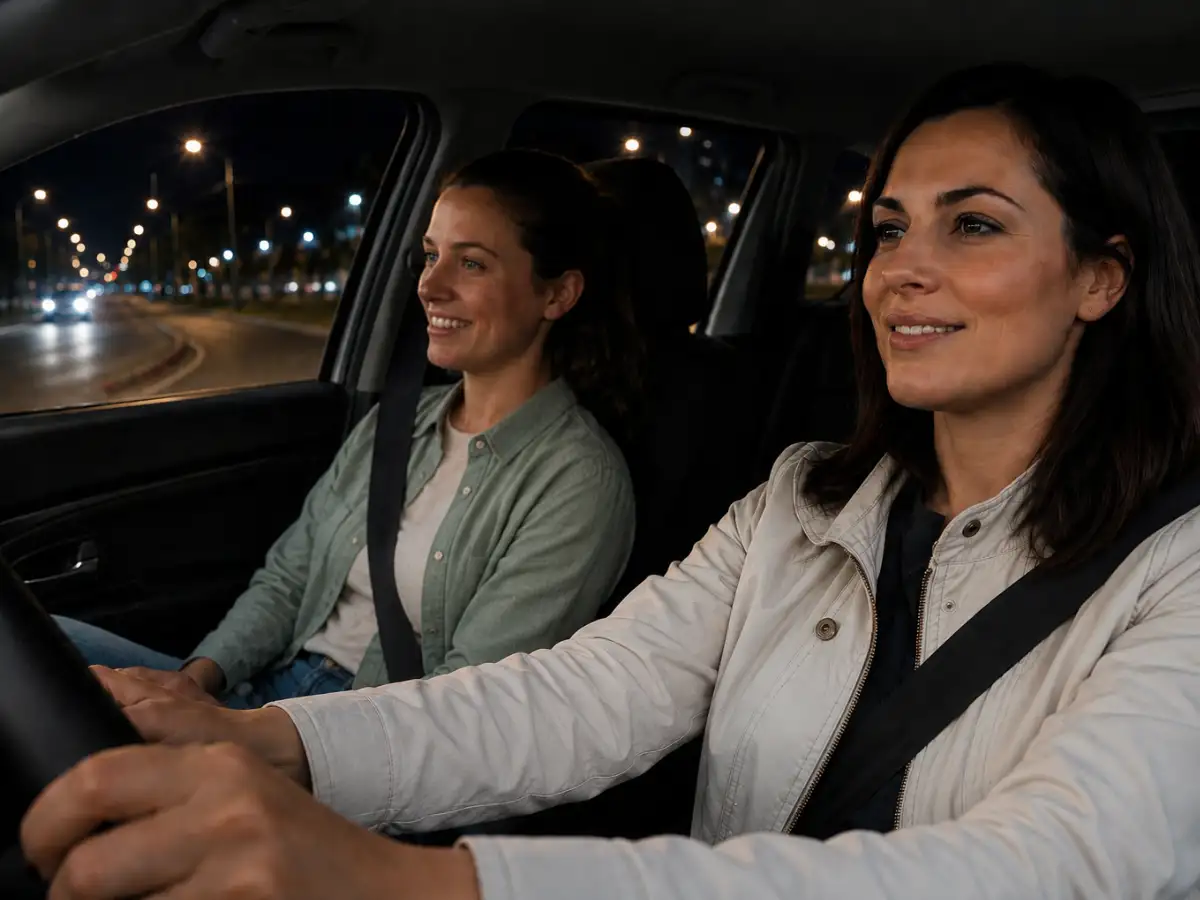
The driver chooses the route, the speed, the highway or the back roads, when to stop for gas, whether to stop at all, and what plays through the speakers at the wheel. They own every little fork for the next two hours.
That say-so means more than it sounds. A well-cited Psychology Today summary of decades of research on control states that a sense of control over one’s life is one of the strongest predictors of happiness across cultures, and that losing that control is correlated with poorer mental and physical health. If you didn’t have much or any say in anything growing up, the wheel isn’t something you choose to pick up. It's relief, a little steady dose of control they can't get anywhere else.
No one else in the car knows this is happening. From the passenger seat, a person managing every variable looks exactly like someone doing everyone a kindness.