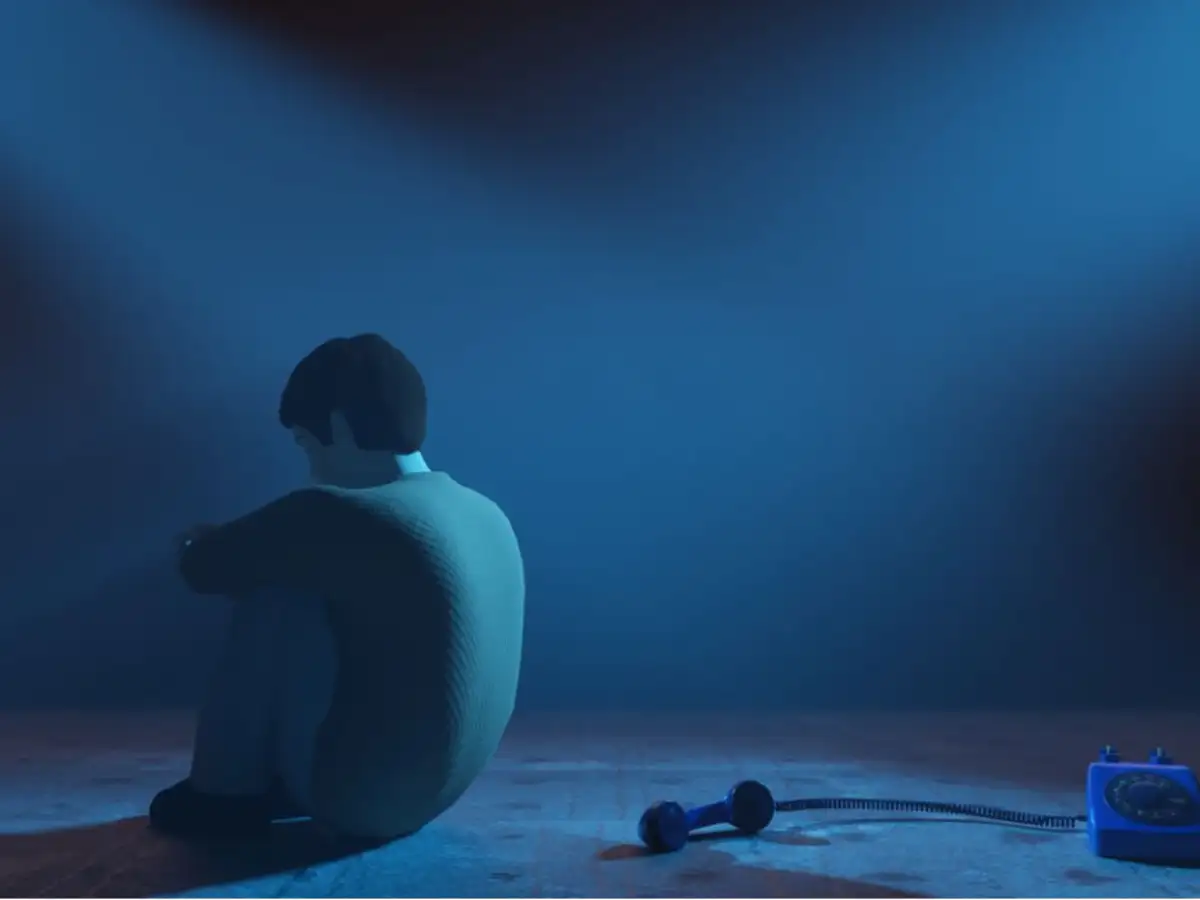
When people think about adults with very few close friends, they often assume loneliness is the central issue. Sometimes it is. Yet psychology suggests that for many people, the deeper struggle is not being alone but deciding whether closeness is worth risking again. Research on rejection, social trust, attachment, and loneliness by Annette W. M. Spithoven, Patricia Bijttebier, and Luc Goossens showed that repeated disappointments can gradually change how people approach relationships.
A person who has experienced enough broken promises, one-sided friendships, or emotional abandonment may begin to view distance as more predictable than connection. This does not necessarily mean they have stopped wanting meaningful relationships.
In many cases, it means they have learned to associate vulnerability with disappointment, making solitude feel less painful than repeatedly hoping for support that never arrives. The withdrawal that follows is often better understood as protection than preference.