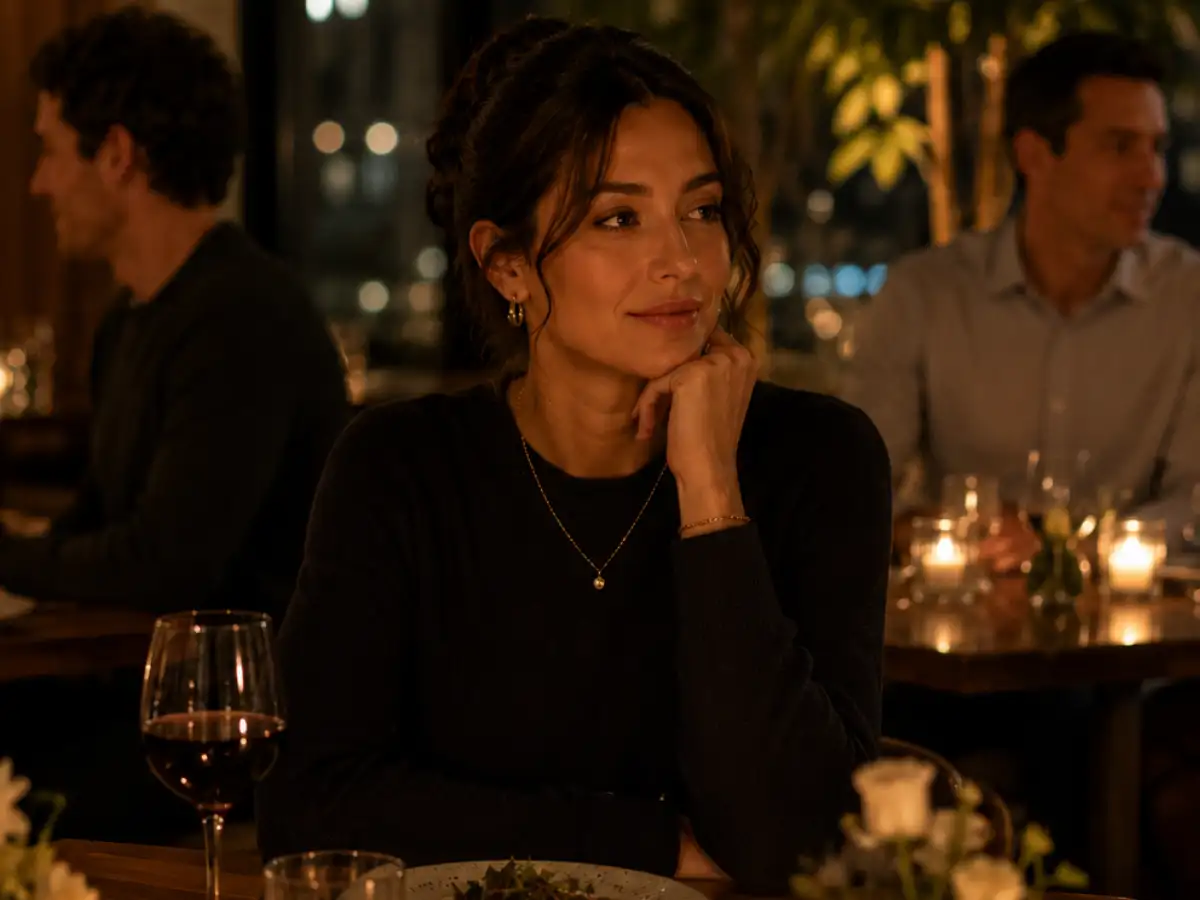
Picture this: you are at a dinner party, and someone asks the question that everyone dreads: “So, are you seeing anyone?” You smile, lay down your fork, and say, “No. And honestly, I'm not looking.” The table goes silent for two seconds until someone changes the subject to rent prices.
That silence speaks volumes. Not about the person, but about how little room American culture allows for people who have deliberately, thoughtfully chosen to stay alone. Not because they’ve given up on connection. But because it matters so much to them that a hollow version of it is worse than none at all.
More Americans are making that choice. According to the Pew Research Center, as of 2021, 25% of 40-year-olds in the United States had never been married, compared to 20% just a decade earlier. Being single is not a temporary detour for millennials in particular. For many, it's probably the whole point.
The story we tell about single people is wrong
There is a deeply embedded cultural script in America. You date, you commit, and you build a life with someone. Being single is the waiting room. If you are single for too long, it’s often assumed there must be something wrong.
But that script doesn’t hold up when you look at the data.
Rather than suffering through it, single people who really enjoy life on their own are thriving. This is according to Dr Bella DePaulo, a Harvard PhD and the leading US researcher on singlehood, who draws on survey data from more than 20,000 people across more than 100 countries. DePaulo’s research shows that the people she calls the “single at heart” lead joyful, meaningful, and psychologically rich lives. Contrary to popular assumptions, these people also become happier as they get older and are better able to navigate later life on their own than those who have built everything around a romantic partnership, DePaulo said.
That calls into question everything we assume about people who aren't coupled up.