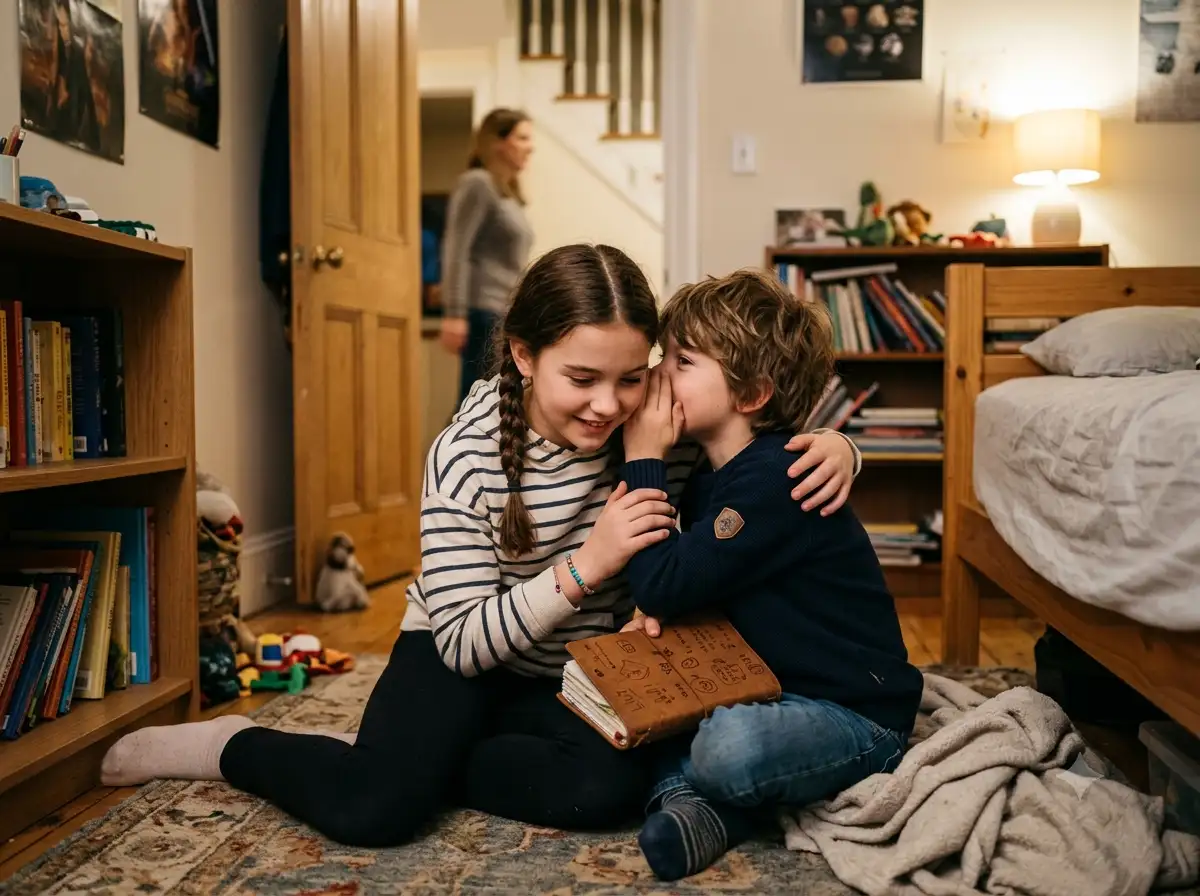
Psychology says people who safeguard the secrets of their siblings aren't acting out of selfishness or dishonesty in many situations. Instead, they may be protecting an important relationship built on trust and mutual respect. Siblings often grow up sharing experiences that no one else fully understands. This creates a bond where personal information is shared with confidence. Psychology explains that keeping a sibling's secret can show loyalty, emotional maturity, and respect for personal boundaries. However, this behavior is healthy only when the secret does not involve danger, abuse, or illegal activity. Understanding this pattern helps explain how trust develops within families and why it often lasts for many years.
Understanding how psychology explains sibling trust
Sibling relationships are usually among the longest relationships in a person's life. Brothers and sisters often experience childhood, family traditions, challenges, and celebrations together. These shared experiences create emotional connections that continue into adulthood.
When one sibling shares a personal secret, they often expect privacy and understanding. Protecting that information can strengthen trust. The person keeping the secret is not necessarily trying to hide facts from others. Instead, they may be respecting the confidence placed in them.
Psychologists explain that trust grows when people believe their personal thoughts and experiences will not be shared without permission. This creates emotional safety within relationships.
What psychology says?
Psychology views trust as one of the foundations of healthy relationships. When siblings protect each other's private information, they often reinforce feelings of security and acceptance.
Research on interpersonal relationships shows that trust develops through repeated experiences of honesty, reliability, and respect. When siblings know they can rely on one another, they may feel more comfortable discussing personal concerns, future goals, or difficult situations.
Keeping appropriate secrets is different from supporting harmful behavior. Psychology encourages people to maintain confidentiality only when doing so does not place someone at risk.
What does this mean?
Keeping a sibling's secret often means the relationship has reached a level where both people believe their privacy will be respected.
This behavior may show:
- Trust between siblings.
- Respect for personal boundaries.
- Emotional responsibility.
- Loyalty during difficult situations.
- Confidence in the relationship.
It also shows that people understand not every personal detail needs to be shared with others. Respecting privacy allows relationships to grow without fear of judgment.
At the same time, healthy boundaries require knowing when a secret should not remain hidden. If someone is facing abuse, self-harm, violence, or another serious danger, seeking help becomes more important than keeping confidentiality.
Why is it done?
People protect their siblings' secrets for many reasons.
- One common reason is emotional support. A sibling may reveal something personal because they believe their brother or sister will understand them without criticism.
- Another reason is family loyalty. Many people develop a sense of responsibility toward their siblings from childhood. They may naturally feel the need to protect one another.
- Some people also understand the importance of privacy. They believe personal information belongs to the individual who shared it. Unless permission is given, they avoid discussing it with others.
- Keeping a sibling's confidence may also prevent unnecessary conflict within the family when the information is personal rather than harmful.
Which psychology theory explains this behaviour?
Several psychological theories help explain why people protect their siblings' secrets.
Attachment Theory suggests that secure relationships create trust and emotional safety. When siblings develop secure attachments, they often feel comfortable sharing personal information because they believe it will remain private.
Social Exchange Theory explains that relationships continue when people experience trust, support, and mutual respect. Protecting confidential information strengthens these positive exchanges.
Family Systems Theory also helps explain this behavior. It views the family as an interconnected system where each relationship influences the others. Maintaining trust between siblings supports family stability and emotional balance.
Together, these theories suggest that keeping appropriate secrets is often part of maintaining healthy family relationships.
Psychology says people who safeguard the secrets of their siblings aren't acting without reason
People sometimes believe that keeping secrets is always wrong. Psychology offers a more balanced explanation. There is a difference between protecting someone's privacy and hiding harmful actions. Healthy relationships require confidentiality in many situations. Personal feelings, career decisions, relationship concerns, or private struggles do not always need to become public knowledge.
By respecting privacy, siblings communicate that they value each other's trust. This often creates stronger emotional connections over time. However, if the secret involves danger to someone's physical or mental well-being, psychologists encourage involving trusted adults, professionals, or emergency services. Protecting someone's safety always comes before protecting confidentiality.
The principle behind it
The central psychological principle behind this behavior is reciprocal trust. When one sibling keeps another's confidence, the relationship becomes stronger because both people feel respected.
Other important principles include:
- Respect for privacy.
- Emotional security.
- Mutual responsibility.
- Honest communication.
- Healthy personal boundaries.
These principles help family members feel accepted without fear that their private experiences will immediately become public. Over time, repeated experiences of trust create stronger emotional bonds between siblings.
What can people learn from this behaviour?
This behavior teaches several valuable lessons about relationships.
- First, trust should be earned and maintained through consistent actions.
- Second, respecting another person's privacy shows emotional maturity.
- Third, good communication allows people to discuss whether information should remain private or whether outside help is needed.
- Finally, people learn that loyalty does not mean ignoring serious risks. Supporting someone sometimes means encouraging them to seek help instead of keeping harmful situations hidden.
Healthy relationships depend on balancing trust with responsibility.
Life lessons from safeguarding a sibling's secrets
Protecting appropriate secrets offers practical lessons that apply beyond family relationships.
People learn that:
- Trust grows through consistent actions.
- Respect creates stronger relationships.
- Privacy deserves protection.
- Communication prevents misunderstandings.
- Emotional support builds confidence.
- Healthy boundaries protect relationships.
- Safety should always come before secrecy.
These lessons apply to friendships, marriages, workplaces, and communities. People who understand when to protect privacy and when to seek help often build stronger and healthier relationships throughout life.