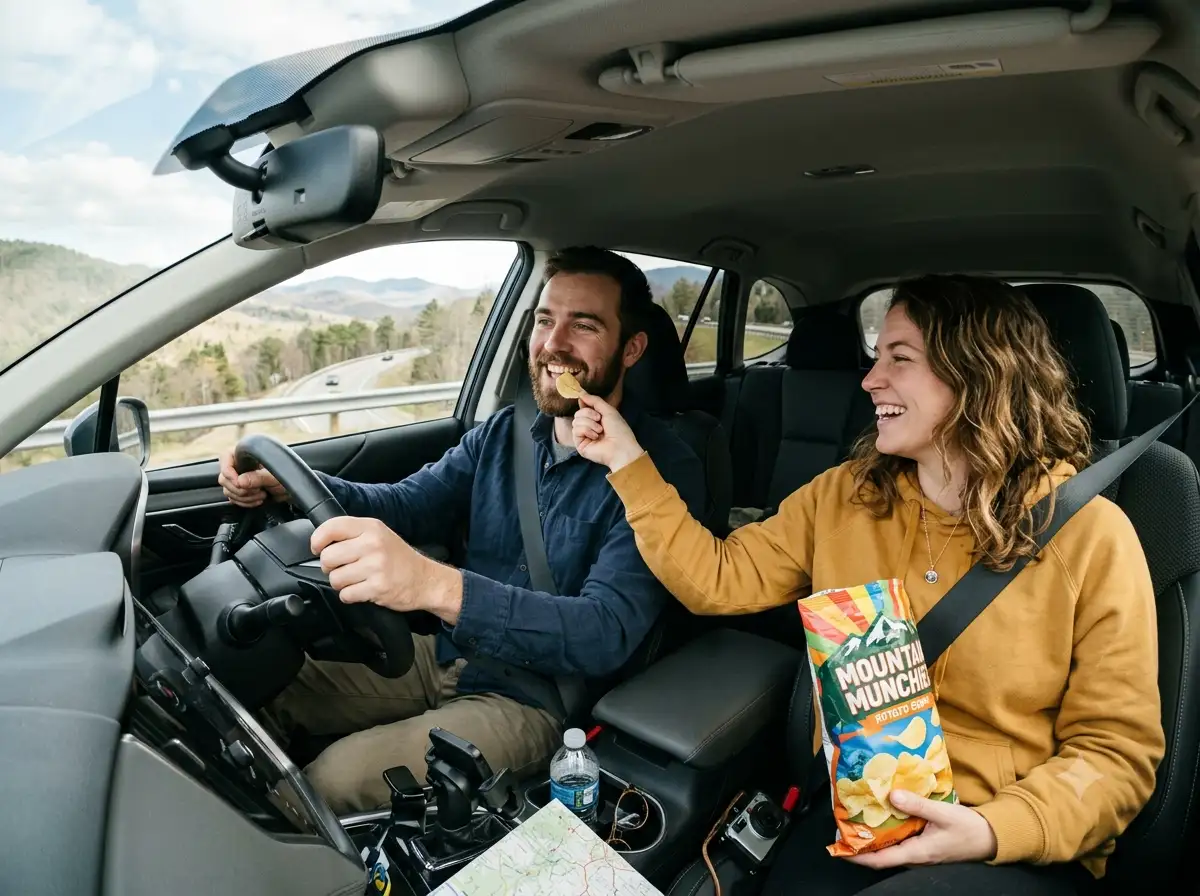
Psychology says people who like to munch while going on trips aren't necessarily eating because they are hungry. Many people pack snacks before leaving home or buy food during road trips, train rides, or flights. Psychology explains that this habit can have several reasons beyond physical hunger. Eating while traveling may help people stay occupied, reduce stress, create comfort, or make the journey feel more enjoyable. The surroundings, the excitement of traveling, and long hours without regular activities can all influence eating behavior. Looking at this habit through psychology helps explain why so many travelers naturally reach for snacks.
Why travel often changes eating habits?
Many people notice that they eat differently when they travel. They may snack more often than they do at home. Even people who usually follow a meal schedule may keep reaching into a snack bag during a journey.
Travel changes the daily routine. People spend long hours sitting in a car, train, bus, or airplane. They have fewer regular activities to keep them occupied. Since food is easy to access during many trips, eating becomes one way to pass the time.
The brain also connects travel with enjoyment. This connection may encourage people to treat themselves with snacks, drinks, or local foods. As a result, eating becomes part of the travel experience rather than simply meeting hunger.
Psychology says people who like to munch while going on trips aren't always responding to hunger
Psychology explains that hunger is only one reason people eat while traveling. Emotional and environmental factors often play an important role. People may eat because they feel excited about the trip. Others may snack to reduce nervousness before flying or during long journeys. Some people simply eat because everyone around them is eating.
The smell of food at stations, airports, or roadside restaurants can also encourage eating. Seeing snacks nearby activates the desire to eat even when the body does not require food. This shows that eating during travel is often influenced by the surroundings rather than physical hunger alone.
What Psychology says?
Psychology suggests that eating behavior is affected by emotions, habits, surroundings, and learned experiences. Travel combines many of these factors at the same time. Many people associate family vacations, holidays, and road trips with snacks. Over the years, the brain builds a connection between traveling and eating. Eventually, simply starting a journey can trigger the desire to snack.
Psychologists also explain that enjoyable experiences activate the brain's reward system. Food becomes part of that reward. This does not mean something is wrong. It simply reflects how people develop habits through repeated experiences.
What does this mean?
This behavior means that food often serves more than one purpose. Besides providing energy, it can also offer comfort, entertainment, familiarity, and emotional satisfaction. During travel, people spend long periods waiting, sitting, or watching scenery. Snacking fills these moments. It gives the hands and mind something to do.
This does not always indicate unhealthy eating. It simply shows that eating habits are influenced by the situation as much as by hunger. Understanding this difference helps people recognize when they are eating because of physical need and when they are eating because of their environment or emotions.
Why is it done?
There are several reasons why people snack more during trips. Some people eat because they feel excited about reaching a destination. Others snack to reduce boredom during long travel hours.
People also use food to stay awake while driving or to make waiting periods feel shorter. Sharing snacks with family and friends creates conversation and strengthens social interaction.
Some travelers worry about not finding food later. This uncertainty encourages them to eat whenever food becomes available. These reasons explain why travel often increases snack consumption.
Which psychology theory explains this behavior?
Several psychological ideas help explain travel snacking.
One is classical conditioning. If someone repeatedly enjoys snacks during vacations, the brain begins linking travel with eating. Eventually, starting a trip alone can trigger cravings.
Another explanation comes from operant conditioning. If eating snacks makes travel feel more enjoyable, people are more likely to repeat that behavior during future journeys.
Psychologists also discuss cue-triggered behavior. Visible snacks, advertisements, food smells, and other people eating act as cues that encourage eating even without hunger. Together, these theories explain why travel can increase the desire to snack.
The principle behind it
The main psychological principle is that human behavior is shaped by both internal feelings and external surroundings. The brain responds to rewards, habits, routines, emotions, and environmental signals. During travel, many of these influences appear together.
Limited movement, excitement, waiting, social interaction, and easy access to food all increase the likelihood of snacking. The behavior is not controlled by one single reason. Instead, several psychological factors work together.
What to learn from it?
Understanding this behavior helps people become more aware of their eating choices. Recognizing emotional eating makes it easier to decide whether food is needed or simply desired. Travelers can prepare balanced snacks before leaving home instead of relying only on convenience foods.
Taking short walking breaks during long journeys, drinking enough water, and paying attention to hunger signals may also help manage eating habits. Awareness does not mean avoiding snacks completely. It simply encourages mindful eating.
Life lessons from the behavior
Travel snacking teaches that many daily habits develop through experience rather than conscious decisions. People often repeat behaviors because they create comfort, positive memories, or emotional satisfaction.
By understanding these patterns, individuals can make choices that match their personal needs instead of acting automatically. The habit also reminds people that emotions and surroundings influence behavior in many areas of life, not only eating. Small moments of awareness can help people build healthier and more balanced routines while still enjoying travel experiences.