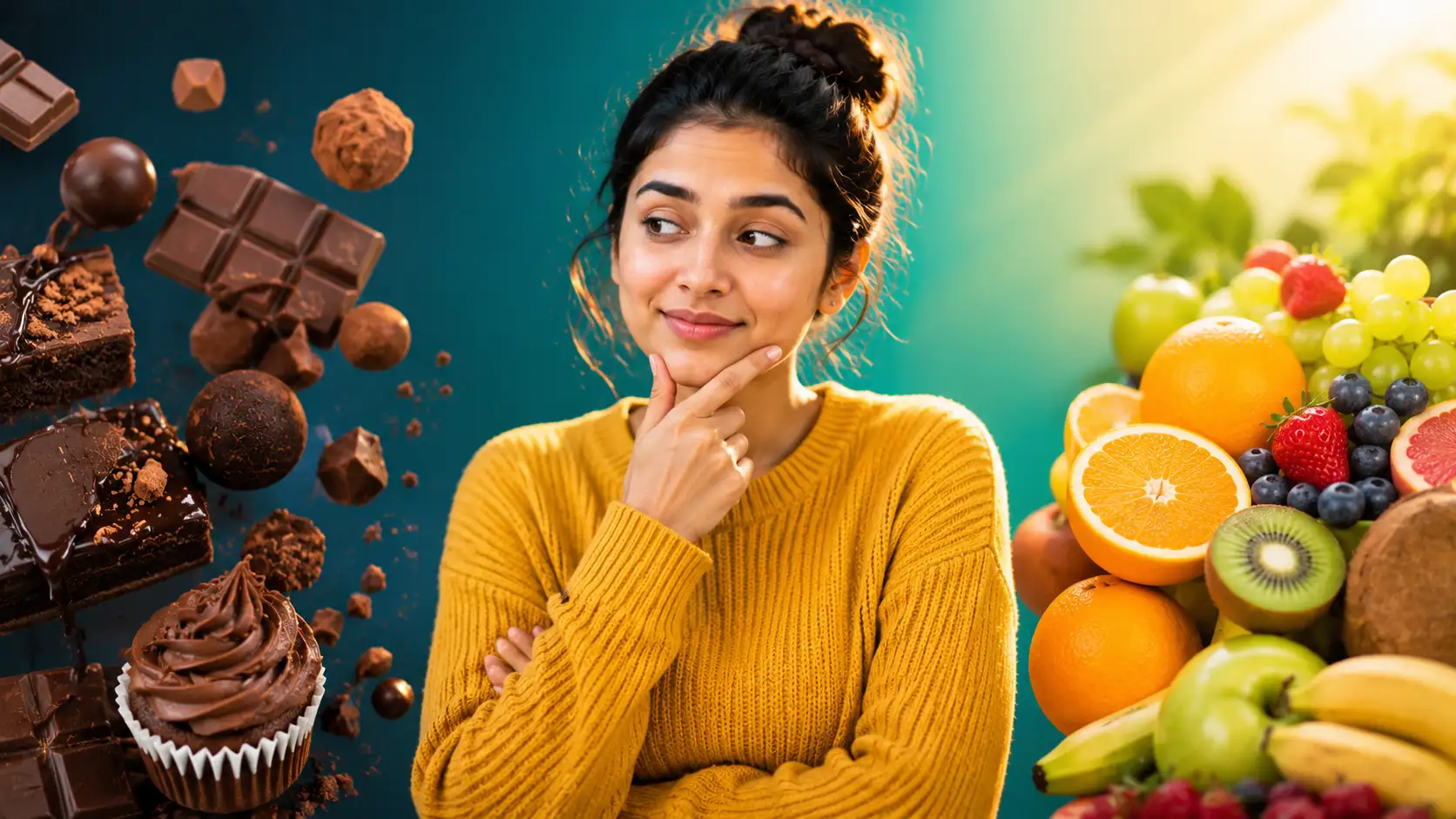
Chocolate is one of the world's most popular treats. It appears in birthday cakes, holiday gifts, desserts, and celebrations across many cultures. Because it is so widely loved, people are often surprised when someone says, "I don't like chocolate." Friends may jokingly ask, "How is that even possible?" Psychology, and food science suggest the answer is more interesting than most people realize.
There is no scientific evidence that everyone who dislikes chocolate shares the same personality. Food preferences are shaped by biology, childhood experiences, culture, personality, memories, and individual differences in taste perception. Several well-established psychological theories and scientific findings help explain why some people naturally avoid chocolate.
Taste sensitivity differs from person to person
One important explanation comes from research on Taste Perception. Scientists have found that people vary in the number and sensitivity of their taste receptors. Some individuals, often called supertasters, experience bitter flavors much more intensely than others.
Dark chocolate naturally contains bitter compounds. Even milk chocolate contains subtle bitter notes that some people notice more strongly. For these individuals, chocolate may simply taste less pleasant than it does to others. The difference is biological rather than psychological.
Past experiences shape food preferences
Psychologists have long known that food preferences are influenced by Classical Conditioning, first described by Ivan Pavlov. Positive or negative experiences become linked with particular foods.
For example, someone who became sick after eating chocolate as a child may unconsciously associate chocolate with discomfort years later, even if the illness had another cause.
Likewise, someone whose happiest childhood memories involve chocolate cake may develop a lifelong fondness for it. The brain remembers emotional associations remarkably well.
The brain rewards different foods differently
Another explanation comes from Reward Processing. The brain's reward system responds to enjoyable experiences, but what people find rewarding varies widely. For one person, chocolate may trigger feelings of pleasure. Another person may experience the same reward from fresh fruit, salty snacks, spicy foods, or savory meals. Psychologists emphasize that reward preferences are highly individual. Not everyone finds the same foods equally satisfying.
Personality can influence food choices
Research on the Big Five Personality Traits suggests personality also plays a role in eating habits. For example, individuals high in Openness to Experience may enjoy experimenting with unusual flavors instead of choosing familiar sweets.
Others may prefer foods with less sweetness or richer savory tastes. Personality does not determine whether someone likes chocolate, but it can influence the kinds of foods people naturally enjoy.
Sensory processing affects eating experiences
Some people are especially sensitive to texture, smell, or sweetness. Research on Sensory Processing Sensitivity, introduced by psychologist Elaine Aron, suggests that highly sensitive individuals often notice subtle sensory differences that others overlook.
For example, someone may dislike the creamy texture of chocolate, its lingering sweetness, or its rich aroma rather than its taste itself. Their dislike reflects sensory preferences rather than stubbornness.
Culture and habits matter too
Food preferences also develop through repeated exposure. Psychologists refer to this as the Mere Exposure Effect, introduced by Robert Zajonc.
People often grow to like foods they encounter regularly during childhood. Someone raised in a household where fruit was the preferred dessert and chocolate was rarely eaten may simply never develop a strong preference for it. Repeated exposure influences familiarity, but it doesn't guarantee liking.
Disliking chocolate doesn't reveal personality
One common misconception is that people who dislike chocolate are joyless, unhealthy, or difficult to please. Psychology does not support those assumptions. Food preferences reveal very little about kindness, intelligence, emotional health, or character. A person can enjoy vegetables instead of chocolate and still be adventurous, generous, and sociable. Likewise, loving chocolate says little about personality on its own.
Psychology suggests that people who don't like chocolate aren't necessarily unusual or overly selective. Sometimes, disliking chocolate simply means the brain experiences flavor differently, not that anything is wrong.
FAQs
Why do some people dislike chocolate?
Psychologists and food scientists say differences in taste sensitivity, sensory processing, reward preferences, and past experiences can all influence chocolate preferences.
Is disliking chocolate rare?
It is less common than liking chocolate, but it is completely normal. Individual taste preferences naturally vary.