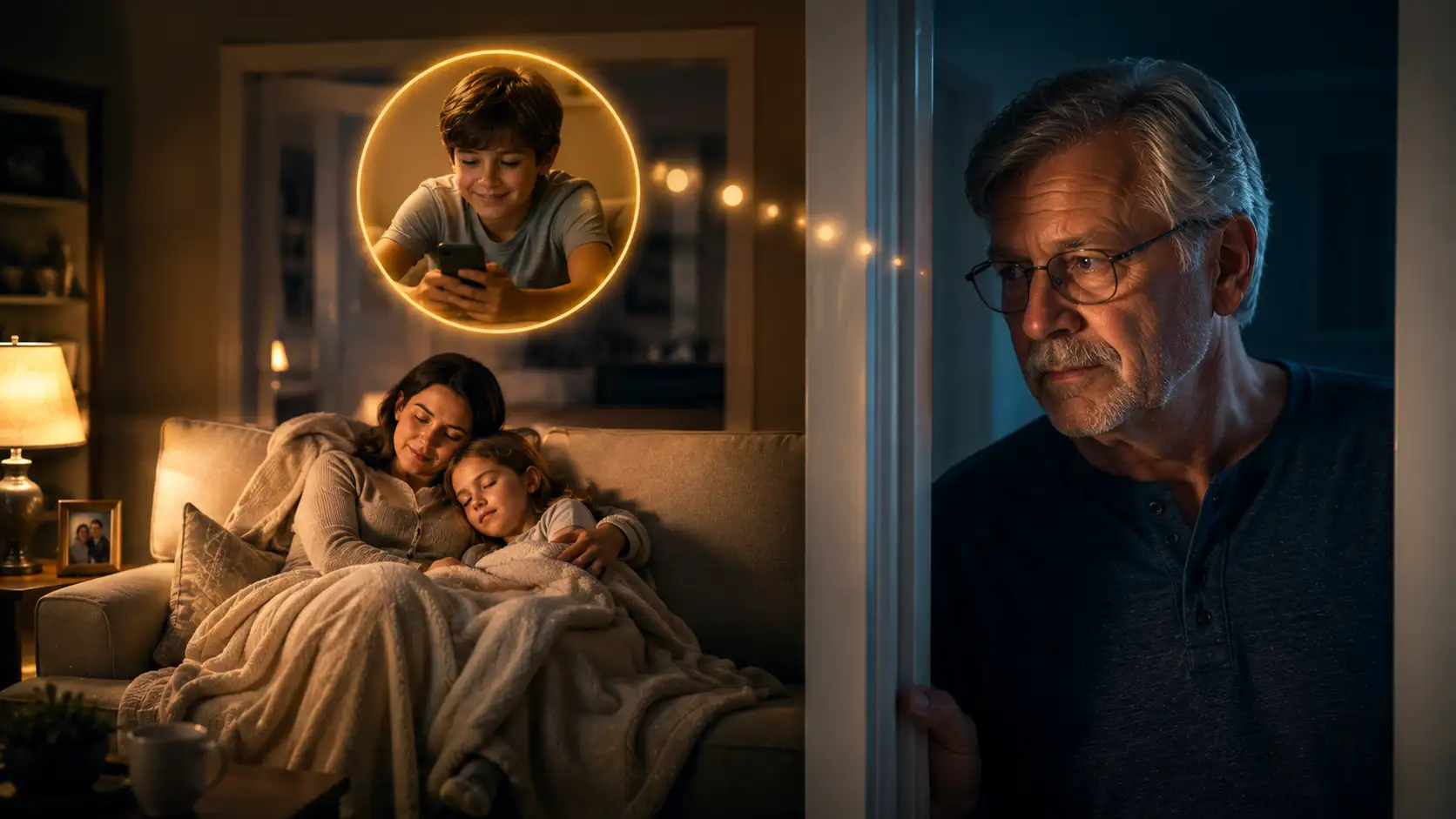
For many families, this scene is instantly familiar. Dad notices you came home unusually quiet. But he does not ask: "Are you okay?" Instead, he says: "Did you have a fight with someone?" You have been working late every night. He does not ask: "Are you stressed?" Instead, he says: "You've been sitting with that laptop a lot lately." You skip dinner. He does not ask: "Are you hungry?" Instead, he says: "There's food in the kitchen." At first glance, these comments may seem random, awkward or even emotionally distant. But psychology suggests something deeper is happening. Many fathers are not avoiding emotions at all. They are simply translating concern into observations, statements or practical comments. In many homes, this becomes their unique language of care. Several psychological theories help explain why.
Fathers Often Express Care Through Instrumental Support
One explanation comes from Instrumental Support Theory. Psychologists recognize that humans show affection differently. Some people express emotions verbally. Others express love by solving problems, offering resources or creating comfort. Many fathers naturally fall into the second category. Instead of asking how someone feels, they quietly try to improve the situation around them. Modern examples include:
- Turning on the porch light before someone arrives home.
- Leaving snacks on the dining table.
- Fixing something that was broken without being asked.
- Filling up a family member's car with gas.
The action becomes the message.
Fathers Sometimes Use Observations Instead Of Emotional Questions
Another explanation comes from emotional masking. Many fathers grew up in environments where direct emotional conversations were less common. As a result, concern often comes disguised as observations. Instead of saying: "I've been worried about you." They may say: "You've been very quiet lately." Instead of saying: "You don't seem happy." They may ask: "Did something happen at work?" The goal is often the same. The approach is different. Indirect questions can feel less intrusive while still opening a door for conversation.
Social Learning Shapes These Habits
Psychologists also point to Social Learning Theory, developed by Albert Bandura. People learn communication styles by watching older generations. Many fathers grew up observing caregivers who expressed love through responsibility rather than emotional conversations. Over time, those behaviors become automatic.
They learn that caring means:
- Being dependable
- Solving problems
- Watching over others
- Anticipating needs
The result is a quieter form of affection.
Protector Identity Makes Fathers Constantly Observe Their Families
Another explanation comes from Role Identity Theory. For many fathers, being a protector becomes a major part of who they are. This role changes how the brain operates. Instead of waiting for problems to appear, it begins scanning for clues. Tiny changes quickly stand out.
They notice:
- Different moods
- Changes in routines
- Shorter answers than usual
- Less energy than normal
Modern example: Many fathers notice that something is wrong long before family members say anything. They may not ask directly, but they have already seen the signs.
Why Practical Statements Often Replace Emotional Ones
Psychologists sometimes call this emotional buffering. Direct emotional questions can feel intense. Practical statements create less pressure. Compare these two approaches.
Direct: "Are you feeling overwhelmed?"
Indirect: "You're sleeping later than usual these days."
The second version often feels safer for people who struggle with emotional vulnerability. It allows family members to share information if they want to.
Modern Fathers Are Quietly Adapting This Habit
Technology has changed the delivery, but not the intention.
Modern examples include fathers sending:
- Weather alerts
- Traffic updates
- News about local incidents
- Car maintenance reminders
The messages may appear unrelated. But underneath them is a hidden sentence. "I'm thinking about you."
Why This Habit Is Often Misunderstood
Many children grow up believing their fathers are emotionally distant. Psychology suggests that may not always be true. Sometimes fathers simply speak a different emotional language. Of course, not every father behaves this way. And not every indirect communicator is a parent. But responsibility often changes how people express affection. Some people say, "I love you." Others turn on the porch light before you arrive. Some people say, "I'm worried about you." Others say, "There's food in the kitchen." Sometimes, the quietest forms of love are hidden inside the smallest actions. Because for many fathers, caring has never been about finding the perfect words. It has always been about making sure the people they love are okay without making a big announcement about it.
FAQs
Why do fathers check on family members indirectly?
Many fathers feel more comfortable expressing care through actions, observations and practical statements rather than emotional questions.
Does indirect communication mean fathers are emotionally distant?
Not necessarily. It often reflects a different communication style rather than a lack of affection.