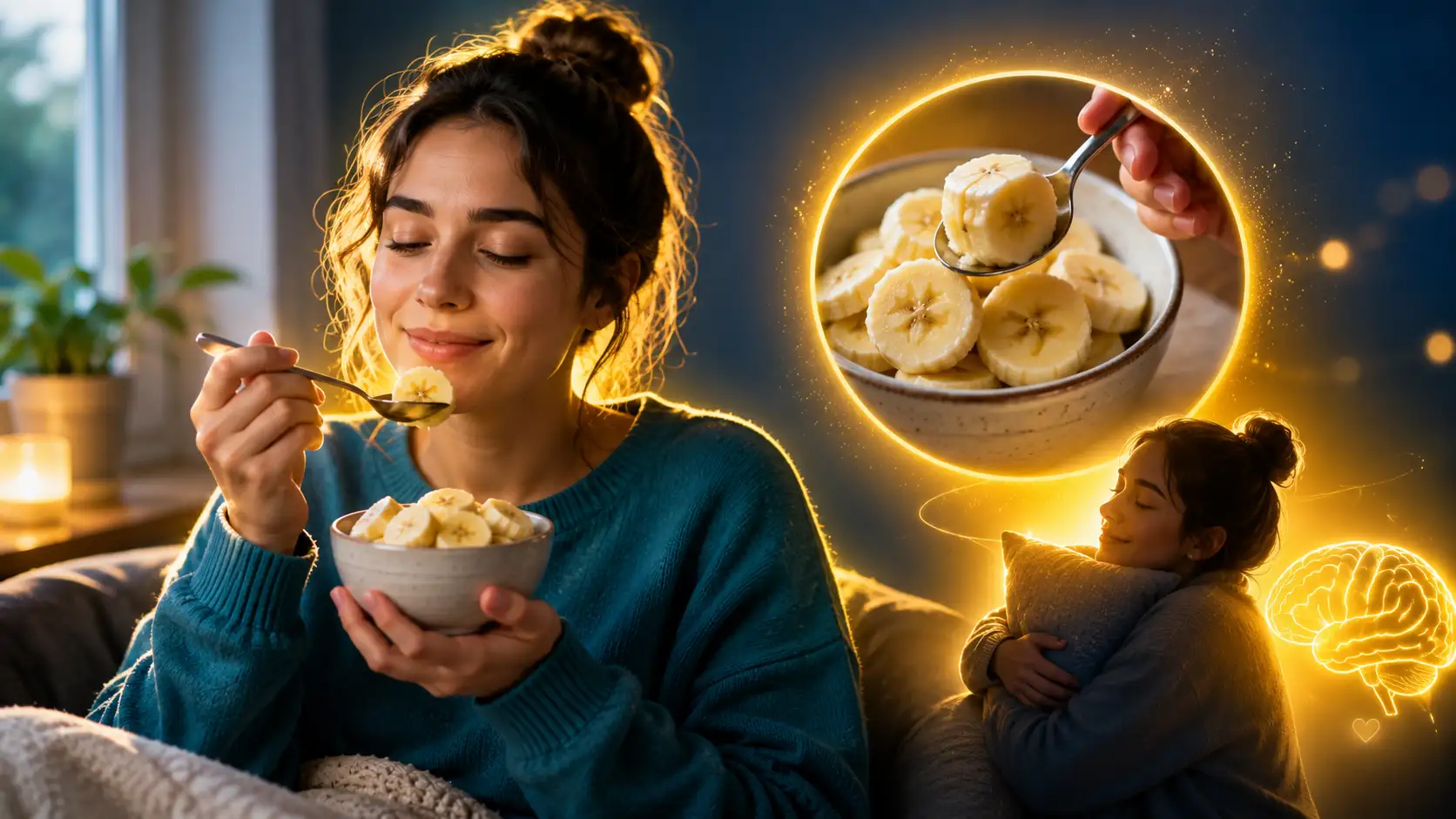
At first glance, it seems like an unusual habit. A person peels a banana, cuts it into small pieces, places it in a bowl, and eats it with a spoon. Others may mash it first or mix it with yogurt, cinnamon, oats, or honey. People around them often ask the same question. "Why not simply eat it normally?" Psychology suggests this behavior is rarely random. For many adults, eating bananas with a spoon is not about being picky or eccentric. It is often connected to comfort, sensory preferences, emotional regulation, and the brain's desire to create tiny rituals during a busy day. In many ways, the spoon is not changing the banana. It is changing the experience.
Why The Brain Loves Tiny Rituals
One explanation comes from Ritual Theory. Psychologists have found that small repetitive rituals can reduce stress and create a sense of order. Humans naturally gravitate toward routines because routines reduce uncertainty. A spoon transforms eating into a deliberate process. Instead of quickly eating while multitasking, people slow down. The sequence itself becomes familiar.
Peel. Slice. Arrange. Scoop. Repeat. This predictability can make everyday moments feel calming.
Why Sensory Preferences Matter More Than People Think
Psychologists also study Sensory Processing Theory. Every brain experiences sensory information differently. Some people enjoy certain textures more than others.A banana eaten directly may feel different from one eaten with a spoon.
The spoon changes:
- Bite size
- Texture perception
- Eating speed
- Temperature experience when mixed with other foods
Many adults unconsciously build eating habits around sensory satisfaction. The behavior is less about the banana itself and more about controlling the eating experience.
Why Small Food Rituals Help Emotional Regulation
Psychologists also connect this habit to Self-Regulation Theory. Modern life moves quickly. People answer emails while eating breakfast, watch videos during lunch, and multitask constantly. Small rituals become opportunities to slow down. For example, someone working remotely may intentionally prepare a banana bowl before starting their day. The activity creates a mental pause. The spoon becomes a signal that says: "For the next few minutes, I don't have to rush."
Why Childhood Habits Often Stay With Us
Another explanation comes from Classical Conditioning, introduced by Ivan Pavlov. Many adults first ate bananas with spoons as children. Parents often mashed bananas during early childhood or mixed them with cereal and milk. Positive emotions become attached to those experiences. Years later, the brain may still associate this style of eating with comfort and familiarity. The habit quietly follows people into adulthood.
Why People Are Returning To Intentional Eating
Psychologists also discuss Mindfulness Theory. Mindful eating has become increasingly popular because people are trying to counteract years of distracted consumption. Using utensils for simple foods naturally slows eating speed. Modern examples are everywhere. People now intentionally create breakfast bowls featuring:
- Bananas
- Greek yogurt
- Chia seeds
- Granola
- Honey
The meal becomes an experience instead of a task. Social media trends centered around "slow mornings" have further amplified this behavior.
Why Humans Like Feeling In Control
Psychologists also point to Compensatory Control Theory. Humans seek control during uncertain times. Tiny choices provide emotional stability. Choosing exactly how to eat a banana may seem insignificant. But these micro-decisions can provide small feelings of agency throughout the day. The brain enjoys environments it can predict. Simple routines contribute to that sense of stability.
Why Younger Generations Romanticize Everyday Habits
Millennials and Gen Z have embraced the concept of turning ordinary moments into intentional experiences, such as coffee rituals, morning walks, journaling, cozy breakfasts, and eating bananas with a spoon fits into this larger movement. People are not necessarily trying to be different. They are trying to make everyday life feel softer and less rushed.
The reason behind this habit
Psychology suggests adults who eat bananas with a spoon are rarely being strange. More often, they are responding to basic human needs. Humans crave comfort. Humans crave familiarity. Humans crave small moments of control. The most important insight is that people are not always changing how they eat a banana. They are often changing how they experience their day. Perhaps that is why tiny habits like this quietly persist. Because sometimes the brain does not need a major life change to feel better. Sometimes, all it needs is a slower ritual and a familiar spoon.
FAQs
Why do some adults eat bananas with a spoon?
Psychology suggests it may be connected to comfort rituals, sensory preferences, and intentional eating habits.
Is eating bananas with a spoon a sign of a personality trait?
Not necessarily. It is more commonly associated with routines, emotional comfort, and individual preferences.