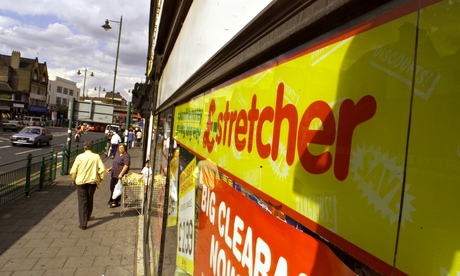
Christo Wiese has made a splash with his buyout of New Look, but the South African retail tycoon has tried to muscle in on the UK’s high streets before – with Poundstretcher discount stores – and failed.
Founded in 1981, Poundstretcher was one of the UK’s first discounters. Today it has 407 stores, but a number of early strategy mis-steps constrained its growth compared with the likes of B&M, Poundland or Poundworld. Managing director Ian York, who is working with current owners Rashid and Aziz Tayub to revive the chain’s fortunes, says that when they took over the business “was in the dark”.
The Tayubs bought into Poundstretcher in 2007, when they took a stake in Brown & Jackson, a quoted company which owned the discount brand and was controlled by Wiese’s Pepkor. Two years later Wiese sold his stake to the brothers.
Since then they have invested more than £50m to revamp its stores and revitalise its product ranges in a bid to compete with its bigger rivals in the fast-growing discount sector that has been causing so many problems for the big supermarkets.
York says getting the right mix is key. Discounters have caught the attention of British shoppers because they have transformed themselves since the 1990s, when Wiese last tried his luck in the UK.
“In those days, discounters were like bazaars or jumble sales inside a shop. The change in retailing in the last two or three years has been ginormous. The recession helped to drive footfall into massive discounters like B&M and Home Bargains. It has made it acceptable for all demographic groups. But when we come out of recession, all those people aren’t going to say ‘let’s go to Waitrose’. It’s now acceptable to want to save money.”
Under the Tayubs, Poundstretcher has dipped in and out of losses but it made £1.3m profit in the year to March 2014. In the year just finished, York says it will “significantly increase” profits after sales rose 12% to £510m. This year it aims for £560m of sales.
“We have an owner who is passionate about the business and hungry to make it grow,” he says. Their aim is to reach 500 stores within 18 months, though there is hot competition for new sites as all Poundstretcher’s rivals are on the expansion trail.
The group is closing almost as many outlets as it is opening as York moves towards larger stores. He wants 12,000-15,000 sq ft sites in which shoppers can be tempted in with 240 PG Tips tea bags for £3.49 or four Twix for £1, then sold a £59.99 double bed or some garden furniture, or a sparkly rug. He has brought in more food and toiletries and developed Pet Hut, a cut-price pet supplies centre, in about 100 stores as he tries to pull in more regular shoppers.
But food and toiletries are the fastest-growing part of the business, now making up half of the chain’s sales and taking up about 12% of its store space, compared with less than 5% a year ago. York says that is helping grab market share from the supermarkets.
The team have to be fast-moving. Striding the floor of Poundstretcher’s Pontefract store, York points out how it has prepared for what looked set to be a warm and sunny weekend: “We’ve got gardening stuff outside, fans near the door, paddling pools in the first aisle. We are reactive to what customers want.”