Britain’s top polling expert has said there is “no doubt” that support for Reform UK is falling after Nigel Farage became embroiled in a row with leading pollster YouGov over claims it underplayed the party’s popularity.
Last week, Mr Farage accused the firm, widely seen as Britain’s most influential political pollster, of being “deceptive” over the way it presented surveys on voting intentions – an accusation which prompted YouGov to agree to publish more data alongside its polling.
The latest YouGov poll, released on Tuesday after the row broke out, found Reform support was up two points to 25 per cent. But Mr Farage insisted the poll was still short of his party’s true backing as he disputed claims that Reform’s support is “on the slide” at a press conference on Tuesday morning.
As the row intensified, Professor Sir John Curtice pointed out that support for the right-wing party appears to be in decline when looking at the average across the polls in the UK. An Ipsos Mori poll, also released on Tuesday, had them dropping two points to 28 per cent.
Meanwhile, in Scotland, a Survation poll for the Scottish Parliament election in a few weeks’ time showed Reform slip to third place behind Labour,2 down two points to 17 per cent, with Labour up two to 18 per cent.
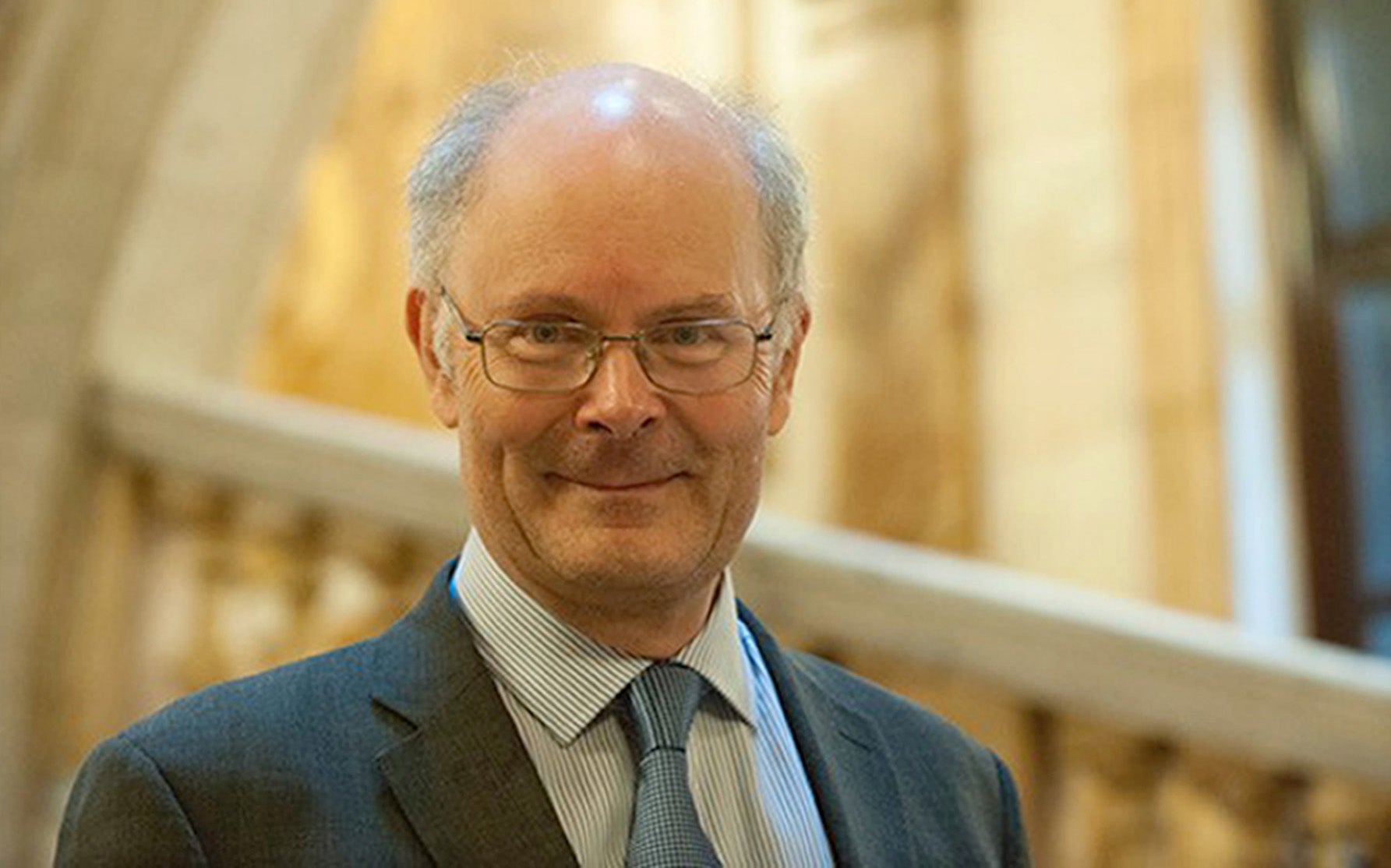
Prof Curtice and other experts noted a two-point average drop for Reform in just a month, well off the peak of more than 30 per cent last year.
He told The Independent: “There is no doubt Reform support is down. The average across 10 pollsters this month is 27, which is down two points on February.”
He added: “So, far as I can see, [they are] finding it more difficult to pick up support from everyone.”
YouGov has placed the party lower than rival pollsters because it questions people on how they are likely to vote in their own constituency rather than which party they favour in general, a method it insists produces more accurate results by taking into account tactical voting.
Speaking at the press conference in Westminster, Mr Farage said: “What was the gold standard of the British polling industry... I see that 90 per cent of its share price has gone which tells you quite a lot about the public’s belief and confidence in their current methodologies.”
Disputing claims Reform is losing support, he went on: “If you look across the six or seven British Polling Council, regular companies, we are up over the course of the last two weeks.
“The May elections last year did lead to a bounce. We came back a bit and are now pretty much where we were seven or eight months ago.”
Reform has put great store in its sense of momentum with a large lead in the polls over a number of months. Any decline undermines its claims it is on course to be the next government.
Conservative media commentator Lord Robert Hayward also noted in his annual pre-local elections state of polling report that Reform’s support is dropping.
He said: “All pollsters are showing Reform percentages in decline. Wikipedia UK general election polling round-up and Politico’s own poll of polls show the same, which unsurprisingly Nigel Farage did not cite as supporting evidence.”
Another leading polling expert, Dr Mark Pack, who runs The Week in Polls substack, came up with a similar conclusion.
He said that there has been a consistent four-point gap between YouGov and other pollsters, but the numbers have gone down from 29 per cent overall average to 27 per cent average.
He said: “Other pollsters may put Reform higher, but the common picture across them all is of Reform slipping in the polls.”
Following the claims made by Mr Farage and Reform, a YouGov spokesman said: “Our headline voting intention figures are based on how people say they will vote in their own constituencies, adjusted for likelihood to vote and don’t knows using MRP [multi-level regression and post-stratification].
“We switched to asking specifically about constituencies prior to the 2024 general election, and our post-election review found this significantly increased our accuracy as it is more effective at picking up tactical voting and how people actually cast their vote.”
Information Commissioner urged to investigate Reform’s energy bills competition
Farage’s plans will spark an EU trade war ‘worse than Trump tariffs’, warns minister
Davey demands ‘new Magna Carta’ to protect Britain from ‘creeps like Trump’
Farage distances himself from Reform MP’s remark about ‘unregulated sexual economy’
Reeves tells AI entrepreneurs to ‘come to the UK’ as she unveils new institute
New £1bn youth unemployment plan ‘will only help a fraction of people out of work’