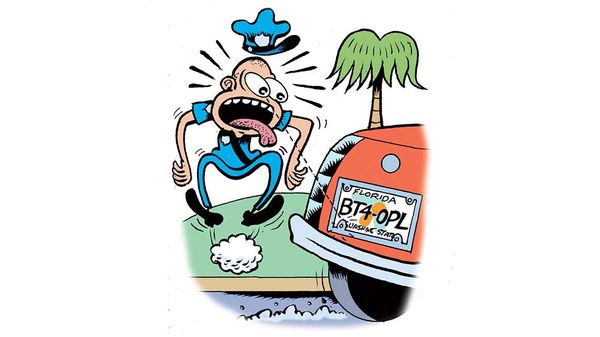
Mixing caffeine with alcohol does not make anyone less drunk. It makes them less able to tell.
The New Jersey Poison Control Center at Rutgers New Jersey Medical School issued that warning ahead of the fall semester, and the timing is deliberate. Diane Calello, the center's executive and medical director, said energy drinks do not make alcohol safer, and that while caffeine may make someone feel more awake, it can hide the warning signs of intoxication and create a false sense of sobriety.
That false confidence is the mechanism of harm. Calello said it can lead people to drink more or to underestimate their impairment, with alcohol poisoning, injuries and other serious harms as the result. The center's own first recommendation is blunt: never mix alcohol with energy drinks.
The Body's Stop Signal Gets Switched Off
The physiology is straightforward once separated into two independent tracks.
Alcohol is a central nervous system depressant. As blood alcohol concentration rises, it produces sedation, slowed reaction time, impaired coordination and drowsiness. Those sensations are unpleasant, and they function as a rough internal gauge. Feeling sleepy and unsteady is how most people know to stop.
Caffeine is a stimulant. It does not metabolize alcohol, speed its clearance from the bloodstream, or restore coordination or judgment. FDA's own review of the combination concluded that caffeine consumed with alcohol can lower perceived intoxication, potentially allowing people to drink longer and consume more, while blood and breath alcohol concentrations remain unaffected, making risky behavior such as driving more likely.
The result is a state the FDA commissioner at the time described as wide-awake drunk. A person feels alert while their blood alcohol keeps climbing and their motor skills and decision-making keep deteriorating.
This is not a new observation. On November 17, 2010, the FDA sent warning letters to four manufacturers covering seven caffeinated alcoholic malt beverages, declaring the added caffeine an unsafe food additive and raising the prospect of seizure. The Alcohol and Tobacco Tax and Trade Bureau followed the next day, and the products were reformulated or pulled. The prepackaged versions went away. The practice of mixing the two did not.
The Downstream Risks Named by the Poison Center
The center listed the harms that follow, and two of them get less attention than they should.
Greater risk of alcohol poisoning and overdose comes first, because the volume consumed is higher. Increased likelihood of accidents, impaired driving, and other alcohol-related harms follows. But the center also flagged dangerous heart effects, including irregular heartbeat and high blood pressure, and sleep disruption with severe dehydration. Combining a large caffeine load with heavy alcohol intake stresses the cardiovascular system from two directions at once.
Binge drinking is the pattern that carries the most risk. Federal guidance defines it as a pattern bringing blood alcohol to 0.08 percent or higher, roughly five or more drinks for men or four or more for women in about two hours, and identifies teenagers and young adults as being at particular risk of overdose.
Alcohol Poisoning Signs and When to Call
This is the section worth remembering, because alcohol poisoning is frequently mistaken for someone simply needing to sleep it off.
Federal guidance lists the symptoms as mental confusion, difficulty remaining conscious, vomiting, seizure, trouble breathing, slow heart rate, clammy skin, dulled responses such as loss of the gag reflex that prevents choking, and extremely low body temperature. An overdose occurs when so much alcohol is in the bloodstream that the brain areas controlling breathing, heart rate, and temperature begin to shut down, and it can cause permanent brain damage or death.
Someone who has passed out after heavy drinking is not safe. Blood alcohol can continue to rise after the last drink as alcohol already in the stomach is absorbed, and a suppressed gag reflex means vomiting while unconscious carries a risk of choking.
Call 911 if any of those signs are present, and the poison center specifically names trouble breathing, difficulty waking, and seizures as reasons to call. While waiting, keep the person on their side rather than on their back, do not leave them alone, and do not attempt to give them coffee, a cold shower or food. None of those lowers blood alcohol, and the coffee reintroduces the exact masking problem that created the situation.
Most states have medical amnesty or Good Samaritan provisions that protect people who call for help in alcohol emergencies from certain penalties. Fear of getting in trouble is a common reason calls are delayed, and delay is what turns a survivable situation into a fatal one.
Practical Steps Before the Semester Starts
For students and parents, the useful guidance is specific rather than moralizing.
Know what is actually in a drink. Energy drink caffeine content varies widely per can, and premixed cocktails, coffee liqueurs, and caffeinated seltzers may combine both without an obvious label cue. Alternating with water and eating beforehand slows absorption but does not offset the masking effect.
Agree in advance with friends on who is checking on whom, and treat any friend who cannot be woken as a medical emergency rather than a joke. The poison center's second piece of advice is exactly that: watch for friends who may be over-intoxicated and call for help immediately.
Save the Poison Help line, 1-800-222-1222, in your phone. Specialists are available around the clock and provide free, confidential guidance, including for questions that fall short of an emergency, and the New Jersey center also offers online chat.
People taking stimulant medication for ADHD, those with heart rhythm disorders or a history of seizures, and anyone on medications that interact with alcohol face additional risk from this combination and should raise it with a clinician or pharmacist.
Anyone who finds their drinking difficult to control, or who is drinking to manage anxiety about starting school, is describing something worth discussing with a campus health service or a clinician. This is a sensitive topic, and support is available.
MedicalDaily will continue covering campus health guidance through the start of the academic year.
Frequently Asked Questions
Does caffeine sober you up? No. It does not lower blood alcohol concentration, speed alcohol metabolism or restore coordination and judgment.
Why is the combination dangerous? Caffeine suppresses the drowsiness that signals impairment, so people drink more and misjudge how impaired they are.
Were these drinks not banned? FDA warned four manufacturers in 2010 that the added caffeine was an unsafe food additive, and prepackaged versions left the market. Mixing the two remains common.
What are the signs of alcohol poisoning? Mental confusion, difficulty staying conscious, vomiting, seizure, trouble breathing, slow heart rate, clammy skin, and very low body temperature.
What should I do if a friend passes out drinking? Call 911, keep them on their side, and stay with them. Do not give coffee, food or a cold shower.
Will calling for help get us in trouble? Many states have medical amnesty provisions protecting people who call for help. Check your state and campus policy in advance.
Who can I call with a question? The Poison Help line at 1-800-222-1222, available 24 hours a day and free of charge.