
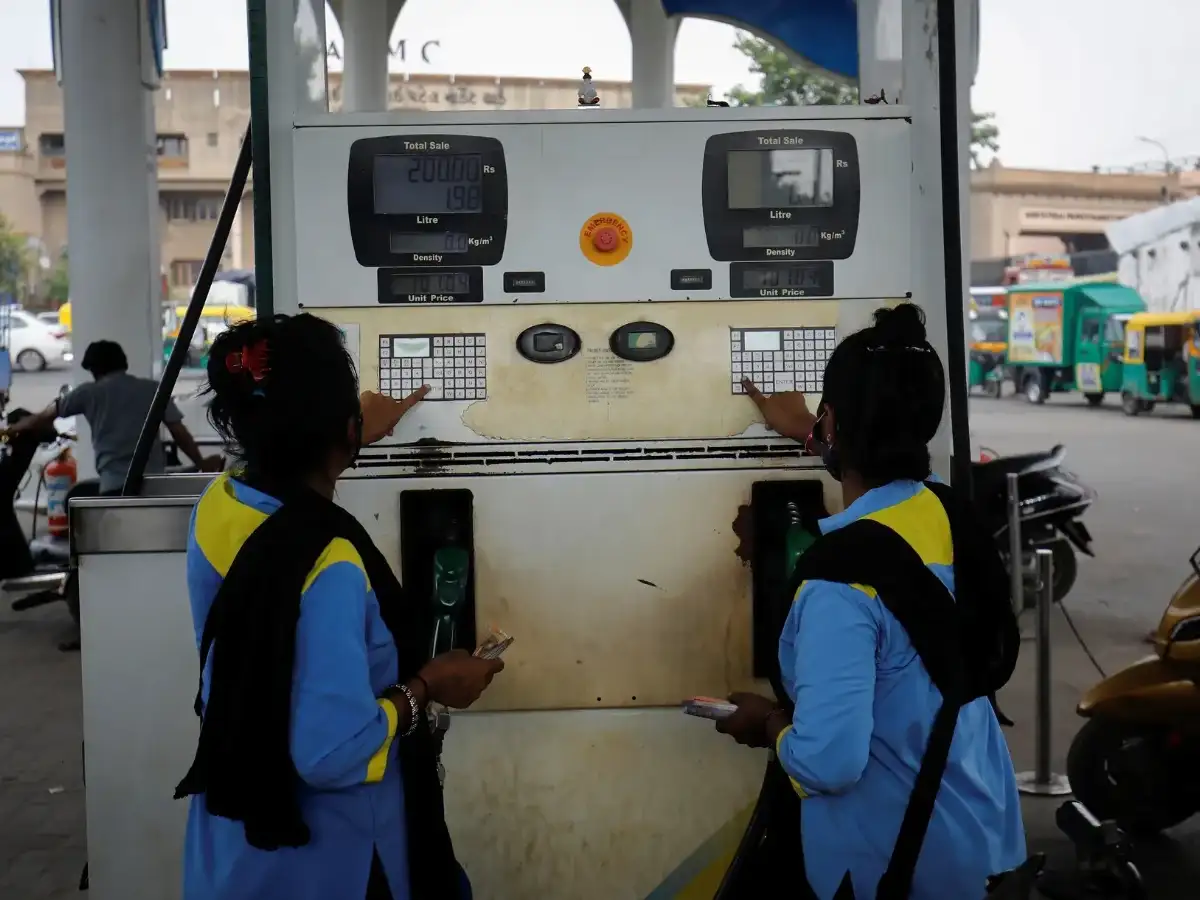
India on Friday raised petrol and diesel prices by around Rs 3 per litre, marking the first fuel price hike in over four years, as state-run oil marketing companies moved to offset mounting losses from soaring global crude prices amid the escalating West Asia conflict.
In Delhi, petrol prices increased by Rs 3.14 per litre to Rs 97.77, while diesel prices rose by Rs 3.11 to Rs 90.67 per litre. Similar increases were seen across metros and other cities as crude oil prices remained elevated following disruptions around the Strait of Hormuz, a key global energy shipping route.
Also Read: Petrol Diesel Price Hike: Fuel prices raised by up to Rs 3/litre
Economists and market experts said the increase was widely expected given the sharp rise in global crude oil prices and pressure on oil marketing companies’ margins. While the immediate inflationary impact may remain moderate, they warned that higher transportation and logistics costs could gradually push up prices of goods and services and weigh on household budgets. Some also noted that the move reflects the government’s attempt to manage subsidy burdens and protect foreign exchange reserves amid heightened geopolitical uncertainty.
Radhika Rao, Senior Economist & Executive Director, DBS Bank
“India raised fuel prices on Friday morning, with petrol and diesel prices up around INR 3/litre… This was a long-anticipated move in light of the sharp rally in global crude prices and rising burden of these costs on domestic oil marketing companies as well as the fiscal books.”
“Given the weightage of petrol and diesel in the CPI basket, a ~3-5% increase likely adds ~15-25bp to the headline inflation, besides second round impact.”
Debopam Chaudhuri, Chief Economist, Piramal Finance
Even before the recent retail fuel price hike, April’s wholesale price data was already showing sharp inflationary pressures across crude derivatives and petrochemical products, said Debopam Chaudhuri, Chief Economist at Piramal Finance. He noted that key petrochemicals such as bitumen and naphtha saw price increases of 40–80%, while hydrocarbon-linked products like polyethylene and synthetic fibres rose nearly 10%, with higher diesel-linked logistics costs likely to transmit further into downstream industries and retail prices.
He said these input cost pressures could push retail inflation higher over the next few months. “I expect meaningful upside risks to retail inflation over the next three months, with headline inflation potentially moving closer to the 5% mark if current energy prices persist,” Chaudhuri said, adding that elevated wholesale inflation signals a steadily building cost-push environment across the economy.
Ajit Mishra, SVP – Research, Religare Broking Ltd
“The sharp increase in petrol, diesel, and CNG prices reflects the direct impact of the escalating West Asia energy crisis and supply disruptions around the Strait of Hormuz.”
“Higher transportation and logistics costs could gradually push up prices of essential goods and services, increasing the burden on household budgets and raising overall cost-of-living concerns in the near term.”
Jateen Trivedi, VP Research Analyst – Commodity and Currency, LKP Securities
“The ₹3 hike in petrol and diesel prices reflects the pressure of elevated global crude oil prices and rising import costs on the government’s fiscal position.”
“While the increase may temporarily add to inflation concerns and impact transportation and consumption costs, it also indicates the government’s focus on managing fuel subsidies and protecting forex reserves amid ongoing global uncertainty.”









.jpg?w=600)




