The world has shifted from an era of seamless globalisation to a period of significant disruptions characterised by fragmented supply chains, geopolitical tensions and growing concerns about climate change.
Amid these challenges, PepsiCo, the world's second-largest food and beverage company, has developed a resilient business model to withstand the shocks of a volatile global landscape.
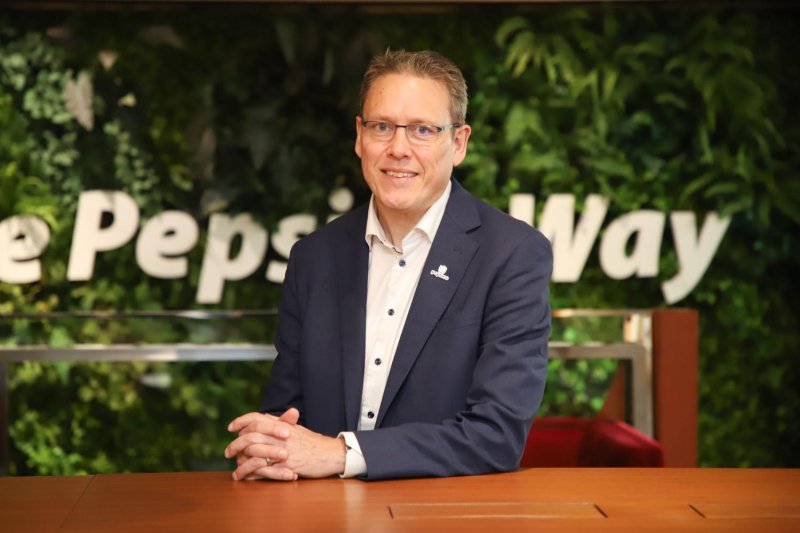
"Despite evolving challenges such as geopolitical uncertainty, supply chain disruptions and changing consumer expectations, our business model remains highly resilient. Our business is rooted in agriculture, which supplies our raw materials, and we own prominent global brands with highly localised production," said Stephen Kehoe, executive vice-president and chief corporate affairs officer at PepsiCo.
He noted that Thailand serves as a successful example of the company's broader strategy in action.
LOCAL-FIRST STRATEGY
At the heart of PepsiCo's resilience is a strategic shift away from cross-border interdependency. Today, most of the company's potatoes are sourced locally in the markets where its products are sold. For example, the company sources 60% of the potatoes used for Lay's production in Thailand from Thai farmers.
As potato production in Thailand is limited, despite agricultural produce being important to the supply chain, PepsiCo collaborates with about 4,800 local farmers who cultivate potatoes that meet its highest quality standards.
Mr Kehoe said this approach enables the company to cope with the rising costs and logistical uncertainties of moving goods across international borders.
"Potatoes are not native to the region, and cultivating them requires extraordinary precision. Growing potatoes for Lay's is a dedicated and delicate task because the company requires specific varieties that meet high global quality standards. To achieve this, PepsiCo's agricultural teams act as coaches, guiding local farmers on the unique needs of the crop," he said.
To increase local production, the company is deploying cutting-edge technology and artificial intelligence solutions on Thai farms to further support local farmers. These advancements enable the monitoring of pests, optimise water usage and help manage drought conditions.
"By implementing these tools on farms of all sizes, we empower farmers to boost yields and maintain high crop quality," Mr Kehoe said.
PepsiCo has also collaborated with the public sector, including the Agriculture and Cooperatives Ministry, to drive agricultural efficiency in the country by sharing best practices from its global operations.
More broadly, the company sources around 30 major crops across 60 markets globally, reflecting the scale of its agricultural supply chain.
SAVVY CONSUMERS
Mr Kehoe emphasised that Asia-Pacific, and Thailand in particular, represents a significant opportunity for PepsiCo, driven by a large and increasingly sophisticated consumer base.
Taste remains a key and non-negotiable aspect of the consumer experience. According to a 2025 Food Industry Asia report entitled Understand the Consumer Mindset: Preferences, Trust & Expectations to Shape Reformulation Policies, nutritional content and taste were the joint top factors influencing food purchase decisions in Southeast Asia, each cited by 76% of consumers.
"This highlights a growing demand for products that deliver both enjoyment and nutritional value," he said, adding that the company found Thai consumers demand a balance of great taste, convenience and health-conscious options.
The company has continuously innovated and adapted its product portfolio to meet changing consumer needs while upholding its commitment to taste, convenience and value.
Mr Kehoe said PepsiCo's R&D team excels at replicating complex local flavours in snack form. By introducing iconic Thai tastes such as Miang Kham and Hot Chilli Squid into its chip offerings, the company leverages its global scale to celebrate local culture.
In response to wellness trends, the company continues to expand consumer choice through product reformulation, innovations containing positive nutrients such as whole grains, fibre and protein, and a broader range of food and beverage options designed to meet evolving consumer preferences. The Quaker Oats brand plays a key role in this regional strategy, catering to growing consumer interest in gut health, he said.
SUSTAINABILITY
According to Kantar Global Monitor 2025, more than 60% of people say trust and transparency are important, while a similar proportion believe businesses play an important role in addressing environmental challenges, reflecting rising expectations for clear and measurable progress.
PepsiCo embeds sustainability into its core business strategy through PepsiCo Positive (pep+), integrating it throughout the value chain, from agriculture and sourcing to manufacturing, packaging and distribution, rather than treating it as a standalone initiative.
"Pep+ is viewed as an end-to-end transformation of the supply chain, what we call a 'Seed to Smile' journey," Mr Kehoe said.
This strategy is built around three key pillars: positive agriculture, which promotes regenerative farming practices; positive value chain, which targets net-zero emissions and efficient water use across manufacturing and distribution operations; and positive choices, which focuses on reformulating products to offer healthier options while preserving the taste and quality consumers expect.
Mr Kehoe said that while the impact of sustainability varies by market, it is increasingly seen as a driver of business resilience, operational efficiency and stakeholder trust.
The company recently announced that it has worked with farmers to expand regenerative agriculture, through restorative and protective practices, to 4.7 million acres globally, representing significant progress towards its goal of reaching 10 million acres by 2030. This effort supports healthier soils, stronger crop yields and a more resilient food system that benefits both farmers and the business.
Actions such as improving water-use efficiency, strengthening supply chains and reducing waste support environmental goals while reinforcing the business's strength and adaptability.
"Efficiencies gained through reduced resource use create a virtuous circle, enabling savings to be reinvested in innovation, marketing and employees," he said.
STRATEGIC INVESTMENT
PepsiCo continues to invest in innovation, localised product development, portfolio transformation and supply chain resilience.
"We continue to expand consumer choice through initiatives such as zero-sugar beverage options, product reformulation and innovations that reflect local tastes and different consumption occasions, while aiming to maintain the taste and experience consumers expect," said Mr Kehoe.
Despite global challenges such as inflation and geopolitical conflicts, PepsiCo remains committed to its long-term growth in Thailand.
"Our goal is to continue delivering products consumers enjoy while building a more resilient, efficient and adaptable business for the long term," he said.