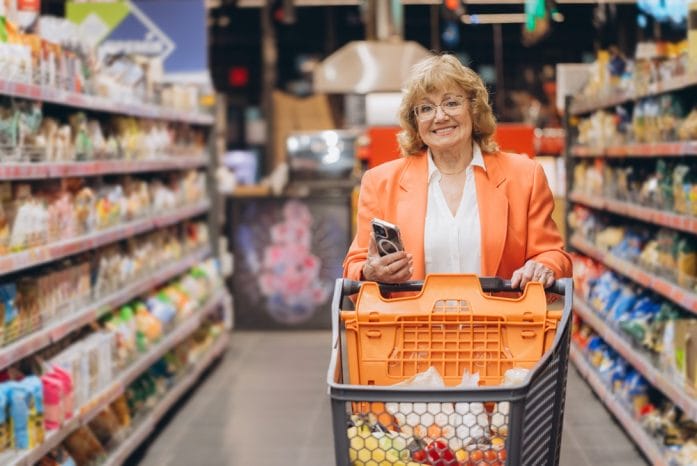
Inflation may have cooled on paper, but plenty of Pennsylvania seniors still stare at grocery receipts with disbelief. Eggs no longer jump in price every week, and milk prices no longer dominate headlines, yet retirees across the state continue to spend far more at checkout than they did just a few years ago. Many seniors say the biggest frustration comes from the disconnect between economic reports and everyday reality. Headlines celebrate “slower inflation,” but shoppers still pay premium prices for basic staples like bread, chicken, cereal, and fresh produce.
That gap creates real stress for retirees who rely on fixed incomes. Social Security checks only stretch so far when grocery totals climb past expectations week after week. A senior in Pittsburgh might budget $100 for a weekly trip and still walk out spending $140 without buying anything extravagant. Pennsylvania residents from Erie to Philadelphia continue to report sticker shock in discount stores, warehouse clubs, and neighborhood supermarkets alike..
Fixed Incomes Leave Little Room for Surprise Expenses
Retirement budgeting depends heavily on predictability, and grocery inflation shattered that stability for many older adults. Seniors often structure monthly expenses carefully around housing, medication, utilities, and food, leaving little flexibility when one category suddenly spikes. Even modest price increases create problems because retirees cannot easily pick up extra shifts or increase earnings to compensate. Every additional dollar spent on groceries forces difficult decisions somewhere else in the budget.
Many Pennsylvania seniors now adjust shopping habits in ways they never expected. Some skip favorite snacks, switch to cheaper cuts of meat, or reduce fresh fruit purchases because prices remain stubbornly high. Others visit multiple stores searching for better deals, burning gas and energy in the process. A retired couple in Scranton may spend an entire afternoon chasing weekly specials just to stay within budget. Those strategies help temporarily, but they also reveal how deeply grocery costs continue to affect daily life for older Americans.
Shrinkflation Keeps Quietly Draining Wallets
Price tags tell only part of the story because shrinkflation continues to frustrate shoppers nationwide. Many grocery products now contain smaller portions while maintaining nearly identical prices, creating the illusion of stability. Seniors notice cereal boxes thinning out, snack bags carrying more air than chips, and frozen meals shrinking despite higher costs. Pennsylvania shoppers especially complain about paying more while bringing home less food each week.
That trend hits retirees particularly hard because many depend on familiar brands and consistent meal planning. A smaller container of coffee or yogurt may seem insignificant at first glance, but repeated reductions quickly add up across an entire shopping cart. Seniors who carefully compare prices often spot the changes immediately, which fuels skepticism about claims that inflation has eased. Grocery companies may avoid dramatic sticker increases, but many consumers still feel squeezed every time manufacturers quietly reduce package sizes. The result leaves retirees feeling like the rules of budgeting keep changing without warning.

Healthy Foods Continue to Cost a Premium
Many older adults face another frustrating reality inside Pennsylvania grocery stores: healthier foods often carry the highest price tags. Fresh vegetables, lean meats, seafood, and low-sodium products routinely cost more than processed alternatives. Seniors managing diabetes, heart disease, or high blood pressure cannot simply switch to cheap instant noodles and canned pasta without risking health consequences. Medical needs force many retirees to spend extra on groceries even when budgets tighten.
That pressure creates a painful balancing act between nutrition and affordability. A retiree in Harrisburg may want fresh berries, spinach, and salmon for healthier meals but settle for cheaper processed foods after seeing the total at checkout. Doctors encourage seniors to eat balanced diets rich in protein and produce, yet grocery prices make those recommendations harder to follow consistently. Pennsylvania food banks and senior centers report rising demand partly because older adults struggle to afford nutritious staples. Grocery inflation therefore affects more than convenience; it also shapes long-term health outcomes for retirees living on limited incomes.
Coupons and Discounts No Longer Deliver the Same Relief
Coupon clipping once offered reliable savings for retirees trying to stretch every dollar. Today, many Pennsylvania seniors say discounts no longer provide the dramatic relief they enjoyed years ago. Digital coupons often require smartphones, apps, or online accounts that some older adults dislike navigating. Even when shoppers successfully apply discounts, the final totals still frequently exceed expectations because base prices remain elevated.
Store loyalty programs create another source of frustration for seniors who prefer straightforward pricing. Some retirees feel stores deliberately complicate savings by forcing customers into digital ecosystems filled with rotating deals and limited-time promotions. A shopper in Allentown might discover a sale price only applies through an app or requires purchasing multiple items upfront. Those hurdles make grocery shopping feel more exhausting than rewarding. Many seniors continue hunting for bargains, but fewer believe coupons alone can offset the dramatic increase in food costs since 2021.
Pennsylvania Seniors Continue Searching for Financial Breathing Room
Despite ongoing frustrations, many Pennsylvania retirees continue finding creative ways to adapt. Community meal programs, warehouse shopping groups, senior discount days, and bulk cooking strategies help stretch grocery budgets further than before. Some older adults now swap recipes focused on affordable ingredients like beans, rice, soups, and casseroles. Others grow herbs and vegetables during warmer months to offset produce costs. These efforts demonstrate resilience, but they also highlight how much work seniors must now put into simply managing food expenses.
What changes have you noticed at the grocery store lately, and do you think prices will finally start coming down anytime soon? Share your shopping stories below in the comments.
You May Also Like…
Why Do Families Spend More on Pets Than Groceries
7 Groceries You Should Always Buy Generic—And 3 You Shouldn’t
Why More Americans Are Delaying Retirement as Medicare Premiums Approach $200 Per Month
North Carolina Retirees Are Filing for Social Security Earlier as Insolvency Fears Grow
California Seniors Face Insurance Renewal Shock as Housing and Utility Costs Continue Climbing
The post Pennsylvania Seniors Say Grocery Bills Still Haven’t Dropped Despite Slower Inflation appeared first on The Free Financial Advisor.