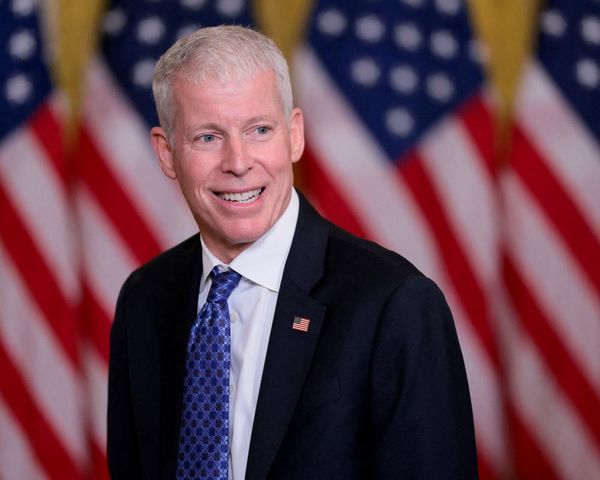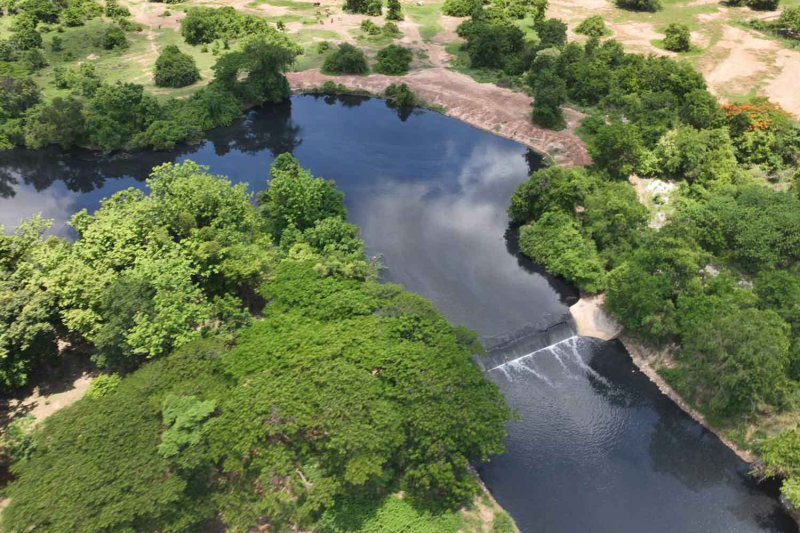
Closer inter-agency cooperation is needed to trace the source of illegal waste discharges after the Takhe canal in Saraburi turned black, says the Pollution Control Department.
Laboratory testing alone cannot identify those responsible, department chief Surin Worakijthamrong told a recent briefing.
Chemical analysis and field sampling are being used together to investigate the pollution, though neither method is sufficient on its own to trace responsibility to specific operators, he added.
Officials collected air and water samples from the canal in Muang district, dividing the area into three monitoring zones to assess pollution patterns and possible sources.
Zone A covers areas near industrial facilities, Zone B includes nearby communities such as Suankularb Wittayalai School, and Zone C is near a pumping station serving the local waterworks system.
Mr Surin said preliminary tests found unusually high electrical conductivity (EC) levels in Zone A, ranging from 700 to 2,000 microsiemens per centimetre, well above the normal range of 200 to 500.
He said elevated EC readings combined with the presence of volatile organic compounds (VOCs) pointed to a likely industrial source, as such substances are not normally found under natural conditions.
However, he said the findings could only indicate the type of pollution and not identify a specific facility.
Lower dissolved oxygen levels were recorded in Zone B, reflecting deteriorating water quality affecting nearby communities, while no EC or VOC contamination was detected in Zone C.
Authorities are awaiting results from 23 laboratory parameters, including 18 heavy metals, VOCs and other chemical indicators. The findings, expected within seven days, are intended to help narrow the investigation.
Mr Surin said agricultural activity was considered an unlikely source of the contamination.
"We cannot yet determine the exact source of the pollution, but agricultural activity appears highly unlikely. Heavy metal analysis may help identify the type of industrial activity involved, though it may not be enough to pinpoint the plant responsible.
"We will seek further cooperation from the Geo-Informatics and Space Technology Development Agency and the Synchrotron Light Research Institute to gather more evidence," he said.
Even if test results indicate industrial contamination, further coordination would still be needed to trace discharge routes and verify the exact source.
At least nine industrial facilities near the canal have already been inspected.
Most of the sites are involved in waste recycling and landfill management, sectors under scrutiny as possible contributors. Investigators are considering both illegal factory discharges and improper waste dumping.
Officials said the complexity of the canal system, combined with multiple potential sources, meant laboratory data alone could not establish responsibility and would need to be combined with field inspections and inter-agency analysis.
"We will do our best to identify those responsible and pursue legal action in response to public concern. If laboratory findings match the activities of a particular plant, we may be able to narrow the investigation. Otherwise, we will continue using other methods," he said.
Concern has grown after images of the blackened canal spread widely on social media. Residents said pollution has persisted for years, with recurring foul odours and worsening conditions during the rainy season, when contaminated sediment spreads through the canal system.
The department said monitoring has been ongoing since 2023, with findings regularly shared with local authorities.
A provincial committee has been set up to coordinate enforcement and strengthen cooperation.