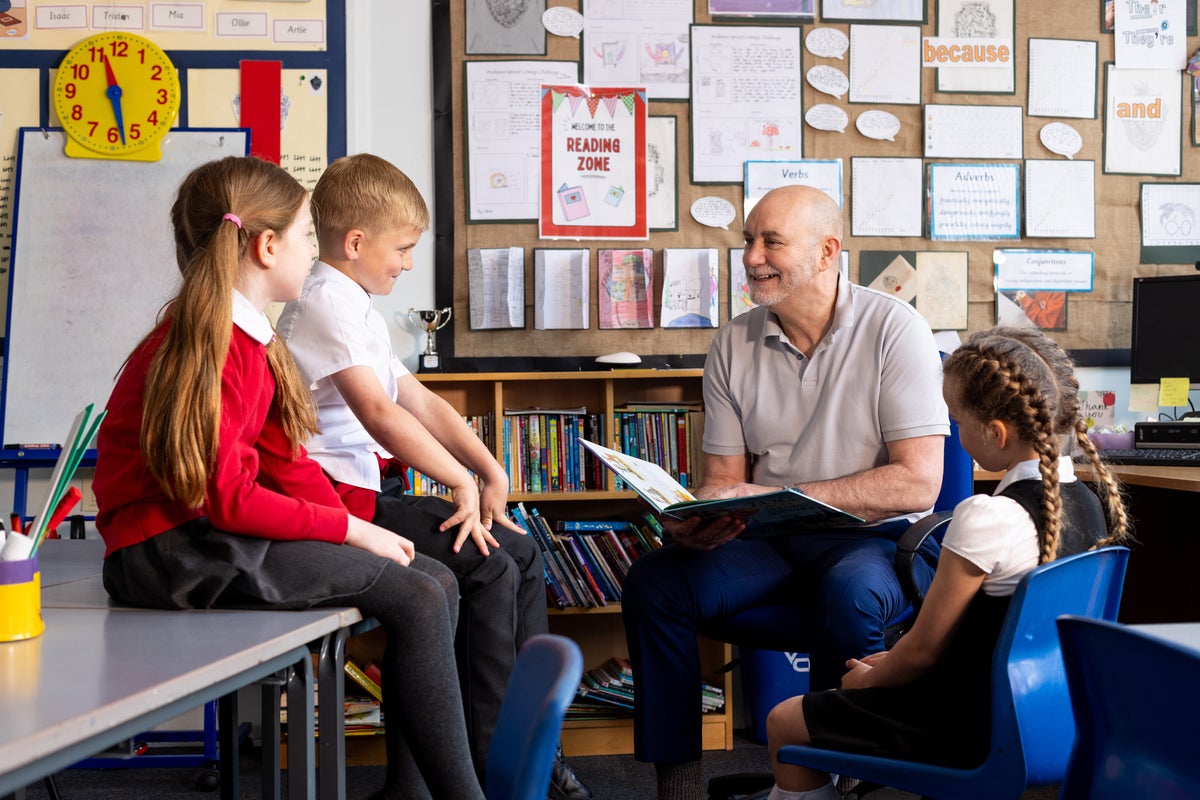
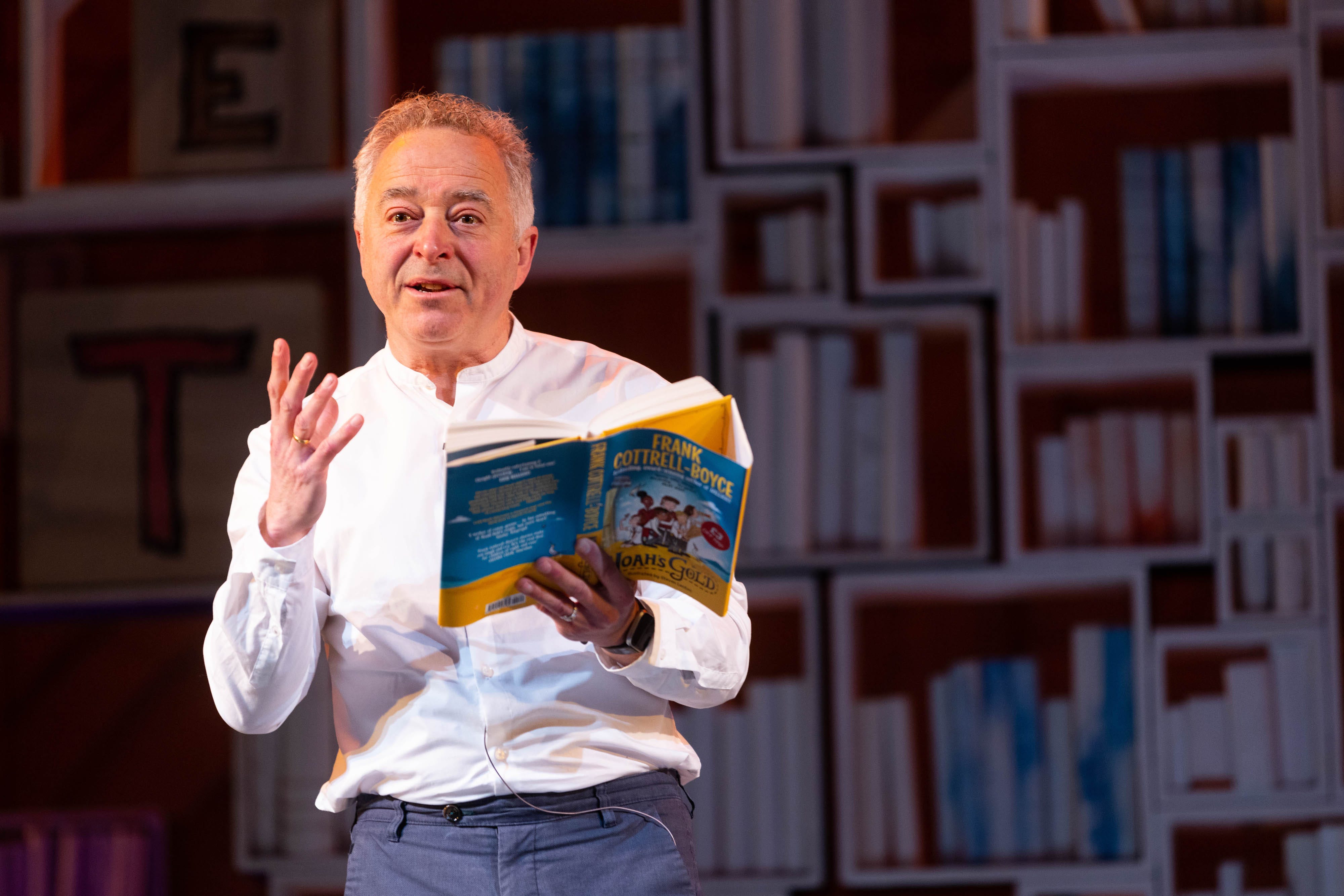
Children who arrive at school without having been read to at home are starting their education as "second-class citizens", the children’s laureate has warned.
Frank Cottrell-Boyce, a celebrated children’s author and screenwriter, told headteachers at the Association of School and College Leaders’ (ASCL) annual conference that nearly half of all children are beginning school at a "massive disadvantage" due to this lack of early exposure to books.
"Close now to 50% of our children are arriving at school without having been read to, and that means they’re arriving at school at a massive disadvantage," Mr Cottrell-Boyce stated. "They’re basically arriving at school as second-class citizens."
He elaborated on the "massive, invisible privilege" enjoyed by children whose first experience with a book is a shared moment with a loved one.
Conversely, he noted: "If your first experience of a book is being given this piece of tech and being told to decode it, then that’s going to be really, really difficult."
This stark assessment comes as recent data highlights a growing disconnect between children and traditional reading.
More than one in four teachers reported to early years charity Kindred Squared this year that children are starting school unable to use physical books correctly, attempting to swipe or tap them like digital devices.
Furthermore, the National Literacy Trust found that only one in three young people aged eight to 18 now read in their spare time.
In response, the Government has launched its National Year of Reading campaign, urging parents to foster a love of reading. Education Secretary Bridget Phillipson is encouraging families to dedicate just 10 minutes daily to reading together.
The Education Select Committee has also initiated an inquiry into the apparent generational decline in reading for pleasure, and new government guidance on screen time for children under five is expected.
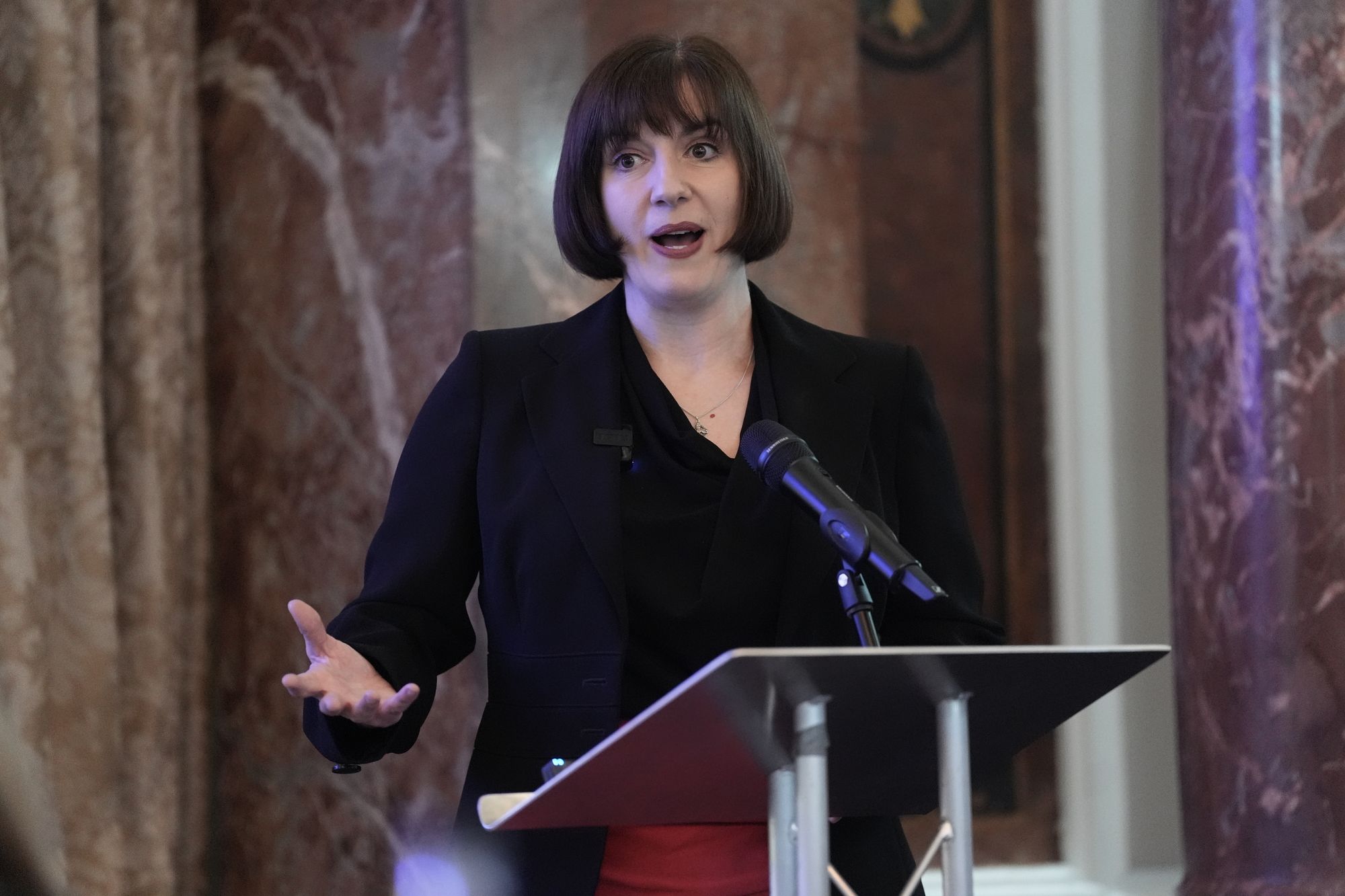
Mr Cottrell-Boyce also told headteachers that "something’s happened to childhood”, leading to educators spending significant time supporting pupils who are unprepared for school, often due to family poverty.
He attributed the exhaustion felt by teachers to "systemic social injustice," arguing that austerity measures have decimated crucial support structures like family hubs, Sure Start centres, libraries, and youth clubs, leaving schools to "make up the gap."
Unions have consistently highlighted that schools are increasingly providing support for pupils and families beyond education, addressing issues such as housing, food insecurity, and access to essential services.
To address these wider challenges, the Government is funding new Best Start family hubs and free breakfast clubs in primary schools.
Speaking at the same conference, Ms Phillipson pledged to build "a village around the child”, with schools serving as the "beating heart of that support”, and highlighted the decision to scrap the two-child benefit cap.
Migrants suspected of working illegally as delivery riders arrested in raid
Swinney to pledge end to ‘rent trap’ with £10,000 first time deposit support
Calls for AI toy regulations over fears for children’s ‘psychological safety’
Why women like me end up paying more for their student loan than men
Dame Prue Leith explains why cooking should be taught in schools