A Florida couple alleges their dream of becoming parents through In Vitro Fertilization (IVF) turned into a devastating legal and emotional nightmare after they discovered the baby they carried and delivered was not biologically theirs.
According to reports from the Orlando Sentinel, the pair filed a lawsuit on January 22 in Orange County Circuit Court against a fertility clinic that allegedly implanted the wrong embryo.
The case has sparked intense online debate, with reactions ranging from disbelief and accusations of infidelity to dark humor and outrage over the IVF industry’s safeguards.
A Florida couple sued an IVF clinic after discovering a devastating IVF mix-up
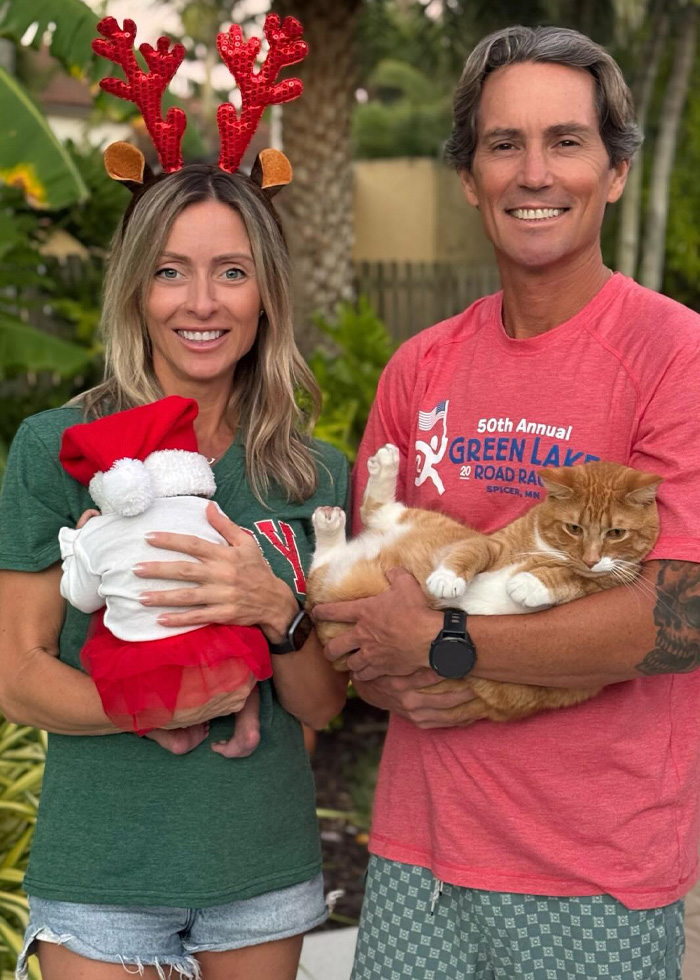
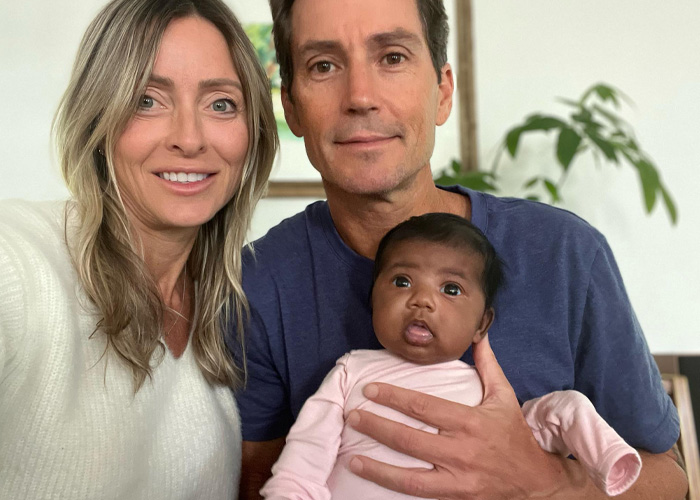
According to the lawsuit, Tiffany Score and Steve Mills turned to IVF in 2020, storing three viable embryos at a Florida clinic they trusted to safeguard their future family.
In April 2025, one embryo was implanted, and the couple welcomed a baby girl on December 11, 2025.
Almost immediately, the couple claimed something felt wrong. Both parents are white; however, the baby “displayed the physical appearance of a racially non-Caucasian child.”
Furthermore, genetic testing later confirmed that the baby had no biological connection to either parent.
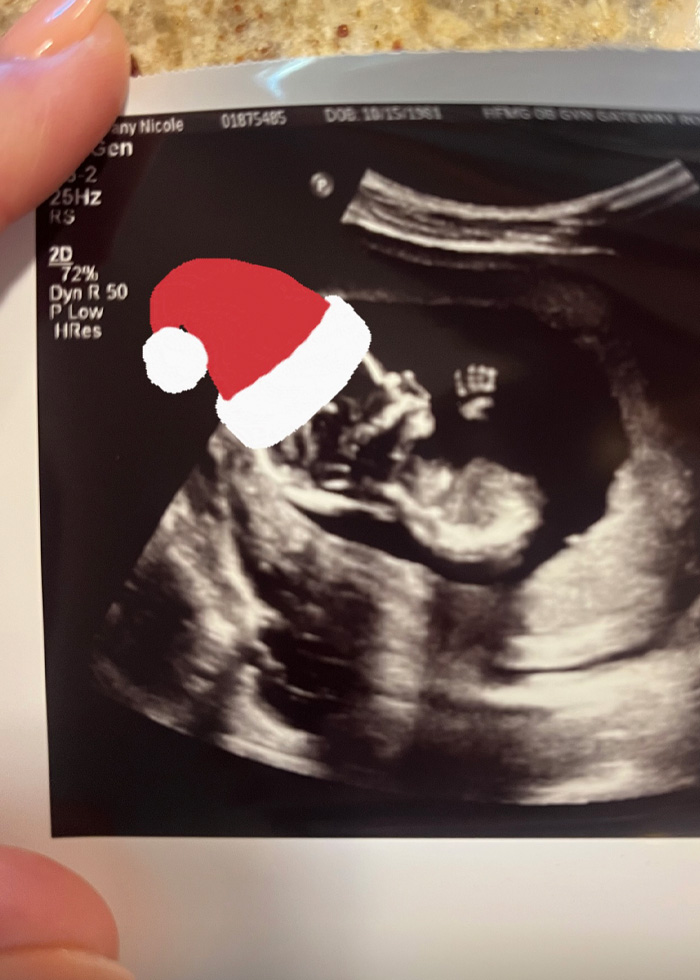

Their attorney, John Scarola, said the emotional fallout has been immense.
“They have fallen in love with this child. They would be thrilled to raise her — but their concern is that this is someone else’s child, and someone could show up at any time and take her away.”
The couple further fears that their own embryo may have been implanted into another patient, meaning their biological child could be out there somewhere with another family.
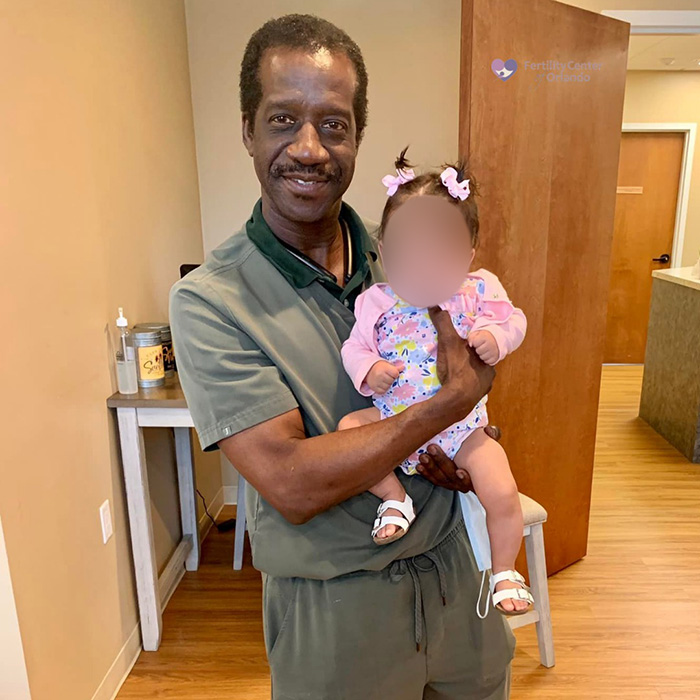
At the center of the lawsuit has been the head reproductive endocrinologist, Dr. Milton McNichol

The lawsuit names IVF Life and Dr. Milton McNichol, the clinic’s head reproductive endocrinologist, alleging the mix-up could have occurred either when embryos were stored years earlier or during the 2025 implantation process.
McNichol is one of Orlando’s best-known fertility doctors and has received multiple patient-choice and compassionate-care awards over the years.
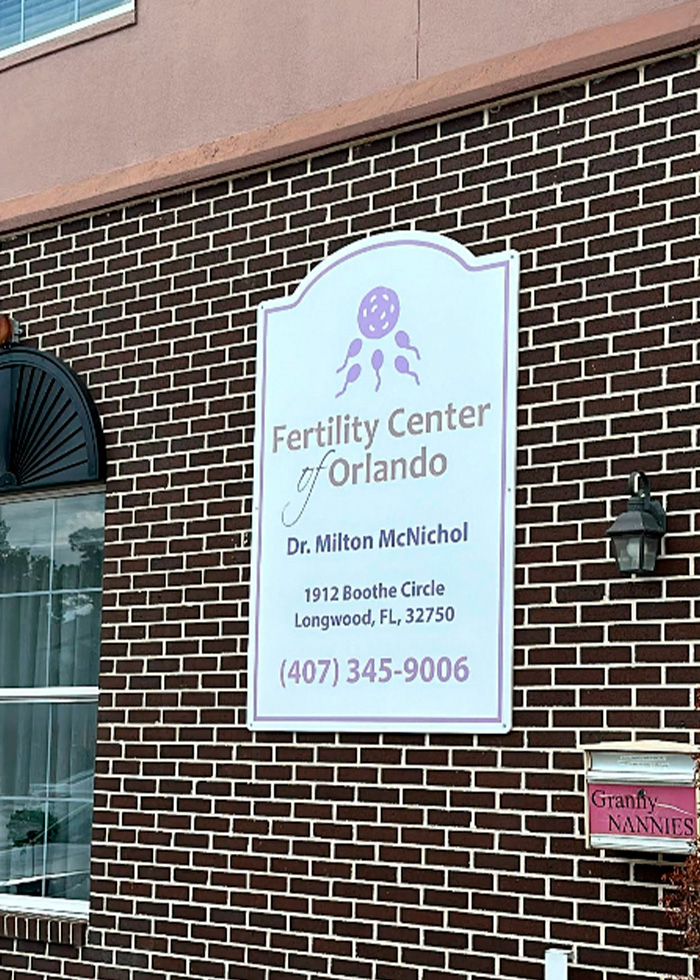


However, court filings reveal the clinic was previously cited by Florida’s Board of Medicine for equipment and risk-management issues, resulting in a $5,000 fine in 2024.
In a since-deleted statement, the clinic said it was “actively cooperating with an investigation to support one of our patients in determining the source of an error that resulted in the birth of a child who is not genetically related to them.”
An emergency hearing was held on January 28 before Judge Margaret Schreiber, where Scarola slammed the clinic for the “horrendous error.”
In response, Schreiber noted, “There’s not a lot of Florida law for you all to reach a resolution that will provide the answers that the plaintiffs in this case are seeking, and the protections that the defendants are wanting to ensure remain in place for their clients.”
As the legal process unfolds, the baby remains in the care of Score and Mills.
As the news of the lawsuit spread, social media reactions spiraled from shock to dark humor
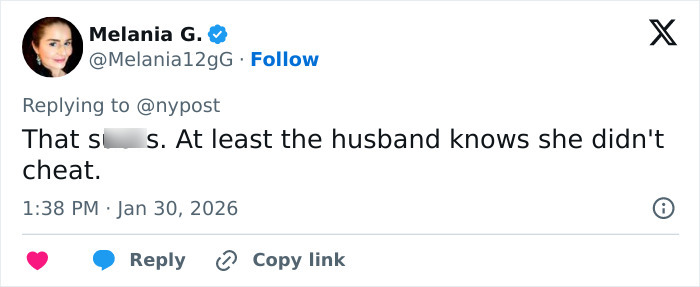
Detractors online immediately jumped to baseless speculation about the mother’s infidelity, with one saying, “Clever plan by the wife to cover her cheating.”
Another wrote, “Who’s gonna tell him?” and “Can we get a picture of the wife’s personal trainer?”
Others mocked the situation with gallows humor, calling it a “sitcom plot,” “an SNL sketch waiting to happen,” and “what happens when you select ‘Surprise Me’ at checkout.”
At the same time, many commenters pushed back hard against those narratives.
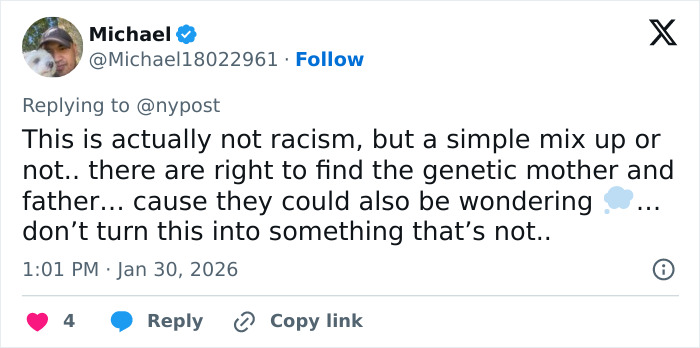
“This isn’t racism or cheating — it’s about finding the genetic parents,” one person wrote. “They have a right to know what happened.”
Another added that both families involved could be living in fear, not knowing the truth about their children.
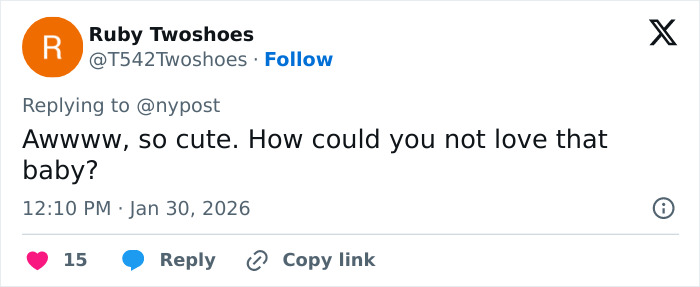
Amid the noise, one comment captured the parents’ heartbreak, adding, “That baby is cute, and they’ve already bonded with her. It’s going to be devastating if they have to give her up.”
The Florida case is far from isolated, as IVF mix-ups are common and carry enormous consequences

A 2024 global review of IVF-related legal cases found that specimen mix-ups account for the vast majority of serious IVF incidents worldwide.
While the overall error rate remains low compared to the number of procedures performed, when failures do occur, the emotional, financial, and ethical fallout is immense.
According to a Legal Case Study of Severe IVF Incidents Worldwide by NAPGO, “many IVF clinics still rely on handwritten labels, paper ledgers/Excel spreadsheets, and manual monitoring of cryostorage conditions, which creates room for catastrophic mistakes.
These findings echo earlier incidents, including a case reported by Bored Panda, where a mother in China questioned an IVF clinic after seeing a missing child who looked like her own daughter, only to later learn the resemblance was coincidental.
Beyond the lawsuit, the case has reopened broader ethical debates about assisted reproduction.
Even critics of IVF seized on the story, alleging that the industry lacks sufficient oversight.
“The IVF industry has no universal ethical standards beyond profits,” one commenter claimed.
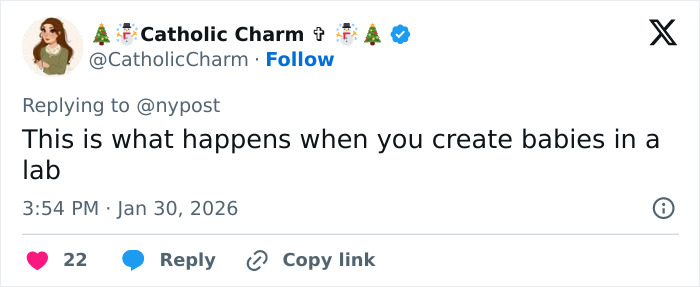
Others went further, arguing that adoption should replace IVF altogether or that “this is what happens when you buy a baby from a lab.”
As Score and Mills await answers in court, they remain caught between loving the child they have raised for months and fearing the moment someone may come forward to claim her.
“I wonder how often this happens. It can’t be that often,” wrote one netizen