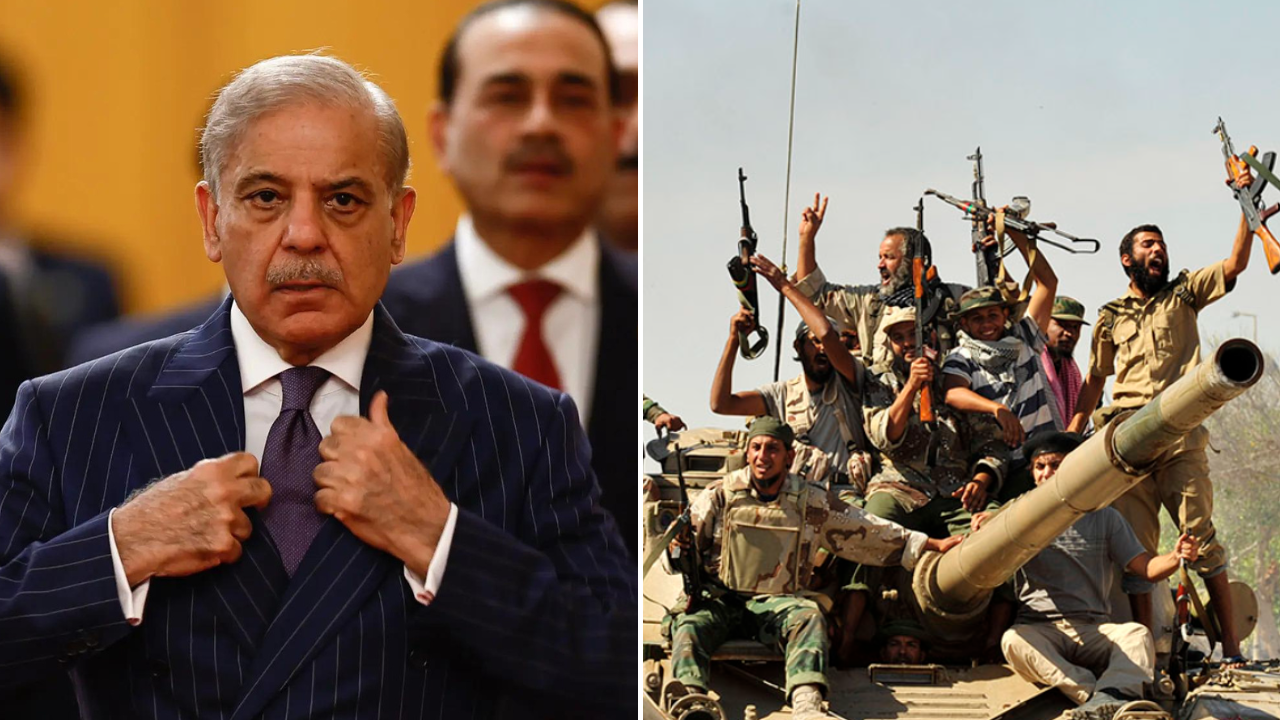
Pakistan spent the first half of 2026 basking in an unfamiliar role: peacemaker. Its PM and Field Marshall helped broker a ceasefire between the United States and Iran, and for a moment, Islamabad looked like the region's most unlikely power broker. But that ceasefire has since come apart in less than 3 weeks, with fresh strikes, dead civilians, and a shut Strait of Hormuz reminding everyone how fragile the deal always was.
Get breaking news anytime, anywhere. Download the TOI app now!
As the war teethered and tensions began to reappear Pakistan quietly shifted its gaze. Now, Islamabad is trying to do in Libya what it could not fully finish in the Middle East: End a long, grinding civil war through backdoor diplomacy. Reuters has reported that Pakistani officials have been mediating between Libya's rival eastern and western factions since late last year, with the blessing of Washington, Riyadh, Doha, and Ankara.
There is just one awkward detail. Pakistan is trying to bring Libya's rival factions together while selling more than $4 billion worth of weapons to one of them.
And behind those fighter jets is another country with plenty to gain: China.
A ceasefire that keeps almost collapsing
Pakistan's diplomatic reputation this year rests heavily on the Iran-US ceasefire. Structured negotiations were channeled through Pakistan initially, then finalized in Islamabad, and the country positioned itself as the trusted go-between for two governments that do not talk to each other directly. For a few weeks, it worked. Oil markets calmed down, and the wider region got a breather from war.
Also read: Why Iran ceasefire was always destined to fail
That breather did not last. Tensions have escalated again as the fragile ceasefire between the US and Iran has unravelled over the past week, with air raid sirens sounding over Gulf nations. Oil prices spiked and markets fell after Tehran shut the Strait of Hormuz, a vital energy corridor. Trump declared the April ceasefire "over," while Iran's new Supreme Leader spoke of revenge as the will of the nation. Iran had already been attacking commercial vessels, and Washington had responded with strikes on Iranian military sites, setting off a fresh round of tit-for-tat violence.
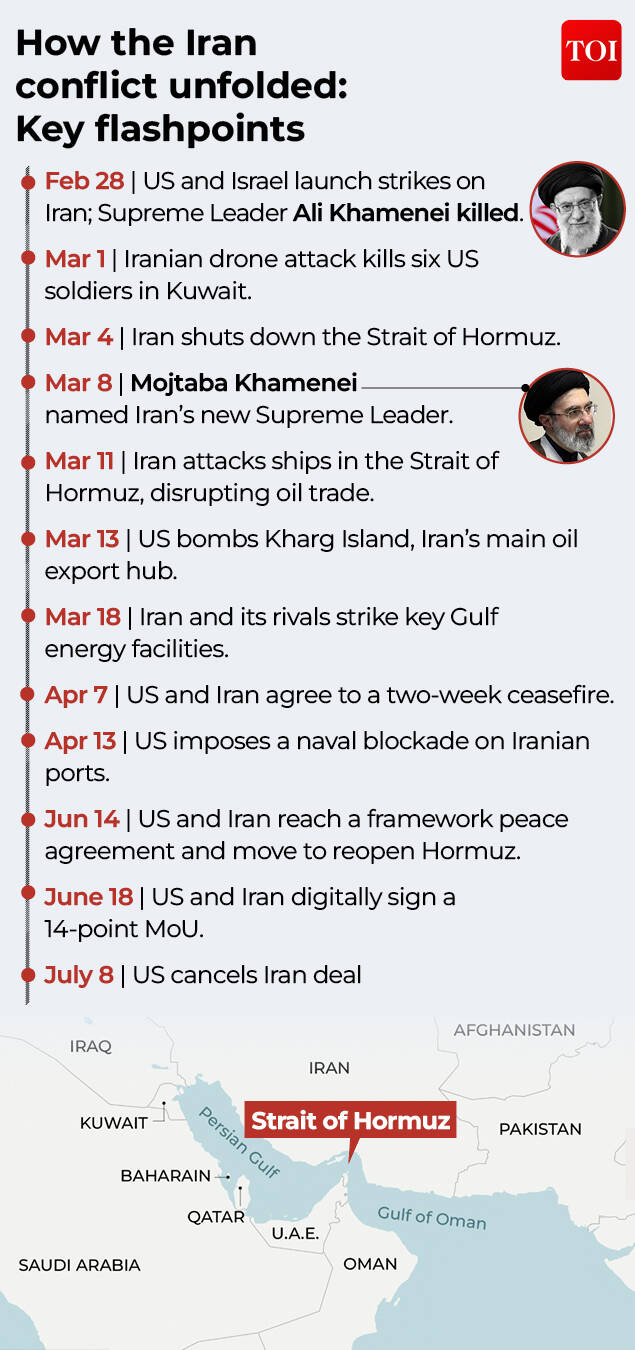
The details of the collapse are messy but instructive. American airstrikes killed at least 14 people and wounded 78 others in Iran, most of them members of the armed forces, according to Iran's health ministry. Gulf states have been caught in the crossfire too. Kuwait's military shot down missiles and drones after debris wounded a resident, while Bahrain and Jordan reported intercepting incoming fire from Iran. Even the mediation channel itself started fraying. Iran's negotiators have made clear they do not trust Washington, and Israel has continued striking Lebanon despite terms meant to wind that front down too.
This is the backdrop that matters for understanding Pakistan's next move. Islamabad had built a diplomatic brand on being the one country that both Washington and Tehran would still speak to. But a ceasefire that unravels every few weeks does not make for a strong résumé. If Pakistan wants to keep its new reputation as a serious mediator, it needs another success story, ideally one further from the unpredictable churn of the Iran-Israel-US triangle. Libya, conveniently, offered exactly that kind of opportunity.
Enter Libya, a country that has been broken for fifteen years
Libya has not had a single, functioning government since Muammar Gaddafi was toppled and killed in 2011. The crisis has run through two civil wars, foreign military intervention, and tens of thousands of casualties since violence began in early 2011. Today the country is still split down the middle. The internationally recognised Government of National Unity in Tripoli controls the west, while the House of Representatives-backed administration in the east operates under the de facto rule of the Libyan National Army and its commander, Khalifa Haftar.
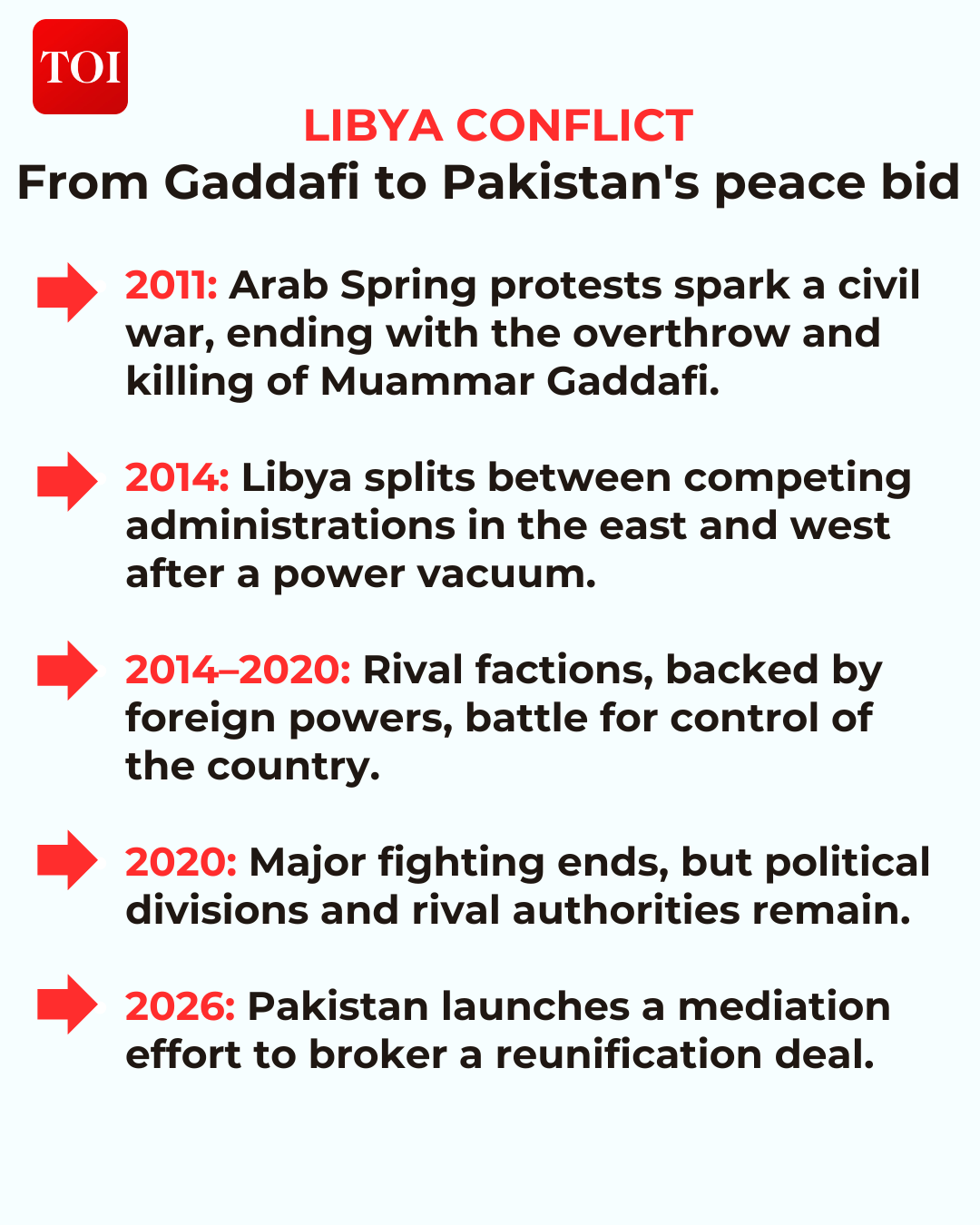
The human and economic cost has been staggering. A UN study found the conflict had already cost Libya more than 783 billion Libyan dinars, or roughly $576 billion, by the end of 2020 alone, and warned the bill would keep climbing without a lasting peace deal. Oil production, the backbone of Libya's economy, collapsed from 1.6 million barrels a day under Gaddafi to as low as 100,000 barrels a day during the worst of the fighting. Ordinary Libyans have paid the price in every sense: the currency has been devalued repeatedly, public services have decayed, and in 2023 flooding that killed roughly 11,000 people in Derna exposed just how little capacity the divided state has left to protect its own citizens.