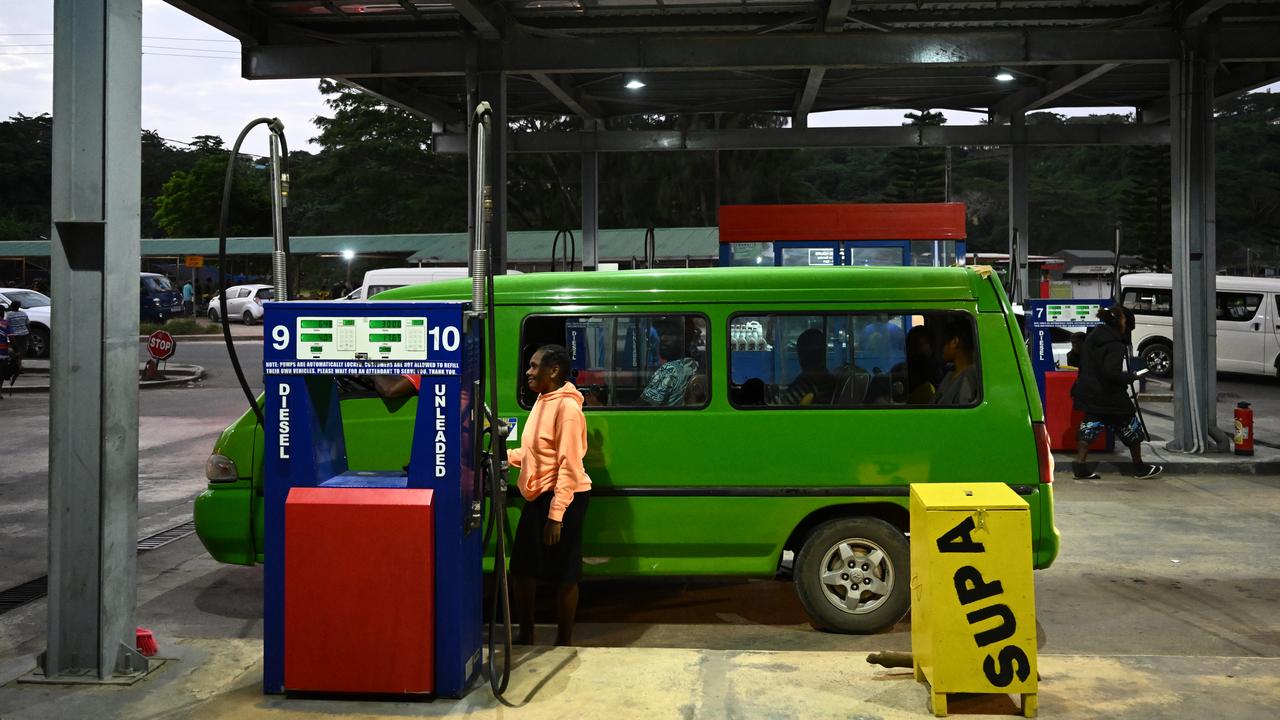
Australia is considering aid options to ensure Pacific nations have access to fuel, as the Middle East war threatens to derail several diesel-dependent island economies.
Fiji could be hit with a 115 per cent increase on its annual imported fuel costs from 2025 levels, by about $US670 million ($A978 million), if oil holds at post-shock prices, analysis shows.
This massive spike represents almost three times Fiji's annual healthcare budget, according to Zero Carbon Analytics.
The energy and climate researchers found Vanuatu's refined petroleum import costs could surge $US120 million ($A175 million), amounting to about 11 per cent of GDP.
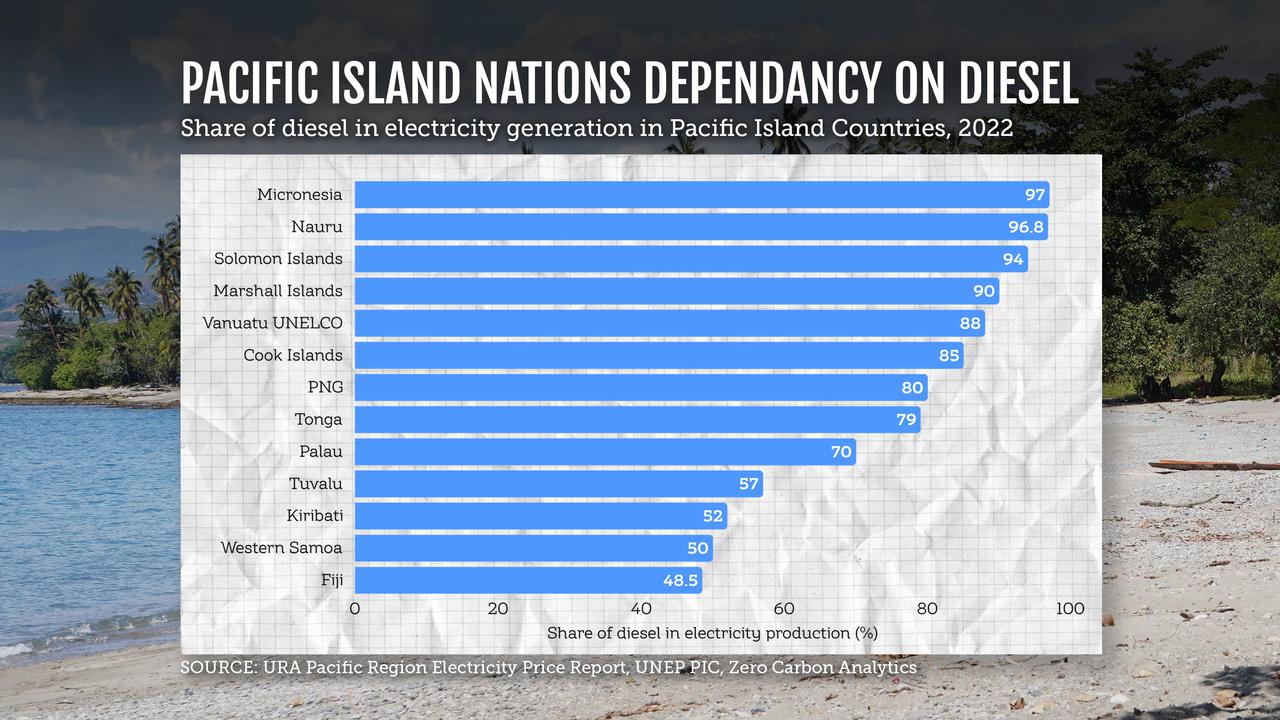
The conflict is squeezing economies worldwide but pressures are particularly acute for small island countries that rely heavily on diesel for power generation.
Skyrocketing fuel costs drain foreign exchange reserves and risk pushing countries into high levels of debt, leaving them vulnerable to future shocks and more reliant on foreign aid.
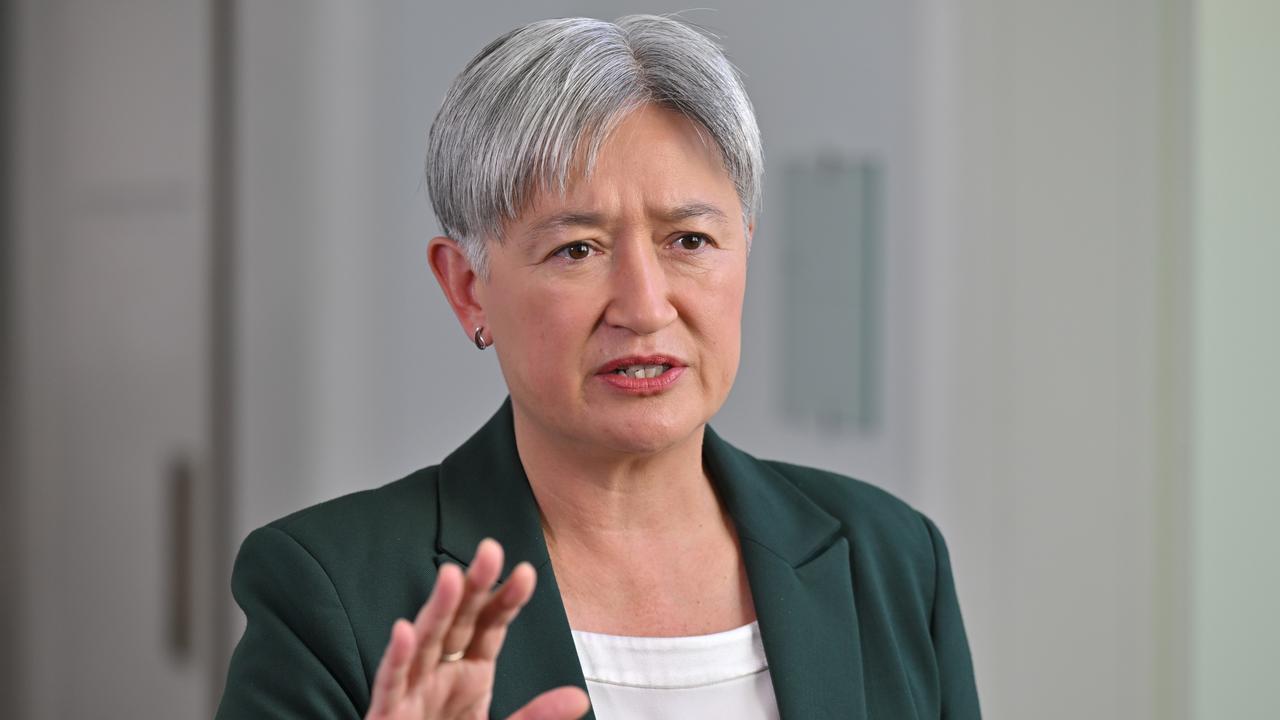
Foreign Minister Penny Wong said there had been talks between Australia and Pacific allies about potential support measures.
"We're looking at what we can do and how it is we might assist, but obviously at this time, our first priority has to be to secure supply for Australians," she said.
"We're a responsible Pacific partner, we'll continue to work with them and look at what we can do to support them through this."
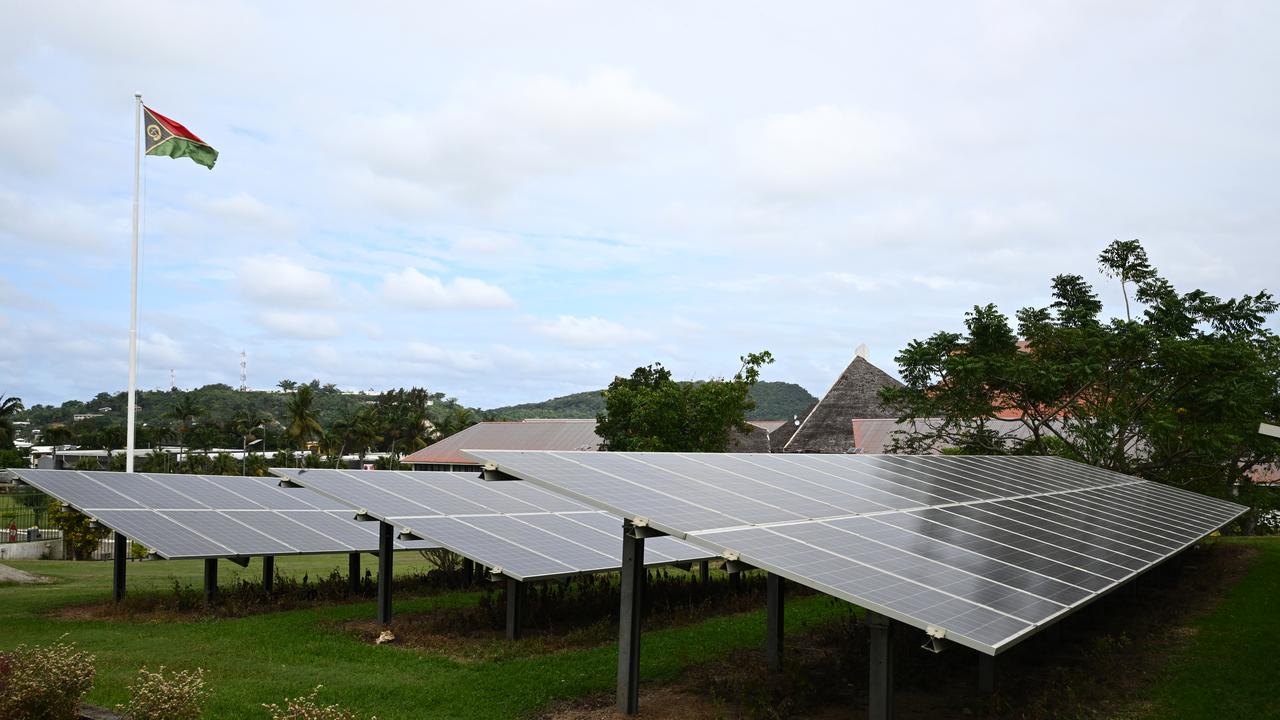
With 80 per cent of regional energy currently dependent on imported oil, the crisis has accelerated the push for local clean energy generation.
While reducing emissions is a factor, for these nations responsible for just 0.03 per cent of global conditions, the primary driver is energy security.
Permanent Secretary for Environment and Climate Change for the Republic of Fiji Sivendra Michael said clean energy would provide cheap and reliable power.
"When our energy comes from the sun, wind and other indigenous sources of energy, nobody can cut off our supply and our exposure to oil price volatility and the implications of a war happening on the other side of the world are minimised," Dr Michael said.
"We need our partners to back our commitment to low-carbon transition."
Australia, a major foreign aid and security partner of many Pacific nations, is investing $75 million in renewable energy for rural and remote communities across the Pacific and Timor-Leste.
Australia and the Pacific are set to play key roles in the 2026 United Nations climate talks, with the larger nation running multilateral negotiations and pre-meeting leadership events in Fiji and Tuvalu.
Zero Carbon Analytics energy transition researcher Amy Kong said small economies were already spending huge proportions of GDP on fuel imports.
"The Iran oil crisis has exposed the vulnerabilities of small island states and their dependence on diesel," she said.
"These are the countries that can least afford the volatility of the market."