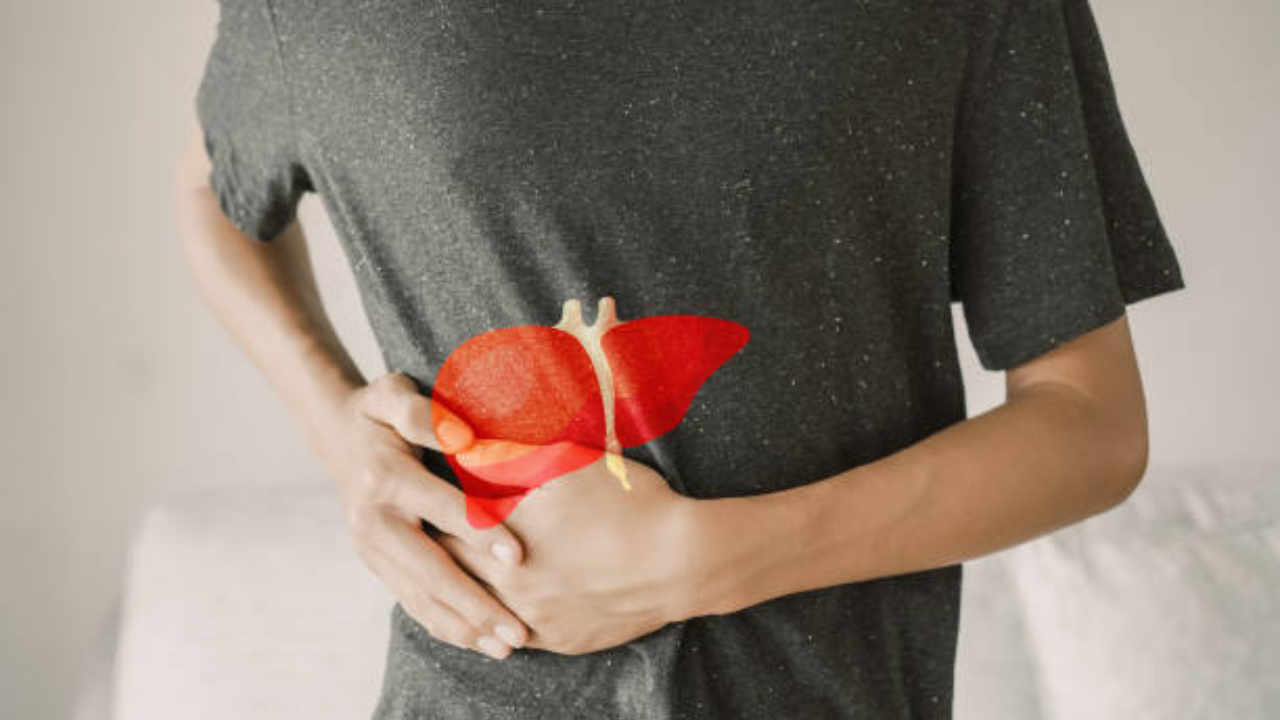
The IT industry is booming, but so is a hidden health crisis—fatty liver disease. Long working hours, lack of movement, irregular eating habits, and stress have put IT professionals at a high risk of Metabolic Dysfunction-Associated Fatty Liver Disease (MAFLD). A recent study conducted by the University of Hyderabad in collaboration with the Asian Institute of Gastroenterology (AIG) found that around 84% of IT employees have MAFLD.
Fatty liver occurs when excess fat builds up in the liver, mostly due to poor lifestyle choices and metabolic issues. If left untreated, it can lead to serious conditions like cirrhosis, liver failure, or even liver cancer. But the good news? We can slow down and even reverse the damage with some simple changes.
Here are 7 tips to help IT professionals protect their liver health:

Start the day with black coffee or lemon water
Drinking black coffee (without sugar) in the morning can help reduce liver fat and improve enzyme levels. Studies show that coffee contains antioxidants and anti-inflammatory compounds that can protect the liver from damage.
Following it up with a glass of warm lemon water helps in flushing out toxins and aids in digestion. The vitamin C in lemon also supports liver function and helps prevent fat accumulation.
Follow the ‘20-20-20 rule’ to reduce sitting time
Most IT professionals sit for 8-10 hours daily, which is harmful to the liver. Excessive sitting slows down metabolism and leads to fat accumulation in the liver.
Use the 20-20-20 rule: Every 20 minutes, stand up for 20 seconds, and look 20 feet away to reduce eye strain and boost circulation. This small movement can prevent fat buildup in the liver and improve overall metabolic health.

Switch to ‘sunlight fasting’ for better liver detox
Have you heard of sunlight fasting? It means eating our last meal before sunset and fasting overnight. This method, similar to intermittent fasting, allows the liver to focus on detoxification rather than digestion.
Eating before sunset aligns with the body’s natural circadian rhythm, leading to better digestion, reduced liver fat, and improved metabolism.
Take a 10-minute walk after every meal
A simple 10-minute walk after meals can do wonders for our liver. Studies show that walking after eating reduces blood sugar spikes, helps in better digestion, and prevents fat from accumulating in the liver.
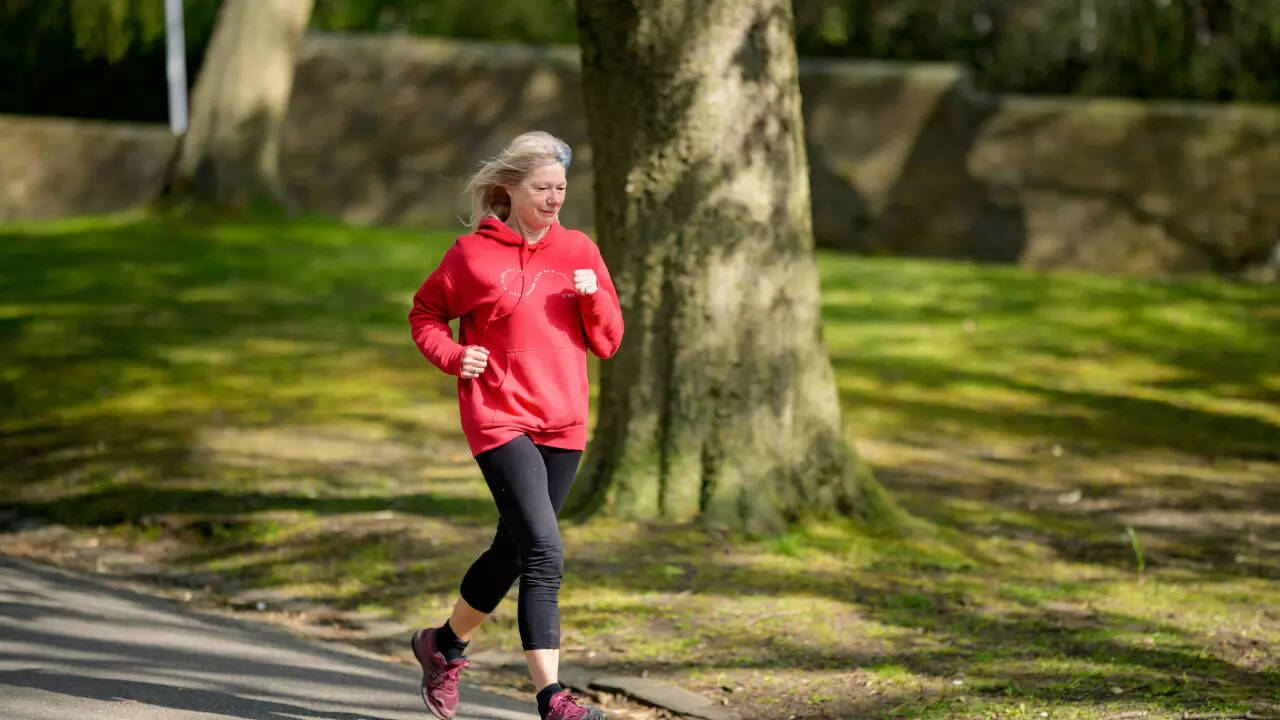
If possible, climb stairs instead of taking the elevator after lunch—it’s a small habit that boosts liver health and helps burn extra calories.
Add more ‘bitter’ foods to the diet
Bitter foods like turmeric, karela (bitter gourd), neem, and methi (fenugreek) help cleanse the liver and reduce fat accumulation.
Turmeric: Contains curcumin, which fights liver inflammation.Bitter gourd: Helps regulate blood sugar and prevents liver fat buildup.Fenugreek seeds: Improve insulin resistance and reduce liver fat.Try drinking bitter gourd juice once a week or adding fenugreek seeds to warm water overnight for better liver function.
Follow the ‘no screens while eating’ rule
One of the biggest reasons for fatty liver is unhealthy snacking while working. IT professionals often eat chips, sweets, or fast food without realising how much they consume.
A simple rule—no screens while eating—helps you eat mindfully. Studies show that eating while distracted leads to overeating and higher calorie intake, directly impacting liver fat levels.
Prioritise deep sleep with ‘left-side sleeping’
Lack of sleep is one of the biggest culprits behind fatty liver. The liver regenerates and detoxifies when you sleep, but poor sleep disrupts this process.
Try sleeping on your left side—it helps with better digestion, improved liver function, and detoxification. Also, avoid eating heavy meals at night to reduce liver stress.