There are a few debates in the entertainment industry that never seem to end. The value of onscreen sex scenes, if the superhero movie will eventually go the way of the Western, and whether or not we still have “movie stars.” The latter debate has been kicked up once again, thanks to a man who has been known as that specific kind of household name for decades: George Clooney.
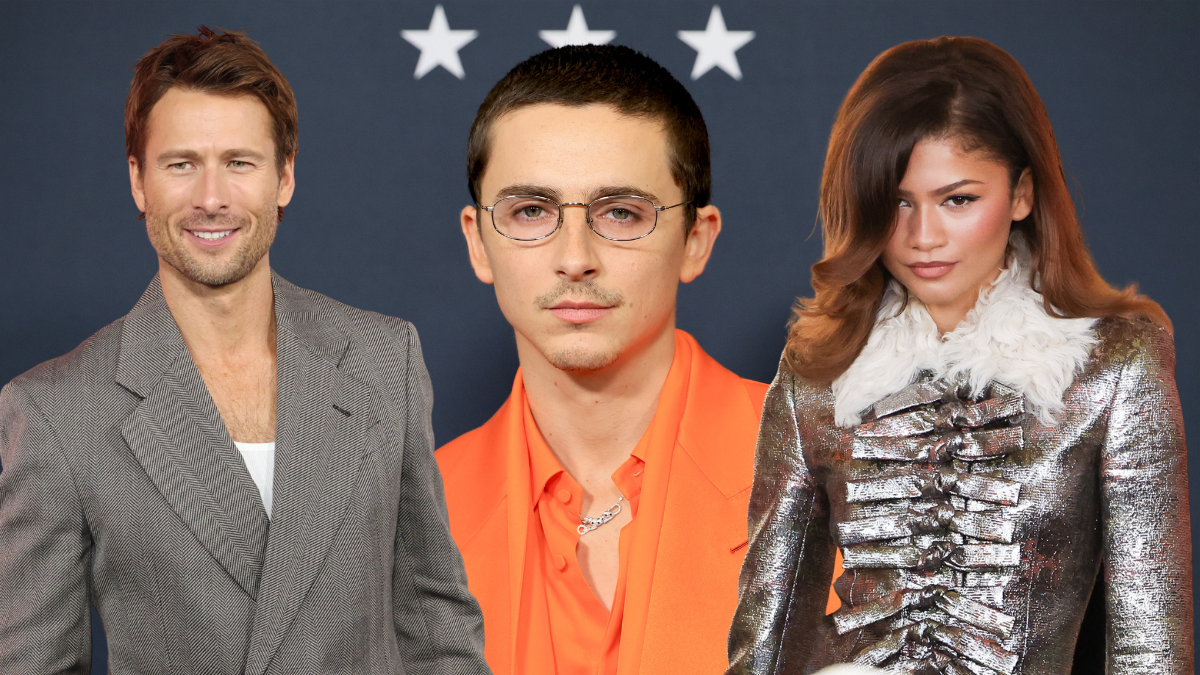
In a recent profile with Variety, Clooney cited Timothee Chalamet, Glen Powell, and Zendaya (who he dubs “an exceptional talent”) as young actors who could be elevated to “movie star” status. But in the same interview, he argued that the traditional path that he took to become a movie star is now a relic.
“The thing where you put someone’s name above the title and you go see a movie because they’re in it has ended,” Clooney said. “And I’m part of the last generation of stars who were a beneficiary of a studio really investing in them. When I was on ER, Bob Daly and Terry Semel, who were running Warner Bros. at the time, brought me in and gave me a five-picture deal. Because their company had produced my show, they wanted to be in business with me for the long haul.”
We Still Have Movie Stars!
Clooney’s argument isn’t entirely invalid, especially in an age where franchises and IPs have become a bigger and bigger draw. But the three actors he did name are nearing a point where their name being “above the title” is enough of a draw, as Marty Supreme and the hype around the upcoming The Drama already prove.
And Clooney’s comments do miss some of the nuance of why that “studio investment” is no longer a guarantee. Contracts of that kind, signing young stars to multi-picture deals under the same studio, originated back in Golden Age of Hollywood… and came with their own set of headaches. Studios would often have to loan stars to each other for various reasons, or would intentionally shut actors out of roles in order to prolong their contracts for as long as possible. Gone with the Wind star Olivia de Havilland made history for filing a lawsuit against this system, ultimately having an ensuing piece of legislation named after her.
While it took a while for those contracts to completely go away, as evident by Clooney’s story, the courts ruling in de Havilland’s favor did weaken the “studio system” as it had been for decades. Still, there are some exceptions, such as Tom Cruise’s current first-look deal with Warner Bros. that is already resulting in next year’s Digger. And there are plenty of informal instances of studios keeping stars under their umbrella as much as possible, whether with Robert Pattinson and Warner Bros. with The Batman, Mickey 17, and Dune: Part Three, or with Tom Holland and Sony on the Spider-Man movies and Uncharted. Either way, there are plenty of instances of actors who audiences and studios seem to want to be with (in Clooney’s words) for “the long haul.”
(featured image: Dia Dipasupil/WireImage/Rob Kim/WireImage/Antoine Flament/Getty Images)
Have a tip we should know? [email protected]