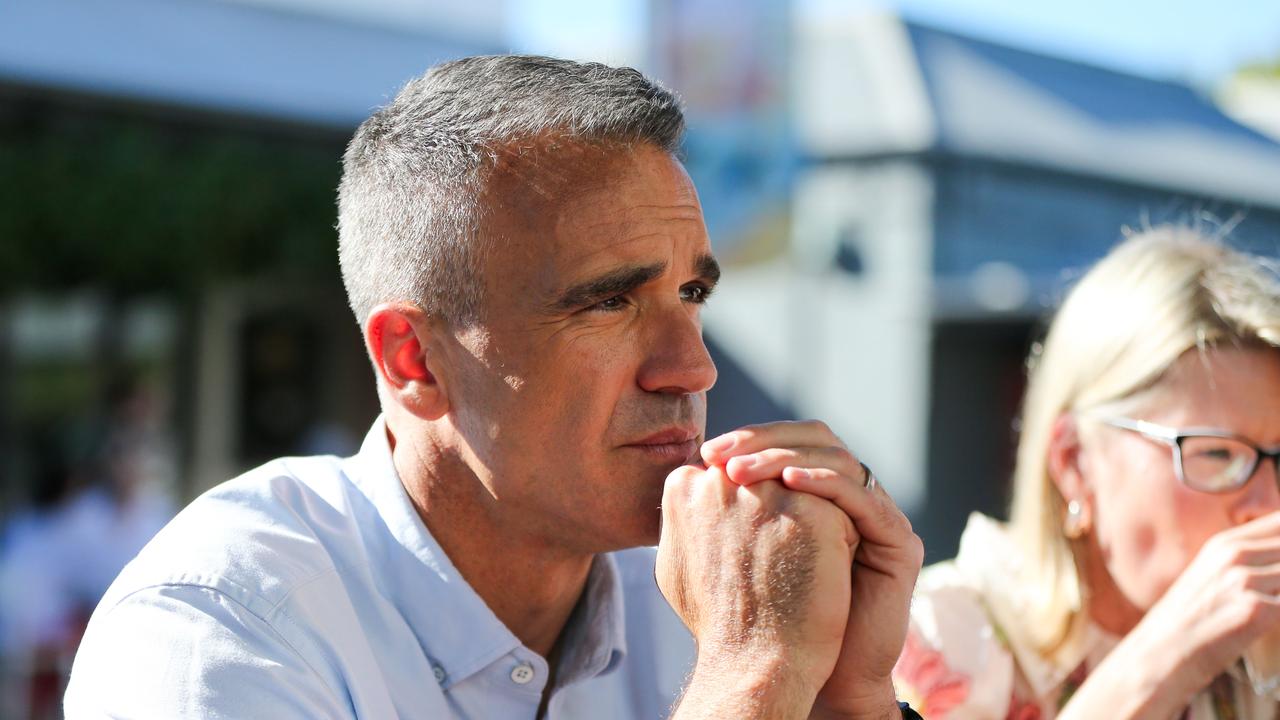
Voters want the government to "just get on with it" after Labor's huge win in the South Australian election, Premier Peter Malinauskas says, as the final outcome of a handful of seats hangs in the balance.
With 40 seats now decided and seven still in doubt, Labor has 33 seats, the Liberals four, independents two, and One Nation has secured its first-ever lower house seat in the state.
Addressing the Labor caucus on Tuesday, the premier said they "were not celebrating, we're getting on with the job - we're not making landmines".
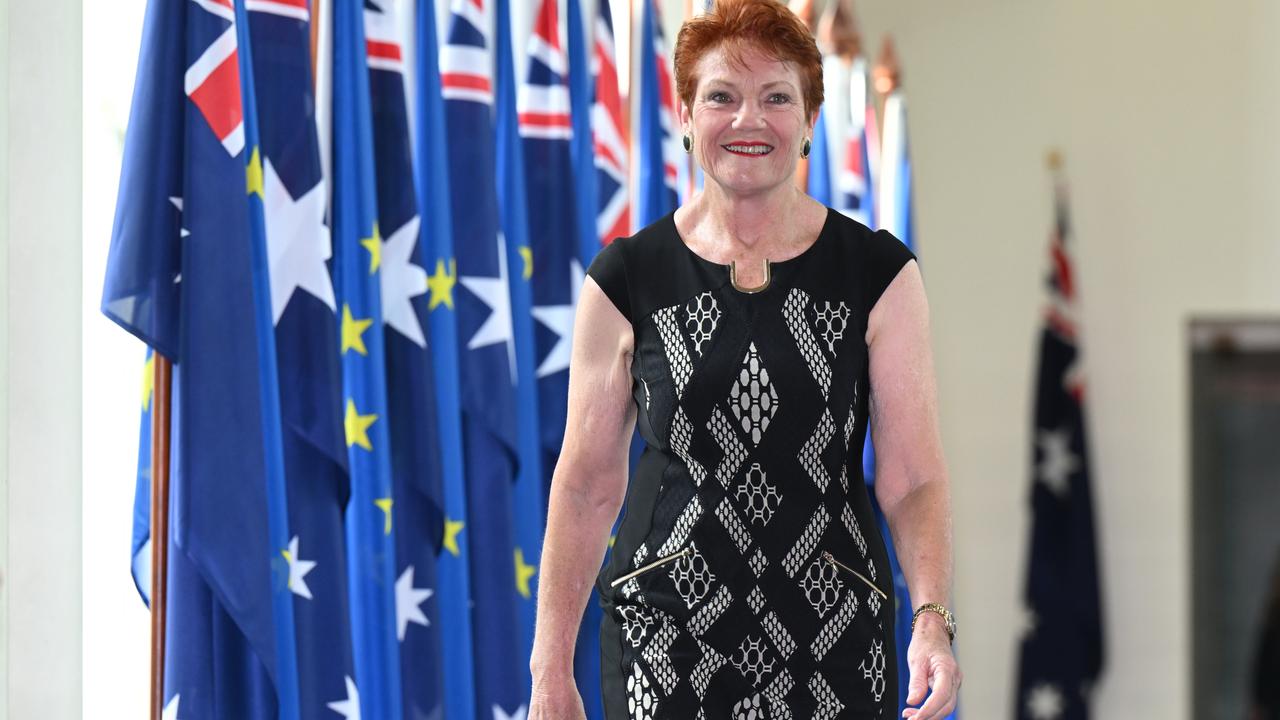
This was in reference to One Nation federal leader Pauline Hanson's election night declaration: "I'm leaving you some landmines, they are called One Nation members of parliament .. I'm suggesting don't step on them because they will explode.''
Current counting figures show that One Nation has at least one lower house MP, David Paton, in the seat of Ngadjuri, and two upper house MPs - state leader Cory Bernardi and state president Carlos Quaremba.
It's also still in the race to win the previously Liberal-held seat of Hammond, east of Adelaide, the Yorke Peninsula seat of Narungga, and the rural south east seat of MacKillop, previously held by independent Nick McBride.
Postal votes and preference distributions will be crucial factors in the final results.
"I think the electorate has said, ''just get on with it, make the decisions ... even if that results in a bit of pushback," Mr Malinauskas said.
"They don't want the chaos, they don't want the division - they want the government to bring people in to work together to get results."
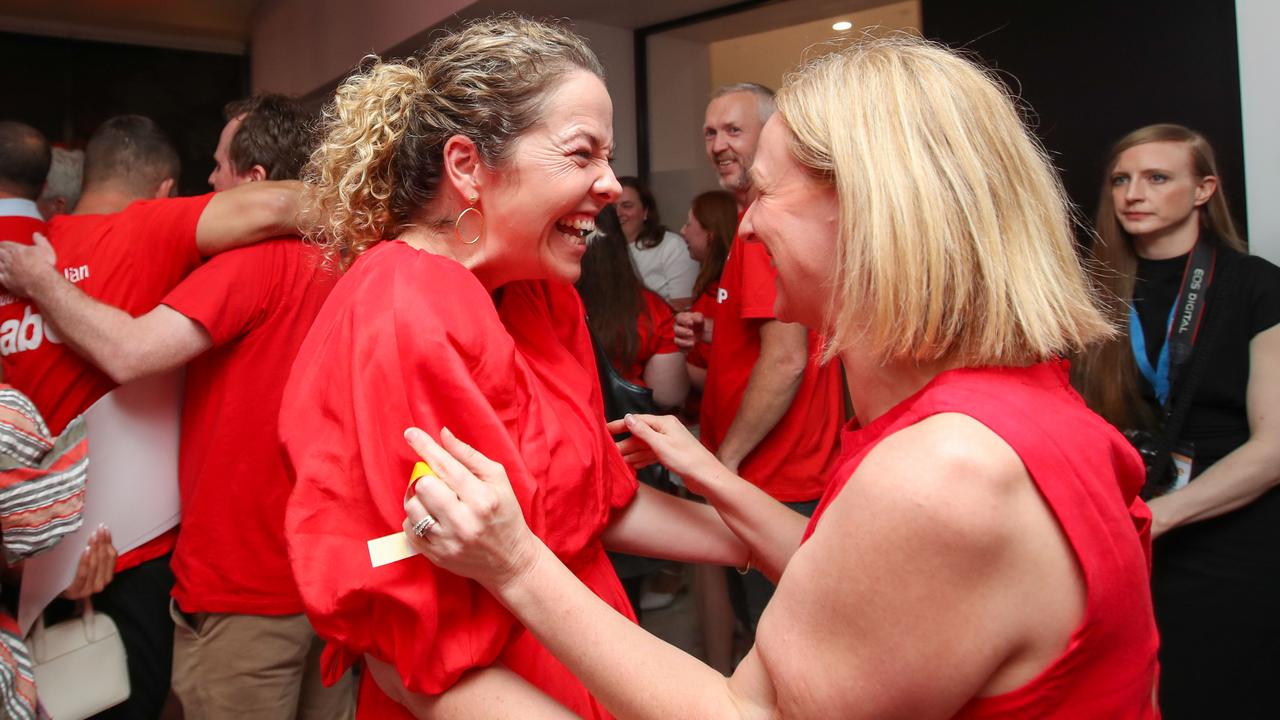
Late on Tuesday, Labor announced that Nadia Clancy, Michael Brown and newly elected MP Alice Rolls had been elevated to the front bench by caucus.
The promotions - seen as a move for generational change - fill vacancies left by former senior minister Nat Cook, Zoe Bettison, and retiring MP Andrea Michaels.
Experts say the result shows a significant shift in the Australian political landscape which could be reflected in other states and at a federal level.
The swing towards One Nation was almost entirely due to a shift away from the opposition by voters, said senior lecturer in politics at Monash University, Benjamin Moffitt.
"If we're looking for a single explanation here, it's that the coalition is having a serious identity crisis," he said.
The shift could be recreated in Victoria's state election later this year, where recent polls have One Nation at around 20 per cent of the primary vote, Dr Moffitt said.
''This was a test and I think we'll be seeing something similar in Victoria," he said.
Retired ABC election analyst Antony Green said the Liberal Party's disastrous result - third, on 19 per cent, behind One Nation's 22 per cent - was "hard to comprehend for anyone with a background in Australian political history".