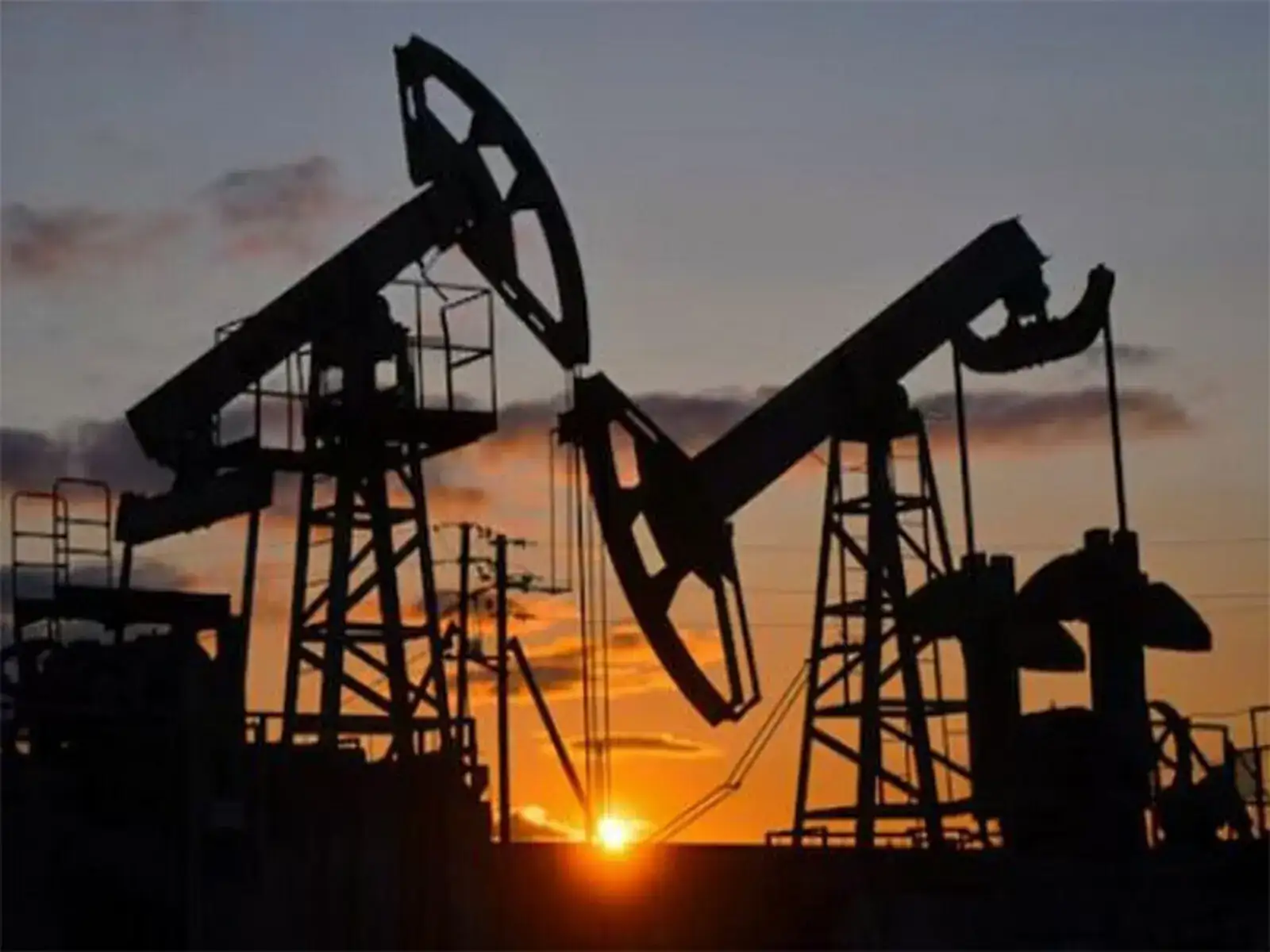
Oil prices slipped on Friday as investors assessed signs that Gulf states and Iran were nearing a temporary agreement to reopen the Strait of Hormuz, potentially paving the way for broader talks to end the Iran war, Reuters reported.
Brent crude futures fell 75 cents, or 0.9%, to $81.74 a barrel by 11:41 GMT, while U.S. West Texas Intermediate crude declined 66 cents, or 0.9%, to $76.63.
Oil futures closed more than $3 a barrel higher on Thursday after Iran began considering legislation that would bar US and Israeli vessels from the Strait of Hormuz. Before the war began in late February, the waterway carried about 20% of global oil and liquefied natural gas shipments.
Despite Thursday’s rebound, both crude benchmarks were headed for weekly losses of roughly 9% after earlier optimism over a possible resolution to the conflict pushed prices lower, according to the Reuters report. Analysts quoted by the news agency cautioned that recent developments suggest tensions between Iran and the United States remain unresolved.
Iran is demanding fees equivalent to 5%-7% of cargo values from vessels passing through the Strait of Hormuz, according to a senior Iranian official. Oman has proposed a levy of about 3%, while Washington is seeking toll-free passage.
Four industry sources told Reuters that the proposed arrangement would be difficult to implement because US sanctions and restrictive insurance terms could complicate payments.
"The structure of the Iran-Oman agreement in its current form and the power it yields to Iran is nothing that (US President Donald) Trump can accept politically," said Bjarne Schieldrop at SEB Research. "Trump would face heavy political criticism at home if he did."
The conflicting signals surrounding a potential agreement have fueled sharp swings in market sentiment, while investors remain uncertain about what would be required to finalise a deal, said Vandana Hari, founder of Vanda Insights.
Regional security concerns also persisted. A senior Saudi official said the kingdom expected coordinated attacks by Iraqi militias from the north and Yemen’s Houthis from the south, under the supervision of Iran’s Islamic Revolutionary Guard Corps.
Speaking on condition of anonymity, the official said intelligence gathered by Saudi Arabia, the United States and other regional countries indicated that civilian and economic sites could be targeted, including energy infrastructure, ports and airports.
Yemen’s Houthis said they carried out missile and drone attacks on Saudi deployments in Yemen’s Marib and Hadramout regions on Thursday.
Saudi Arabia, Pakistan and Turkey signed a joint defence agreement in Mecca on Friday as US-aligned Sunni Muslim countries sought greater coordination amid escalating regional hostilities.
Trump said on Thursday that he believed the war would end soon.
Investors were also awaiting US payrolls data later on Friday for clues about the Federal Reserve’s interest-rate outlook. Higher rates can restrain economic growth and weaken oil demand by raising borrowing costs.