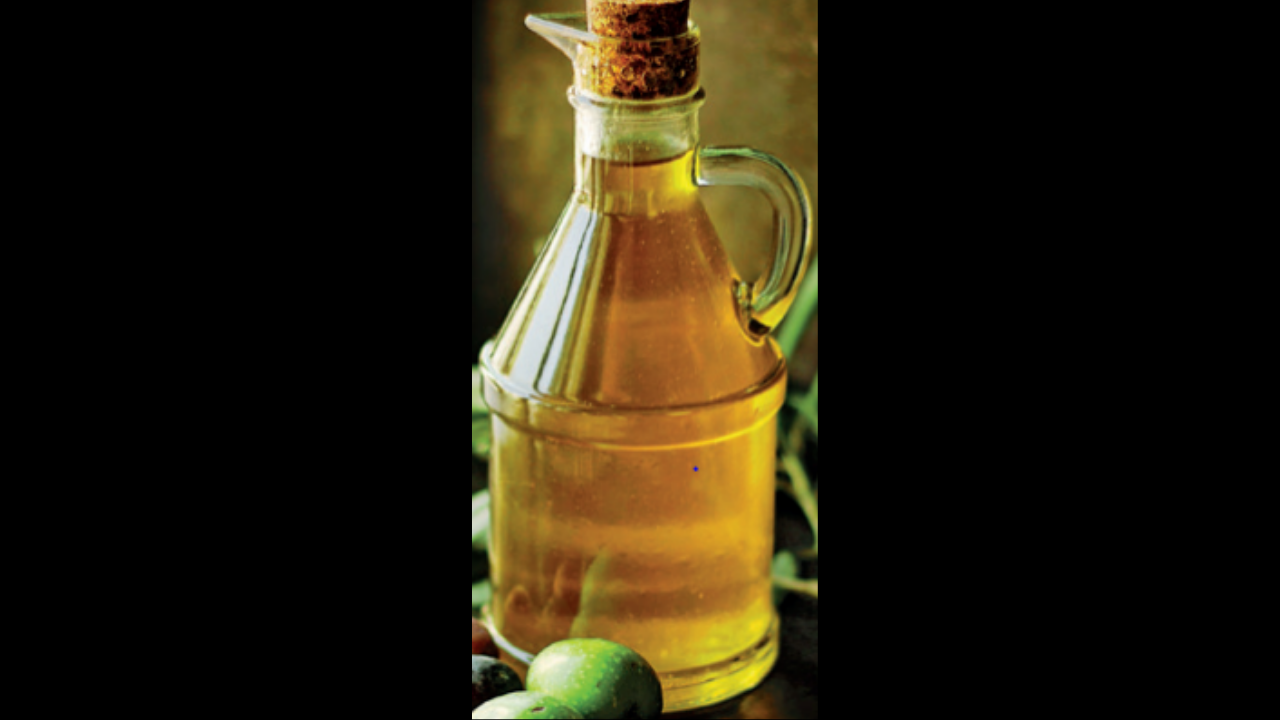
For years, Seetha Rajeev has been using sunflower oil for her daily cooking. Dosa podis get a drizzling of gingelly oil and salads, a touch of virgin olive oil as part of the dressing. But of late the 42-year-old homemaker has been switching up things a bit — she uses avocado oil to fry her bhindi while the kids’ pancakes are made with a dash of cold-pressed pumpkin seed oil.
“Using these oils changes the flavour and it took some time for my family, especially the children, to get used to the taste. But it’s supposed to be healthy and I feel it’s important to eat right,” says Seetha.
People across the world are now trying out alternate oils that are supposed to be beneficial for health.
Avocado oil seems to be the most popular as it has high concentrations of potassium and vitamin E, which have antioxidant and anti-inflammatory properties that protect the cardiovascular system. Lutein found in unrefined avocado oil prevents macular degeneration with age, thus helping with vision. It is also high in monounsaturated fats (70%) and rich in omega-9 fatty acids that increase HDL, the ‘good’ cholesterol, and decrease LDL, the ‘bad’ cholesterol.
Other oils that are getting popular include pumpkin seed walnut, almond, flaxseed, grapeseed and hemp oil. “I don’t use these oils in my regular cooking as they are expensive. But I drink a teaspoon of flaxseed oil every now and then as it’s rich in omega-3 fatty acids and improves heart and skin health,” says vegan chef Marieen Vijay.
Cookbook author Sabita Radhakrishna feels that, as far as Indian cuisine is concerned, what was used by our grandparents were right for the kind of food they cooked. “But with more fusion food becoming popular, the concept has changed,” she says.
“For instance, olive oil was introduced into the Indian market sometime ago. I may use virgin olive oil for salads, but not in Indian dishes as it changes the flavour completely,” says Sabita. “These oils are very expensive; chefs are using avocado and pumpkin seed oil to make exotic cuisines and trying
to inculcate them into traditional food, to create fusion food, but I wouldn’t do it. ”
“Experiencing novel aromas and tastes with plant-based oils should be coupled with an understanding of nutrition and health profile,” says Meenakshi Bajaj, dietician, Tamil Nadu Government Multi Super Specialty Hospital.
You should also be careful how you use each oil for cooking. “Each culinary oil has its own characteristic profile with respect to smoke point and storage conditions. Few oils are best suited for low-heat cooking, some can take more heat, and few are best used in salad dressings and dips,” she says.
“Smoke point” is the temperature at which oil loses its stability, chemical changes take place and starts deteriorating. Oils with high smoke points (such as avocado, vegetable, peanut and sesame) are good for frying or high-heat stir-frying, while oils with low smoke points (walnut or flaxseed) are best suited in salad dressings and dips.
Oils rich in polyunsaturated fatty acids (flaxseed, grapeseed and walnut) are the most susceptible to oxidation by exposure to light, heat and oxygen. “To prevent the oils from getting rancid, they should be stored in tightly closed containers in cool dark places, and a few may require refrigeration. They should be replaced it if it smells bitter or off. Frying oil should never be reused,” she says.