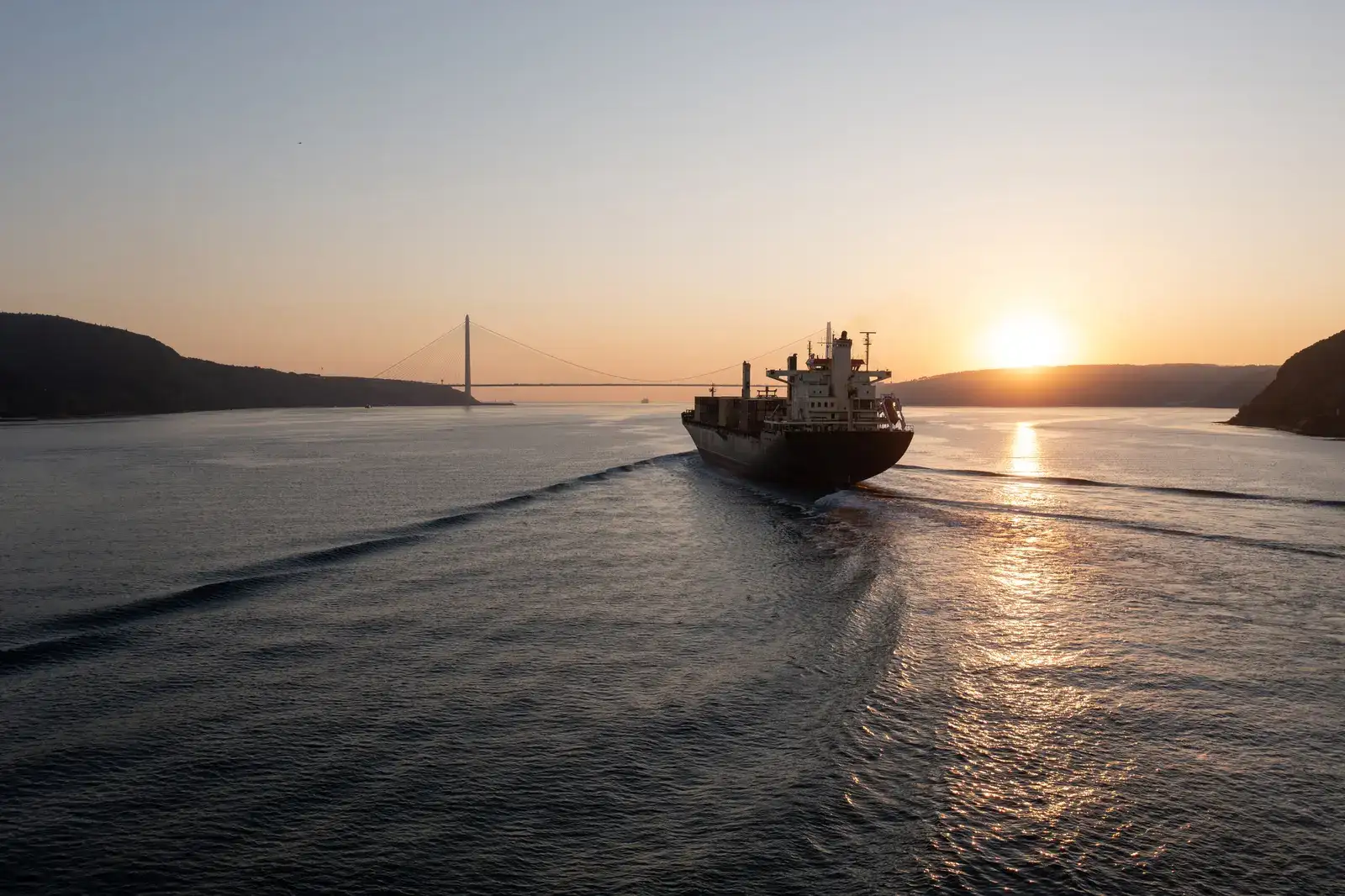
Shipowners and charterers are struggling to agree on who should take on the risk of crossing the Strait of Hormuz, meaning relatively few vessel bookings are occurring.
It’s a reminder that, seven weeks into Middle East conflict, shipping goods through the world’s most important energy chokepoint remains intolerably risky for most operators.
At least two oil companies with barrels available inside the Persian Gulf have sought to charter tankers in recent days, insisting that the shipowners should guarantee they will load on time, successfully cross Hormuz and reach their destination without delays, according to people who saw the requests.
One shipowner and several shipbrokers said the demands were unrealistic.
Some owners are also asking for clauses that would be onerous for charterers, according to shipbrokers. The gap between the two sides means that barely any agreements are being reached to load oil inside the Persian Gulf.
“Both sides want the other side to warrant the risk and nobody is budging,” said Halvor Ellefsen, a London-based director at Fearnley’s Shipbrokers UK Ltd. “Many owners ask for big fees in case of cancellation and being paid for potential waiting, which has been a non-starter.”
While Hormuz has been effectively blocked by both Iran and the US, a smattering of ships have made their way through. Some have done so by transiting close to the coast of Iran or Oman, or switching off their satellite transponders to make their voyages difficult to detect.
Until the standoff between charterers and shipowners eases, there’s little hope of a wholesale resumption of shipping flows through Hormuz.
Whoever takes on the burden associated with sailing through Hormuz could pay a high price. Last month, the Baltic Exchange in London told brokers that when they assess vessel-hire costs for a tanker carrying oil from Persian Gulf to China, they must include the risk premium.
The current rate is about $475,000 a day, compared with about $160,000 before the war started, according to data from the exchange.