The cost of oil has surged again following Iran’s announcement that the Strait of Hormuz is “closed” and that any transit through the waterway will face “harsh measures”.
The price of Brent crude oil rose to $110 a barrel after the warning, the second highest level since the US begun its offensive against Iran last month.
The Strait of Hormuz provides the only passage from the Persian Gulf to the open ocean, making it a crucial point for the oil industry. Around 20 per cent of the world’s gas and oil is shipped through the waterway, with continued Iranian threats proving highly damaging for global trade.
Several tankers have already been attacked by Iranian forces around the strait, with shipping traffic brought to a virtual standstill by the threat of strikes.
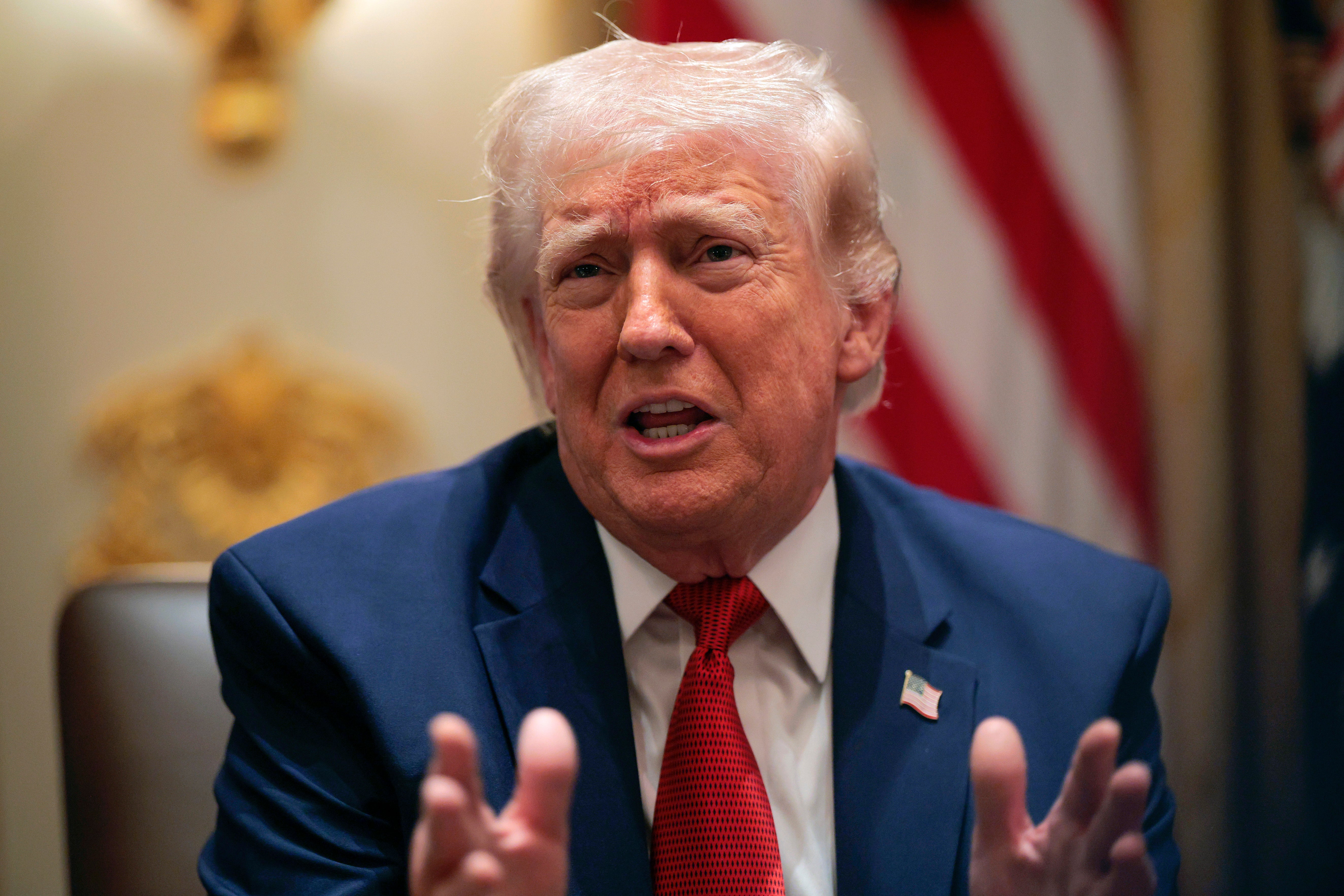
Donald Trump said on Thursday he would again extend the deadline for Iran to reopen the waterway or face the destruction of its energy plants, after Tehran had earlier rejected a 15-point US proposal to end the fighting.
The US president is reportedly considering sending another 10,000 troops to the Middle East, the Wall Street Journal reports.
Brent crude is considered a global benchmark for the price of oil, despite the product originating from the North Sea, and not the Gulf. Rises and falls in its price broadly reflect the supply and demand for oil worldwide, making it a key indicator of pressures on global trade.
The recent peak of $112 per barrel on Firday was only slightly below the $119 seen during the first year of Russia’s invasion of Ukraine. Natural gas has also risen steeply, but has not come close to levels seen during this time.
Reported peace deal talks had begun to bring down the price of Brent crude earlier in the week dropping to $99 a barrel over the weekend. But the latest escalation has now dashed hopes that the fall would be sustained.
The cost of both commodities has a major impact on the UK’s cost of living, especially through impacts on energy and fuel prices. Food prices could also begin to rise, experts have warned, as transportation costs rise across the globe.
Rachel Springall, finance expert at Moneyfacts, said: “The shocks overseas are already being felt very close to home. The uncertainty surrounding the path of inflation has had an impact on the future path of rate setting, seeing hundreds of mortgages pulled from the market alongside rate hikes.
“We are in a similar position to Italy on our reliance to gas, so we are rather exposed to supply issues over the short-term. The fears of a rise in energy costs this Summer will hit the cost of living, so budgeting to manage outgoings will be essential.
“The chances of the UK falling into a recession is also more likely should higher oil prices are sustained, and the OECD has already warned growth could take a bit hit. Energy bills, the cost of food, and fuel prices, are expected to rise, if we see prolonged supply shortages.”
Laura Suter, director of personal finance at AJ Bell, said: “Higher energy and fuel costs don’t stay contained, they spread through the economy, pushing up prices for consumers. We’ve already seen some of the impact of this as the Bank of England decided to hold interest rates, amid worries of rising inflation, where previously they were expected to cut them.”
Speaking on Friday, UK foreign secretary Yvette Cooper said Iran “cannot hold the global economy hostage”, as she met counterparts including Marco Rubio from the US to discuss the ongoing crisis.
She added that she was “deeply concerned” about Russia’s co-operation with Iran as she sought to maintain pressure on President Vladimir Putin over his invasion of Ukraine despite the crisis in the Gulf.
Iran-US war live: Iran declares Strait of Hormuz closed with ‘harsh measures’ threat
Iran has missiles that can strike London, Pete Hegseth warns
Trump’s domestic support is disappearing - These three charts show just how quickly
Harvests and food prices at risk as Iran war triggers global fertiliser crunch
Iran’s ‘toll booth regime’: How Tehran decides who to let through Strait of Hormuz
Russia is backing Iran in attacks against American allies – while Trump attacks Nato