Oil prices fell to levels last seen before the US-Iran war as the gradual resumption of shipping through the Strait of Hormuz continued to drain the risk premium that had pushed crude to its highs during the conflict.
West Texas Intermediate, the US crude benchmark, fell to around $68.00 a barrel on Thursday morning, while Brent crude, the international benchmark, dropped to $71.16.
The declines extended steep losses from the previous session, when Brent closed down 1.9 per cent at $71.57 and WTI settled 1.3 per cent lower at $68.58.
Both contracts dropped more than 20 per cent in June, with Brent notching its largest monthly decline since March 2020 and WTI recording its worst monthly performance since late 2021.
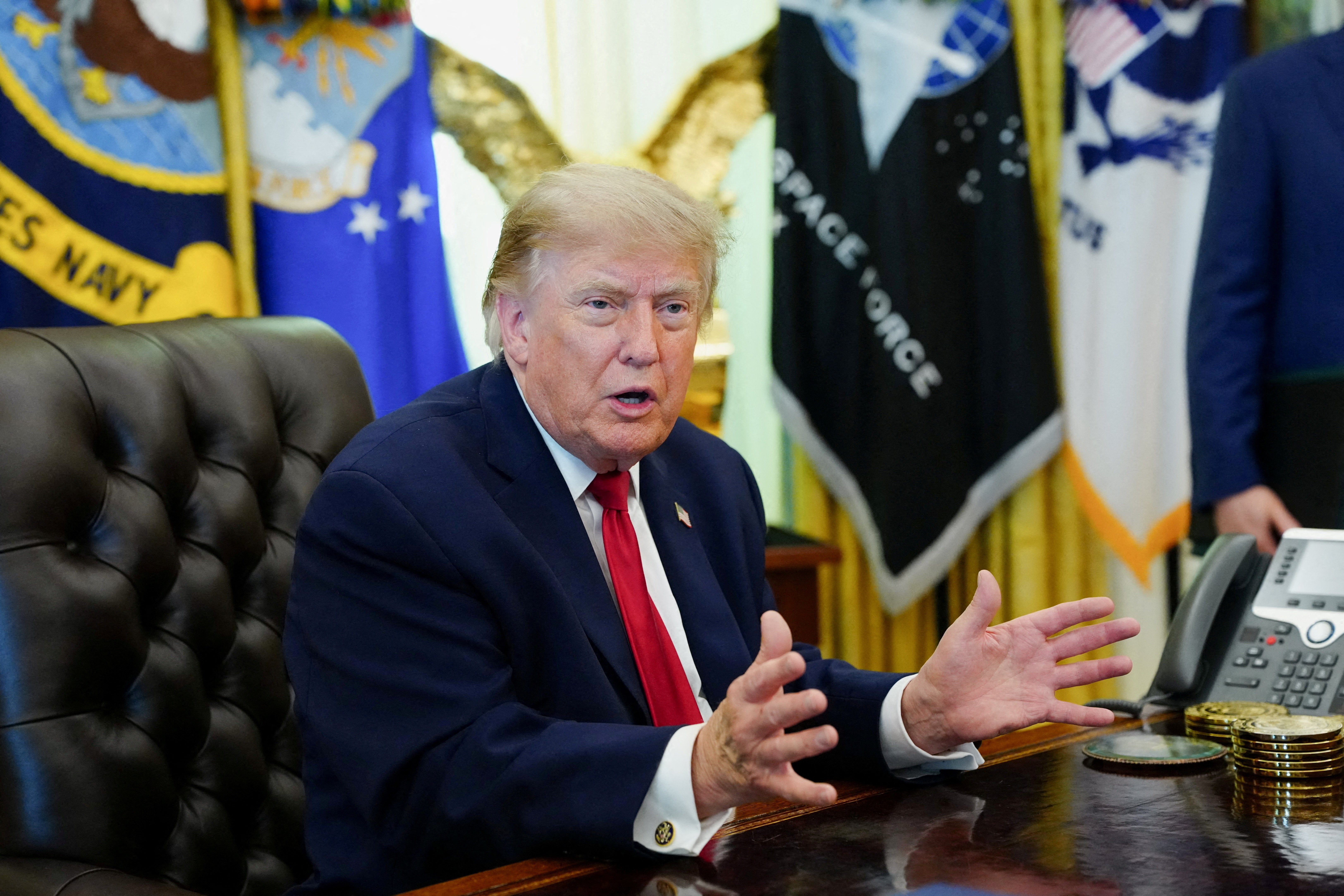
The fall came after US president Donald Trump said talks with Iran in Qatar were going well.
"As far as things are going, the denuclearisation of Iran is moving along well," he told reporters on Wednesday. "They've had very good meetings, and we'll see."
Mr Trump's son-in-law Jared Kushner and US special envoy Steve Witkoff arrived in Doha on Tuesday for indirect talks with Iran through Qatari mediators, after renewed fighting between the two sides over the weekend threatened to unravel a 60-day truce struck on 17 June.
That agreement, a 14-point memorandum of understanding, committed both sides to restoring commercial shipping through the strait as part of broader ceasefire efforts.
Tanker traffic through the Strait of Hormuz, which handles roughly 20 per cent of the world's oil supply, has begun to recover, though vessel movements remain well below pre-conflict levels.
"Admittedly, there has been a slight pickup in inbound tanker traffic, suggesting that shipowners are becoming increasingly confident about moving vessels into the Persian Gulf," ING strategists Warren Patterson and Ewa Manthey said in a research note.
"If this trend accelerates, it becomes a clear headwind, and potentially a direct challenge, to our view that oil prices should rise from current levels."
Iranian state media reported on Wednesday that a foreign container ship had run aground in the strait while using a route not approved by Tehran, though no further details on the vessel were provided.
The market is also contending with bearish signals on the supply side. The US Energy Information Administration reported that commercial crude inventories fell by 3.775 million barrels in the week ended 26 June. a tenth consecutive weekly draw, but the decline was smaller than market expectations for a 5.1 million barrel fall.
US crude stockpiles fell to their lowest level since September 2018. Meanwhile, OPEC+ is expected to approve another production increase of around 188,000 barrels per day for August when the group meets on Sunday, matching increases announced for June and July, Reuters reported, citing three sources.
Differences between Washington and Tehran remain unresolved.
Iran insists the Strait of Hormuz falls under its sovereignty and wants to impose transit tolls on commercial vessels. The US maintains the waterway should remain open for free commercial shipping. No permanent deal has been finalised, and differences over inspections of Iran's nuclear programme also remain outstanding.