Policymakers should prioritise managing public sentiment during potential energy crises, warning that panic buying can be more disruptive than actual fuel shortages, says an energy analyst.
The recommendation is one of the lessons learned from the recent turmoil sparked by the Israel-US conflict with Iran, which rattled global oil markets earlier this year.
The Oil Fuel Fund Office (Offo) gathered suggestions for the nation to better deal with energy obstacles if similar geopolitical conflicts occur.
The war, which erupted on Feb 28, triggered widespread anxiety in March, leading to panic buying across Thailand.
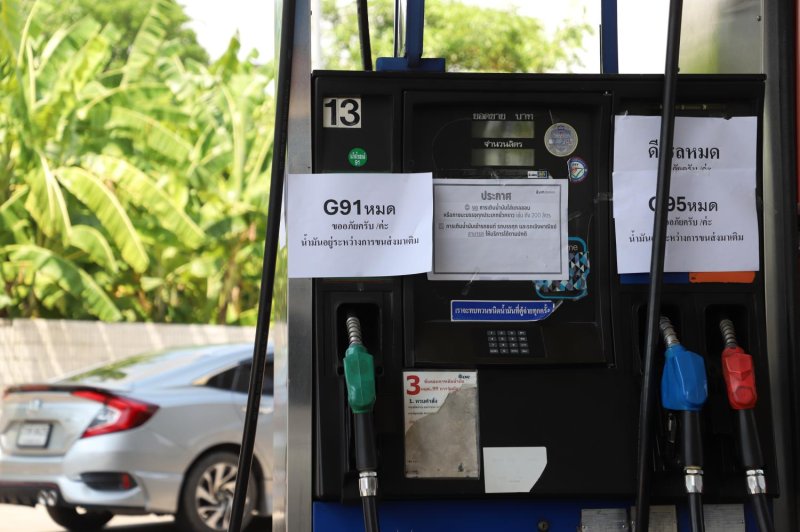
Petrol stations displayed "out of fuel" signs, intensifying fears of scarcity despite assurances that reserves were sufficient for at least 60 days.
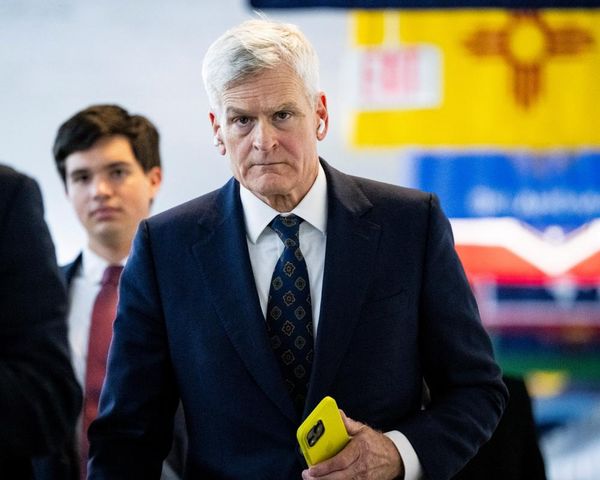
The incident underscored the importance of clear communication and public trust in official information, said Yodphot Wongrukmit, an independent energy analyst and Offo board member.
He emphasised that misinformation on social media was the primary driver of panic.
"Managing public panic is crucial because this situation is more difficult to handle than an oil shortage," said Mr Yodphot.
Oil demand tripled in a single day during the panic, overwhelming delivery trucks and leaving stations temporarily dry, even though depots still held adequate supplies.
Farmers, who typically purchase diesel in small quantities of 20-30 litres, reportedly stockpiled hundreds of litres during the crisis.
Refineries responded by limiting sales to "jobbers", reserving fuel for their own service stations to ensure wider public access.
Jobbers traditionally purchase oil directly from refineries and distribute it to farmers, factory owners and independent petrol stations in rural areas.
According to the Federation of Thai Industries, jobbers' struggle to secure supplies resulted in a shortage affecting the industrial and agricultural sectors, as well as smaller filling stations not affiliated with major retail brands.
Energy analysts also recommended using the Oil Fuel Fund as a buffer against price volatility, while accelerating the adoption of renewable energy to reduce reliance on imported oil. They noted diversifying energy sources and improving crisis communication would help prevent a repeat of the March panic.