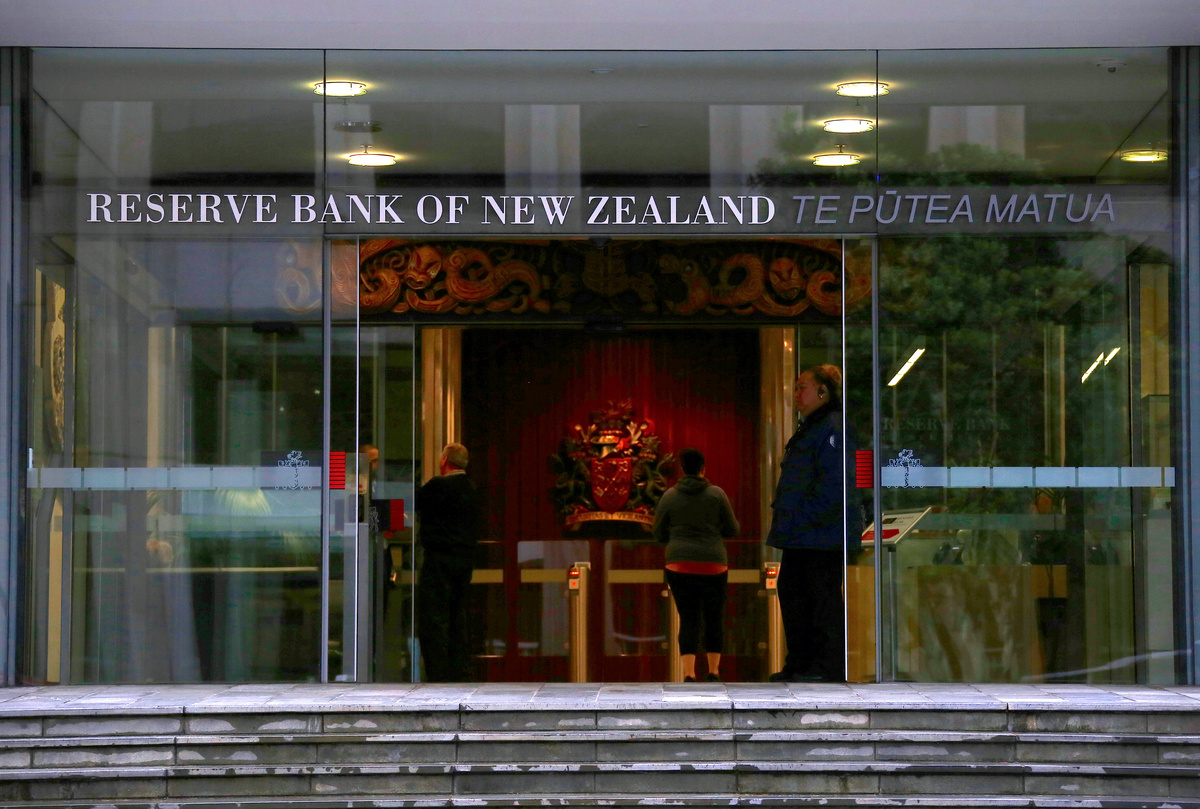
New Zealand's central bank said on Wednesday it will remove some temporary liquidity facilities it had put in place during the COVID-19 pandemic, as a result of improving market conditions.
The Reserve Bank of New Zealand (RBNZ) said it will remove the term auction and corporate open market operation (COMO) facilities, which allowed banks to borrow money in exchange for eligible corporate and asset-backed securities.
"Financial market conditions have improved significantly since March 2020 when these facilities were introduced and the usage of these special facilities has been very low in the last six months," said Vanessa Rayner, head of financial markets at RBNZ.
RBNZ's quantitative easing programme, its term lending facility, and a Funding for Lending programme for banks has already resulted in a significant increase in liquidity and a lower cost of funding for banks, the bank said.
The decision to remove these facilities will not affect the bank's stance on monetary policy, Rayner added.
The New Zealand dollar and government bonds have rallied in the past few weeks amid speculation of a quicker end to stimulus and a move towards a hike in interest rates.
The central bank, however, has looked to temper market speculation, saying it was in no rush to tighten monetary policy.
(Reporting by Arundhati Dutta in Bengaluru; Editing by Shinjini Ganguli and Jonathan Oatis)