Battle lines have been drawn for the New Zealand election after a budget described as austere by its opponents, and responsible by Finance Minister Nicola Willis.
The NZ Herald has called it the boring budget, the broccoli budget, and the "most uninspiring election year budget in at least a decade".
That is by design.
Ms Willis unveiled her third budget on Thursday, less than six months from the November 7 election, which perfectly captures the coalition's pitch for a second term.
The right-leaning grouping of National, ACT and NZ First say they are cutting the country's cloth appropriately for the moment.
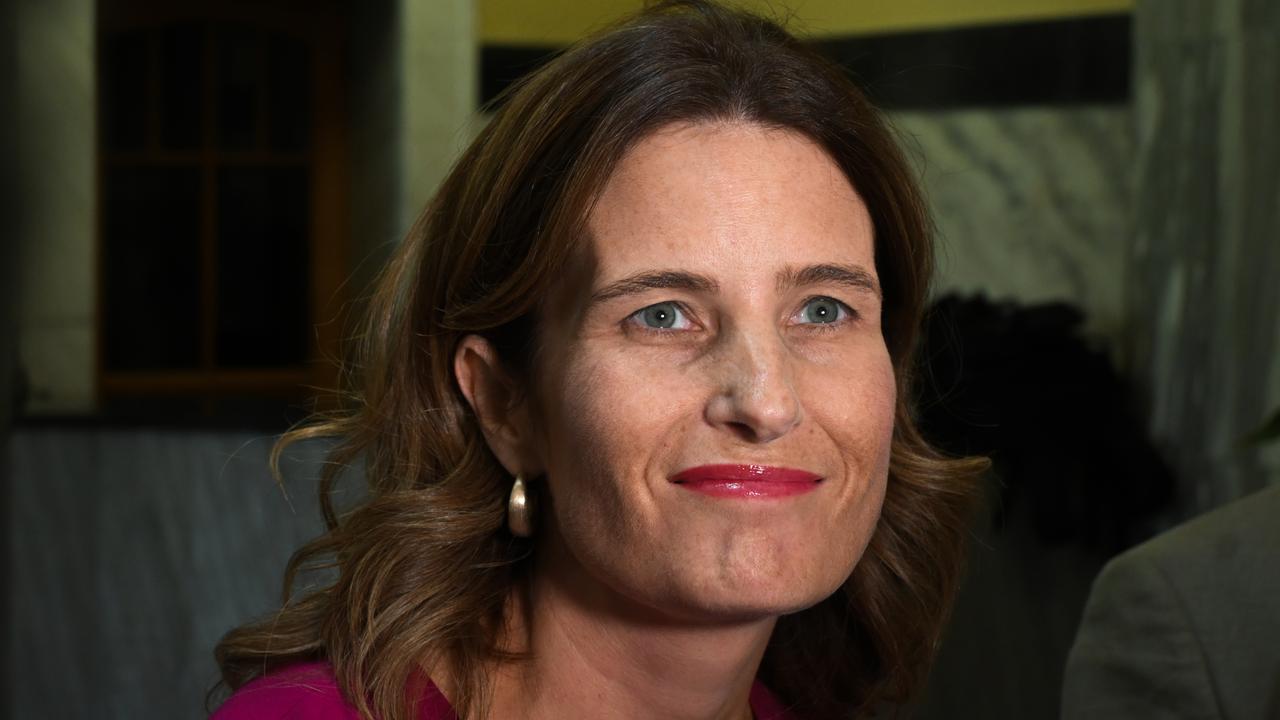
"This is a responsible budget," Ms Willis said to open her budget speech, using the same descriptor seven times in her address.
The centrepiece is new capital spending: new or upgraded hospitals in several North Island cities, $NZ1.8 billion for a new Waikato highway, railways and classrooms.
But the government is also busy championing what they're not spending.
It plans to shrink the public service by almost 9000 workers, or one-in-every seven employees, by 2029.
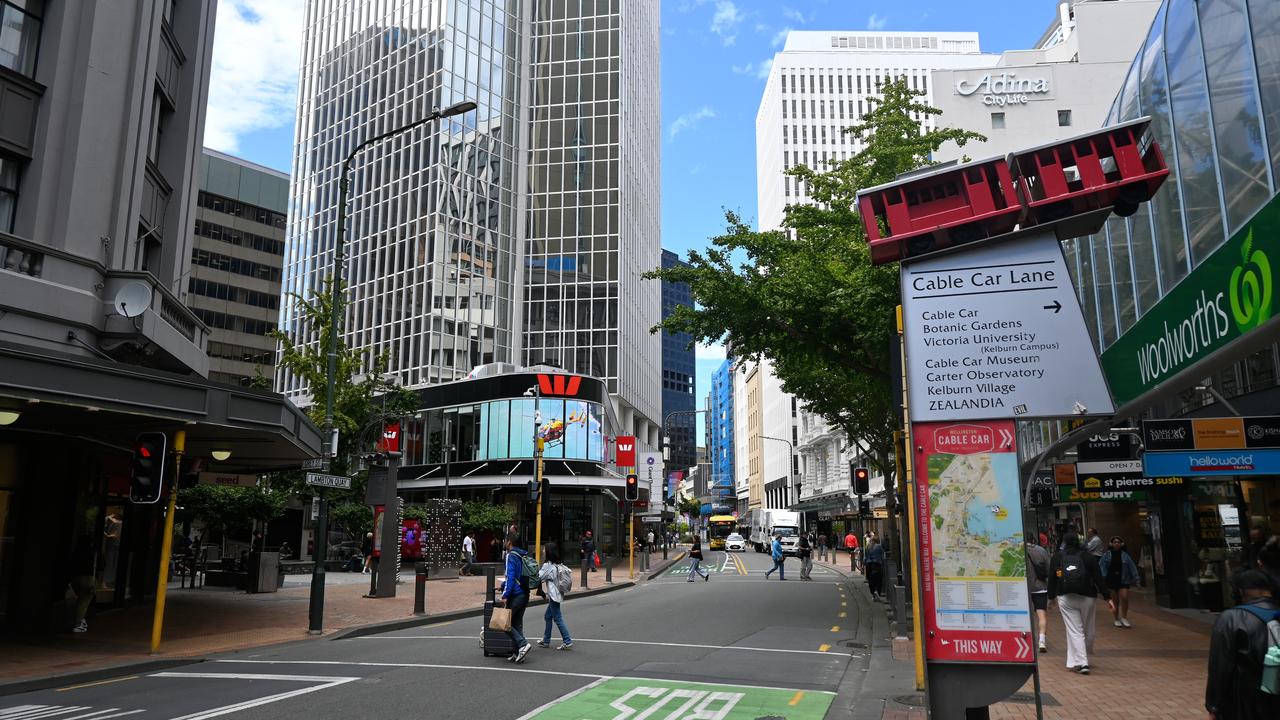
To achieve that, most agencies will be cut by two per cent in 2027, and five per cent in each of the following two years - cuts that Labour and their would-be partners in government, the Greens, are opposing.
This, essentially, is the question at the heart of the November poll.
Do Kiwis want a bigger government which can do more for New Zealand, or a smaller state and smaller tax bill.
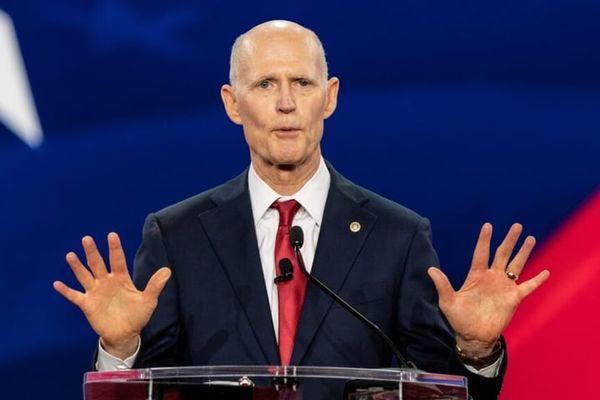
"Without fiscal discipline, we can't have anything else. It's as simple as that," Prime Minister Chris Luxon told parliament in his own budget address.
At every opportunity, Mr Luxon alleges financial mismanagement by Jacinda Ardern's Labour-led government, which spent big on pet projects pandemic protections.
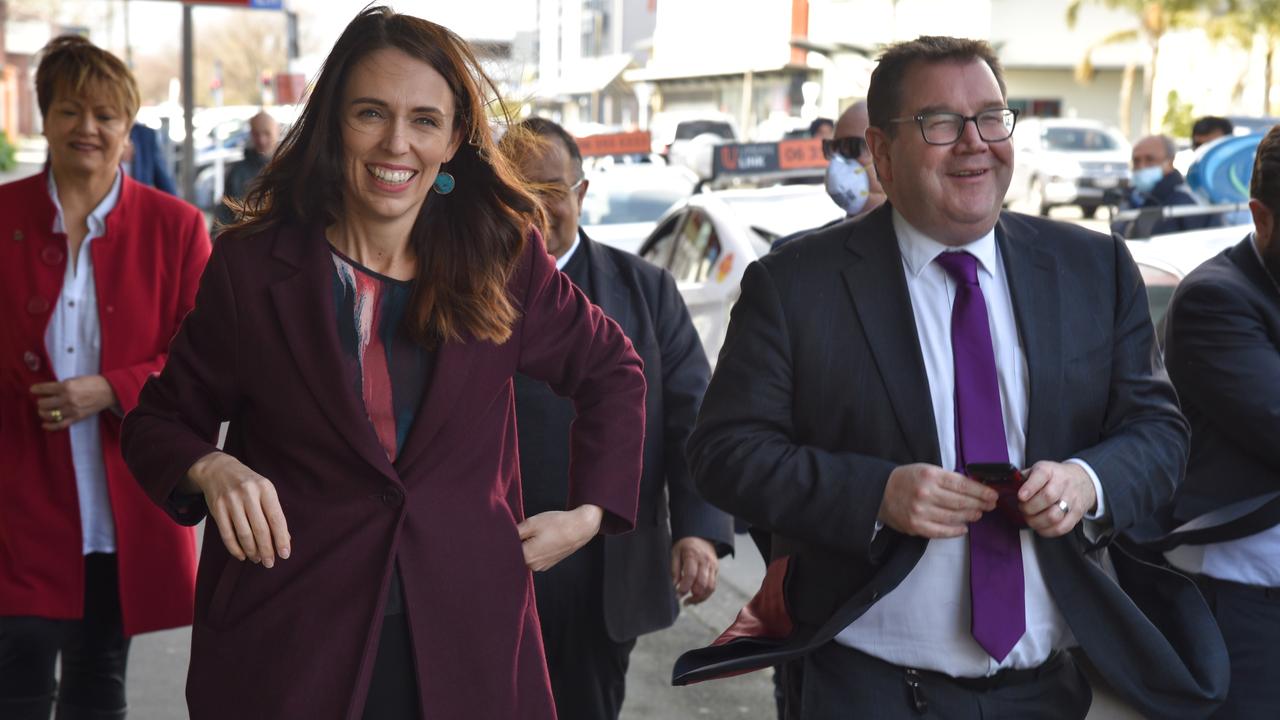
This budget also ends one of Ms Ardern's signature policies - her "fees free" year of tertiary education, which the coalition argued did not widen access to university but came at great expense.
Mr Luxon argues NZ's debt pile belongs to Labour, not the coalition, despite deficits blowing out to near-COVID levels under their watch without similar crises to manage.
GDP growth has been bumpy, with several quarters in reverse, while unemployment has also grown, from 3.9 per cent at the last election, to 5.3 per cent.
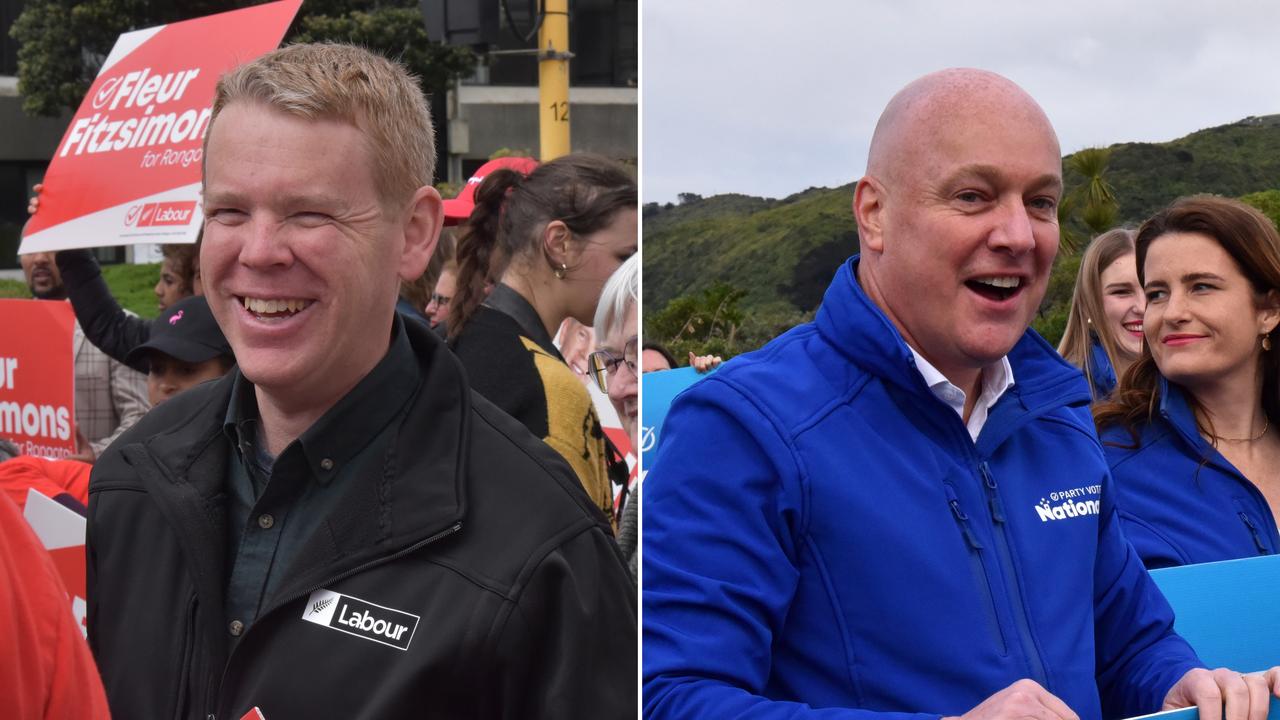
Opposition leader Chris Hipkins - also Mr Luxon's predecessor as prime minister - says those metrics show the former Air New Zealand chief executive cannot manage a country.
"That is the legacy of this government: higher inflation, lower economic growth, higher unemployment, higher debt - that is what National leaves New Zealand," he said in his budget reply.
"Forty thousand fewer people in jobs today than there were when National became the government. That is their track record: business liquidations at a 15-year high."
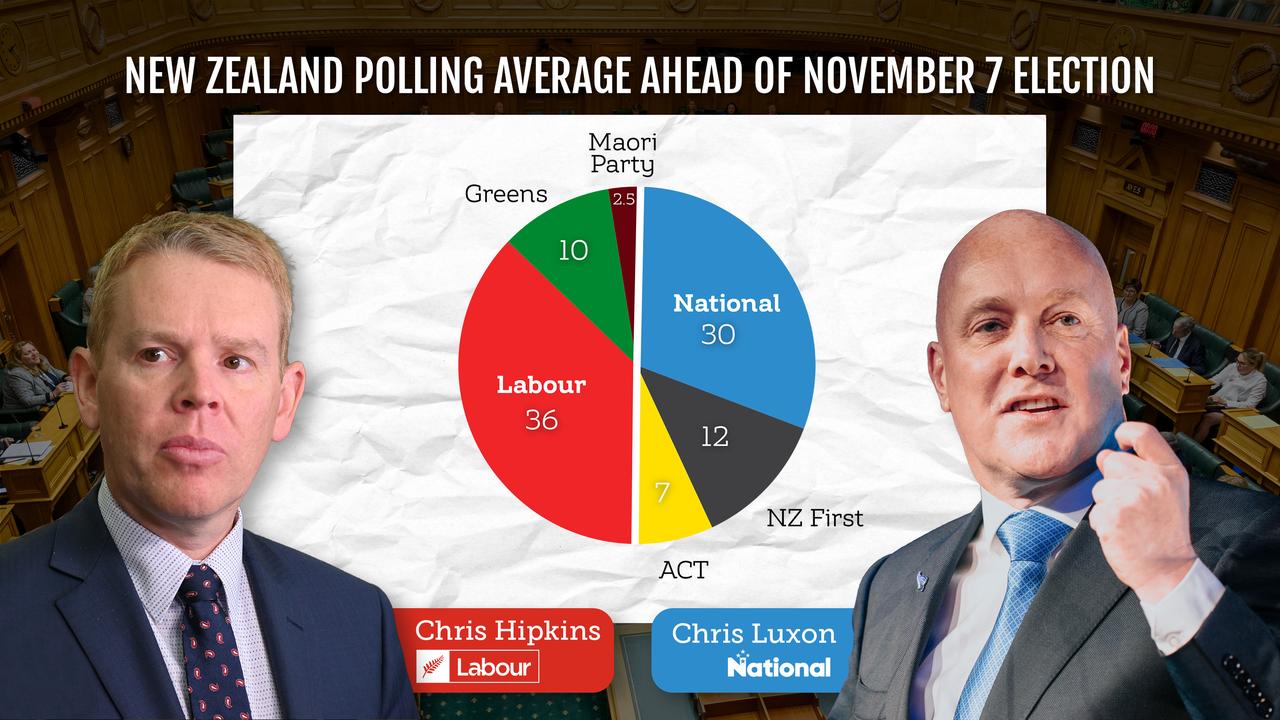
In terms of the budget's politics, the coalition will hope that its smaller-than-expected spending snookers Labour.
Labour is yet to reveal much of its policy offering - arguing it needs to see the budget to know what it can offer Kiwis - and may now feel like it cannot pitch big-spending plans to the electorate without being whacked as financially irresponsible.
Ms Willis gave of a warm-up of the attack line on Friday morning.
"On November 7, my message is the other guys don't have a plan other than to go back to more borrowing, more spending, more debt that will put you and your family and the future of our country at risk," she told Newstalk ZB.
"Don't put it at risk. Stick with the team that are making progress.
"It's been tough but we are delivering on our plan and that's going to get New Zealand ahead."
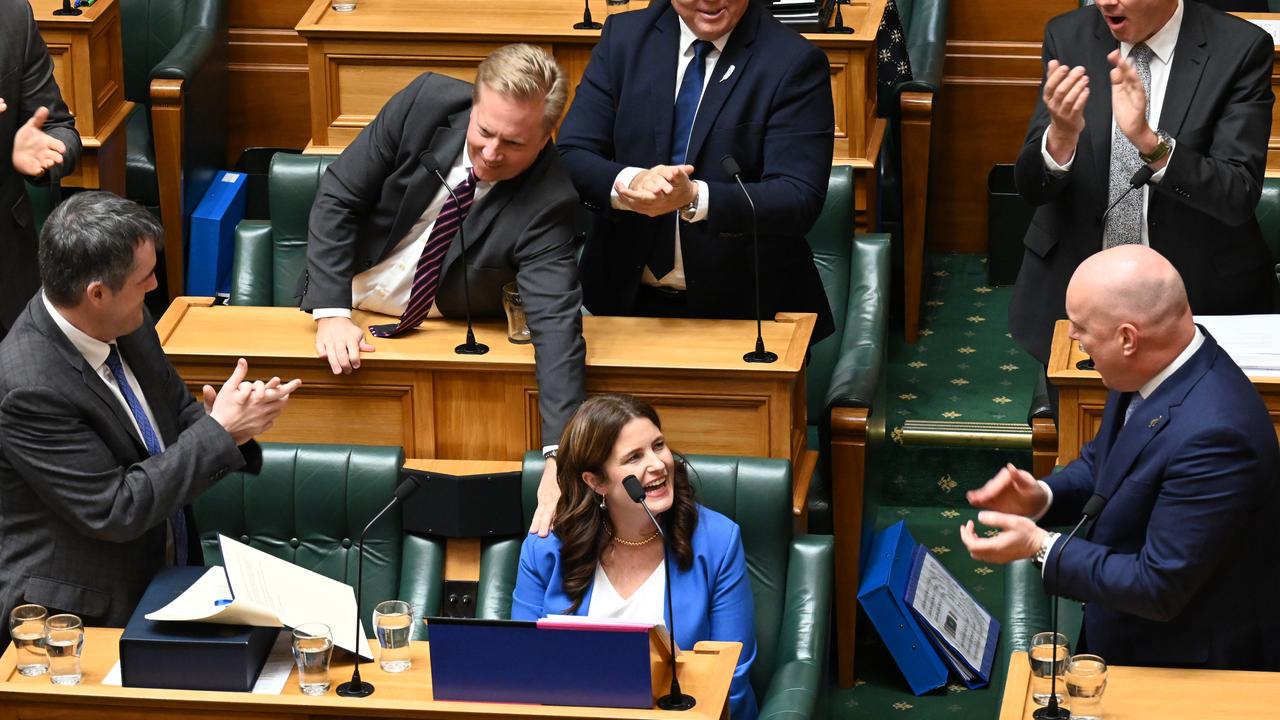
National and its coalition partners can campaign on an earlier forecasted surplus, with a $NZ2.6 billion forecast in 2027/28.
However, that is a heavily caveated return to black.
Firstly, it is only a projection, subject to any number of world events which could blow it off course - including a prolonged US-Iran standoff keeping the Strait of Hormuz closed.
The 2027/28 surplus is also only being brought forward after it blew out earlier in their term.
It also relies on an accounting trick from Ms Willis' first term which excludes a key government agency from its figures.
The coalition has adopted the "OBEGALx" figure as its benchmark, which removes New Zealand's Accident Compensation Corporation scheme from calculations.
While the no-fault personal injury coverage scheme is a feted part of Kiwi life, it costs a few billion dollars each year.
Under OBEGALx, the current year's deficit is $NZ11.9 billion and the 2026/27 year is $NZ11.4 billion, with a $2.6 billion surplus forecast in 2028/29.
But using the traditional OBEGAL figure, this and next year's deficits blow out to a combined $NZ30.7 billion, and a surplus is not realised until 2029/30.
In any case, economic analyst Bernard Hickey said any surplus was "reliant on rosy forecasts" including 2.7 per cent annual growth in future years.
Those GDP figures might matter less than the ones coming up before November 7, with the Reserve Bank tipping this week that NZ will grow by just 0.2 per cent in the six months leading up to the poll.
Not what the doctor ordered for the coalition, which only sharpens the question for Kiwis this election: who do they want to manage their economy?