Nvidia Corp, whose semiconductors power data centers, autonomous cars and robots, said on Thursday it plans to enter the market for technology that helps cars with automated lane-keeping, cruise control and other driver-assistance features.
The move, announced as part of the chip company's annual conference, which was held online this year, represents a change in direction for Nvidia. Until now, the Santa Clara, California-based company has supplied key technology aimed at making autonomous vehicles that require much more sophisticated computers.
But such vehicles, some of which are known as "robo-taxis," remain years away from mass adoption. Even before the coronavirus pandemic hammered the world economy, automakers such as General Motors Co and Ford Motor Co were dialing down their expectations for self-driving cars.
Many of the driver-assistance features that the new Nvidia system will enable, by contrast, are already available on high-end vehicles with technology from providers such as Mobileye, the Israeli firm owned by Nvidia data center rival Intel Corp.
Danny Shapiro, senior director of automotive at Nvidia, said the shift in strategy is aimed at meeting the existing needs of automakers that struggle with maintaining two systems - one for the driver assistance available today, and one for more advanced self-driving technology for the future.
The new Nvidia system means automakers will be able to use one system for both, saving engineering efforts and using some of the self-driving technology to improve the driver assistance functions, Shapiro said.
“We have a single architecture that will enable the automaker to span every potential level of automation they want to deliver and put that software-updatable system in every single vehicle,” Shapiro said.
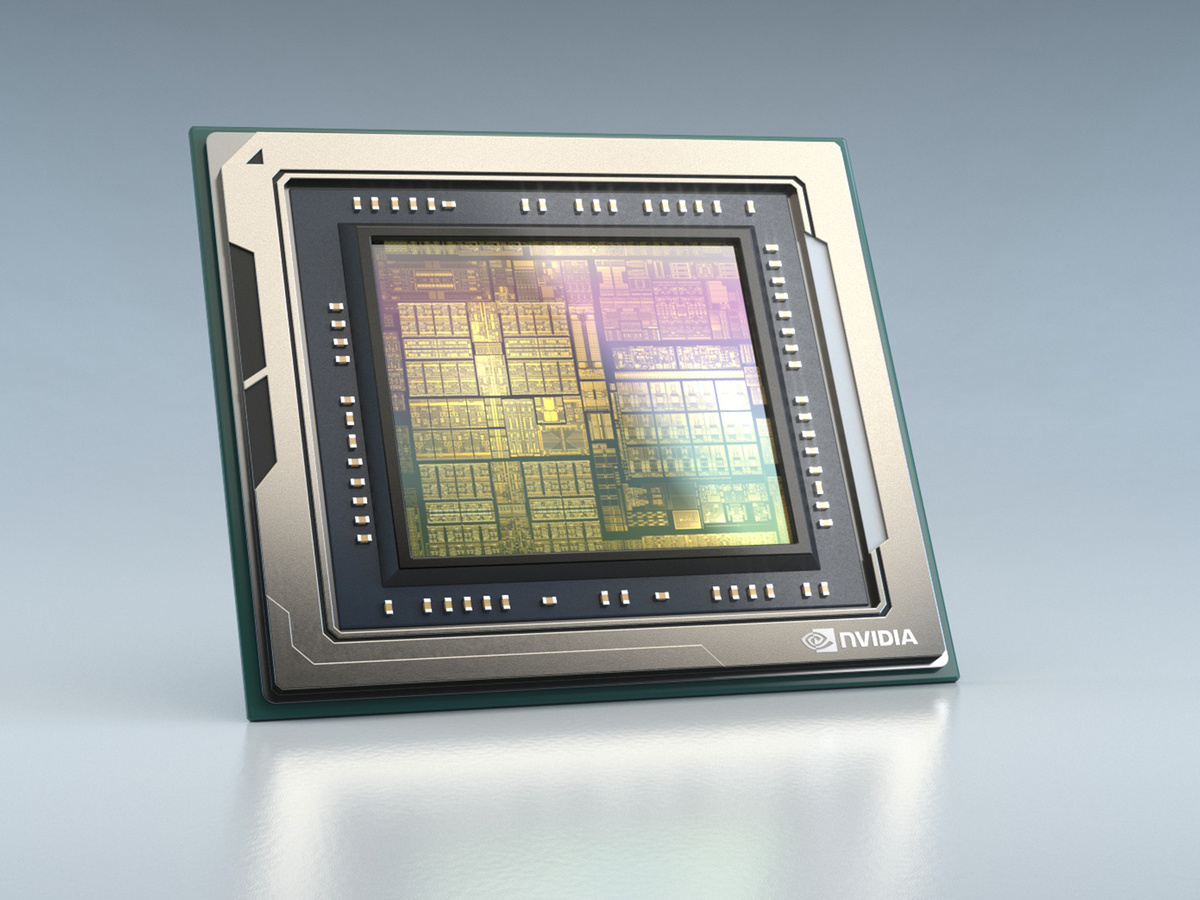
Nvidia's new self-driving technology uses the "Orin" processing chip the company launched in December. Shapiro said he expected vehicles using the system could start production in early 2023.
Shapiro declined to comment on pricing or potential automaker customers. However, he said the Nvidia chips will be part of a larger system that includes cameras and will likely be built by traditional automotive suppliers such as Continental AG, ZF Friedrichshafen AG or Robert Bosch [ROBG.UL].
"We're the (artificial intelligence) brain that would go into this," Shapiro said.
(Reporting by Jane Lanhee Lee and Stephen Nellis in San Francisco; Editing by Leslie Adler)