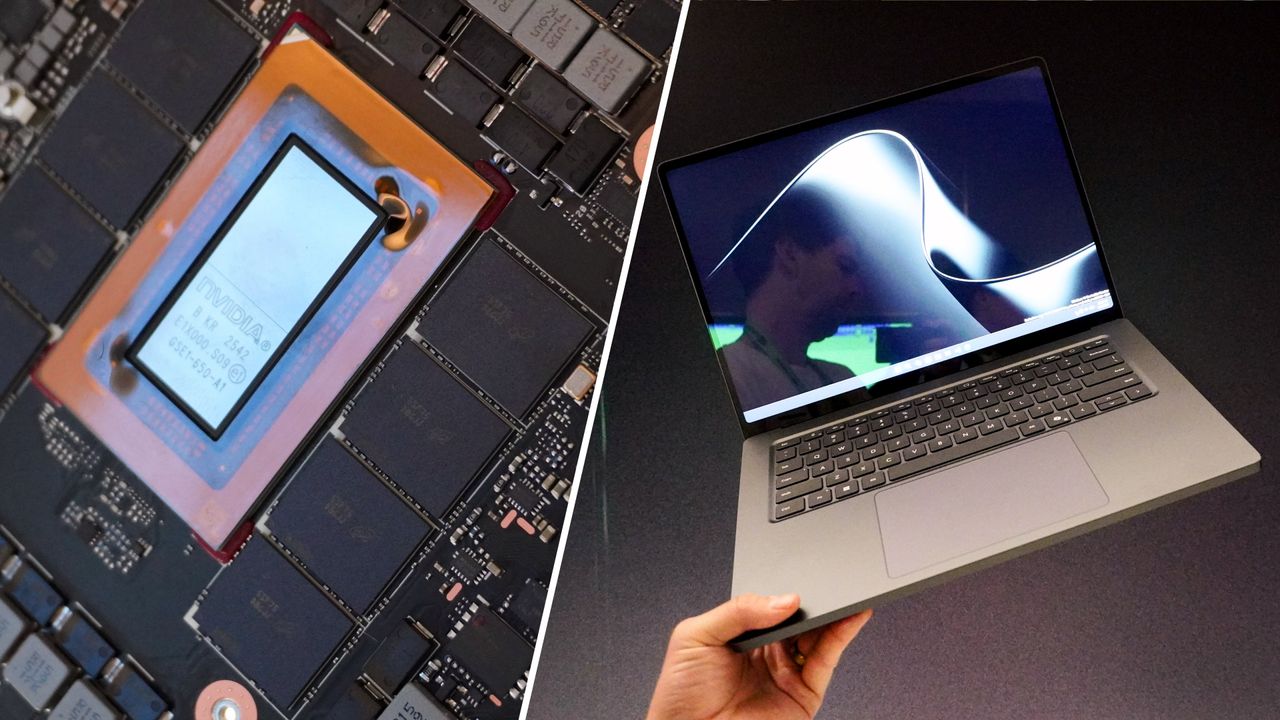
Nvidia's ARM-based gaming laptops powered by the RTX Spark is around the corner and appear to be ready to launch thanks to new Geekbench listings.
The new ARM-based CPUs were first revealed at Computex in May by CEO Jensen Huang. "Our focus is to reinvent the PC. Windows is of course improving, but the basic architecture of a PC has largely been the same now for about 40 years, and we want to reinvent it," Huang told Tom's Guide.
How that looks is starting with an Arm-based design over the conventional x86 architecture, but Nvidia does have experience in that realm. The company already makes Arm gaming chips that power the Nintendo Switch 2.
The RTX Spark platform is starting out on a range of Windows gaming laptops and mini PCs with a focus on gaming and agentic AIs. It should have fairly low power consumption.
Geekbench scores revealed

Two different Geekbench listings reveal results for the RTX Spark N1X processor in 20-core and 18-core configurations.
If we focus on the 20-core configuration, it returned surprising scores with a single-core of 2,593 and a multi-core score of 23,424. The multicore is fairly impressive, comparing favorably with Intel's i9-14900KS, which managed a score of 23,785 in the same test.
View the full results here, though I will note that the final production scores might differ.
If you're unfamiliar, Geekbench measures how well the processor handles everyday tasks by running a bunch of simulated workloads from processing numbers to crunching numbers.
Single-core is all about how fast the CPU handles one task at a time, like editing a photo. Multi-core kicks in for multitasking like running several apps or rendering by using all the chip's "cores."
Here's how those numbers compare to Apple's M5, the newer Qualcomm Snapdragon X2, and Intel's Panther Lake chips.
Single core |
Multicore |
|
|---|---|---|
Nvidia RTX Spark |
2,593 |
23,424 |
Apple M5 |
4,288 |
17,926 |
Intel Core Ultra X9 388H |
3,031 |
17,283 |
Qualcomm Snapdragon X2 Elite (18-core) |
3,838 |
20,301 |
Surprisingly, the RTX Spark performs well against the M5 and Intel X9 in multicore. Moving up to the M5 Pro and Max gets you higher scores. The same goes for the higher-end Qualcomm Snapdragon X2 Extreme, which has recorded over 25,000.
Still, the RTX seems like it will compare favorably with most every chip on the market.
Where it seems to fail is in the single-core, where scores are significantly lower. It seems it might feel sluggish in those single tasks, but running multiple apps is where the RTX Spark might shine.
This is a pretty good indication of how the RTX Spark platform will handle CPU-heavy tasks. It doesn't tell us the whole picture, especially when it comes to gaming, but we do know the GPU will support DLSS 4.5.
RTX Spark laptops are supposed to arrive later this fall with Windows 11 out of the box. It should be compatible with most Windows games, and Nvidia is reportedly ensuring the chip will work with common anti-cheat and DRM software.
Nvidia has already confirmed that it will launch with laptops from Asus, MSI, Microsoft and more.
More from Tom's Guide
- Nvidia RTX Spark is here, and it's going to 'reinvent the PC' — here's everything you need to know about this all-new laptop chip
- Intel Arc G3 is here to shake up handheld gaming, and AMD should be terrified — Acer Predator Atlas 8, a new MSI Claw and more launching soon
- I tested the Intel Core Ultra 7 270K Plus and 5 250K Plus against AMD’s best gaming CPUs — this should be a mismatch, but the results shocked me