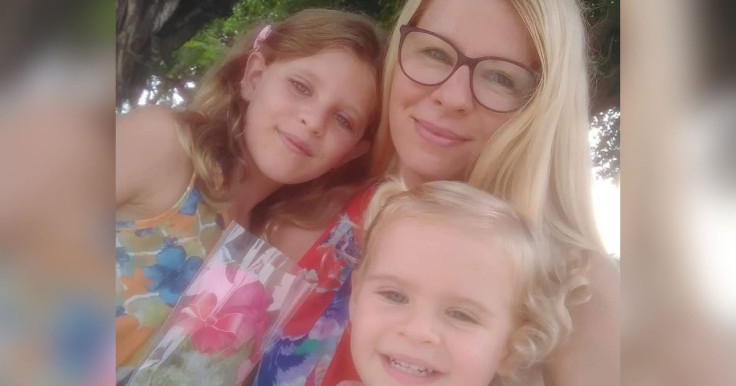
The death of anti-corruption activist Monika Silva Koniuszek has taken a dramatic turn after new forensic findings challenged initial claims that she died by suicide.
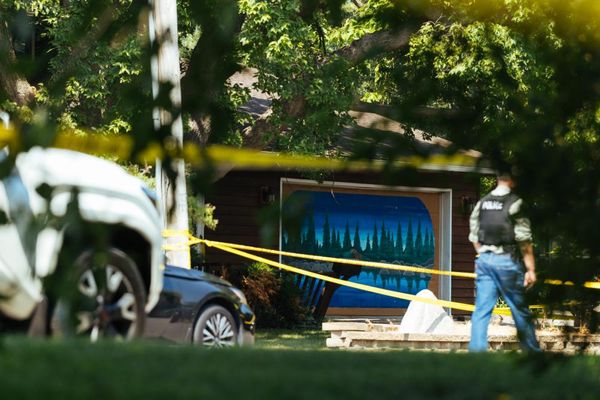
The Polish-born campaigner, who had spent years exposing alleged corruption and environmental abuses in Ecuador, was found dead in her home in Montañita on 8 June.
Ecuador's interior minister, John Reimberg initially suggested investigators believed the death was self-inflicted, citing evidence reportedly found at the scene. 'The necessary evidence to reach that conclusion was found at the scene,' the interior minister said to local news media Radio Americana.
However, later autopsy findings pointed to a violent death, triggering demands for a full murder investigation. Lita Martínez, Ecuadorian Centre for the Promotion and Action of Women director, said, 'Based on the forensic reports, we are certain that this was a violent death; therefore, the alleged suggestion that it was a suicide falls apart.'
Monika Silva Koniuszek's case has drawn international attention in connection with the subjects she was investigating before her death. Activists, human rights groups, and friends have all argued that her work placed her in danger, especially after she reportedly examined allegations involving the family business of Ecuadorian President Daniel Noboa.
A Campaigner Who Made Powerful Enemies
The 41-year-old Monika Silva Koniuszek was well known in Ecuador's Santa Elena province for her activism. Her social media profiles say, 'You don't need to be born in Ecuador to love it and defend what is right.' She founded the Fundación La Integridad, which believes that the 'true root of the problem is systemic corruption and entrenched injustice.'
Koniuszek frequently raised concerns about alleged corruption, land disputes, environmental damage, and local government practices, and her work earned her a reputation as one of the region's most outspoken watchdogs.
According to reports, one of her most sensitive projects involved examining claims connected to Noboa Trading, a company linked to rightwing president Noboa's family. Activists say she was gathering information related to alleged drug trafficking, land dealings, and other suspected irregularities. Human rights organisations have stated that she had recently shared information with officials at the US Embassy in Quito before her death.
Reports of Threats and Surveillance
As scrutiny surrounding the case intensified, friends and colleagues revealed that Koniuszek had been living under pressure for years. According to activists, she received threats connected to her investigations and faced legal challenges tied to her public accusations. Several organisations later argued that authorities failed to provide adequate protection despite concerns about her safety.
Speaking to TVP Info, a Polish broadcaster, Joanna Cuper said that her friend, Koniuszek, had told her she felt 'followed and observed,' adding that they did not believe Koniuszek killed herself. 'She said that the cartels had put a price on her head. Three years ago, her then husband took the children to Brazil because she was receiving threats that she and her children would be murdered,' Cuper said.
In addition, Koniuszek's associates said she believed criminal groups were aware of her activities and that she feared retaliation because of her investigations. Human rights advocates have pointed to these warnings as a key reason the case should be treated as a potential targeted killing rather than an isolated incident.
Polish authorities requested cooperation with Ecuadorian investigators, while foreign forensic specialists have been invited to assist in reviewing the evidence. As investigators continue their work, the activist's death has become a symbol of the risks faced by those who challenge powerful interests.