Guemhyuk Kim* can’t remember the last time he had a proper shower. When the North Korean worker was sent to Russia under Kim Jong Un’s overseas labour programme, he had not imagined living inside a shipping container in abject squalor.
He is one among at least 100,000 people in the North Korean dictator’s programme forced to live and work under abusive conditions, including restriction of movement, retention of identity documents, physical and sexual violence, and intimidation and threats, a new investigation has revealed.
The 29-year-old North Korean from the capital Pyongyang says: “There’s no shower facility so we just clean off our face with a tap.” He was sent to Russia’s St Petersburg in 2024 for construction work of a stadium. He now lives 200m away from the site, with 20 of his countrymen sleeping in a cramped room inside a shipping container.
“We are chronically sleep-deprived from long shifts and brutal living conditions. The containers are infested with cockroaches and bedbugs,” he says. Showers are limited to one or two across a year, an investigation by the Hague-based international law foundation Global Rights Compliance revealed.
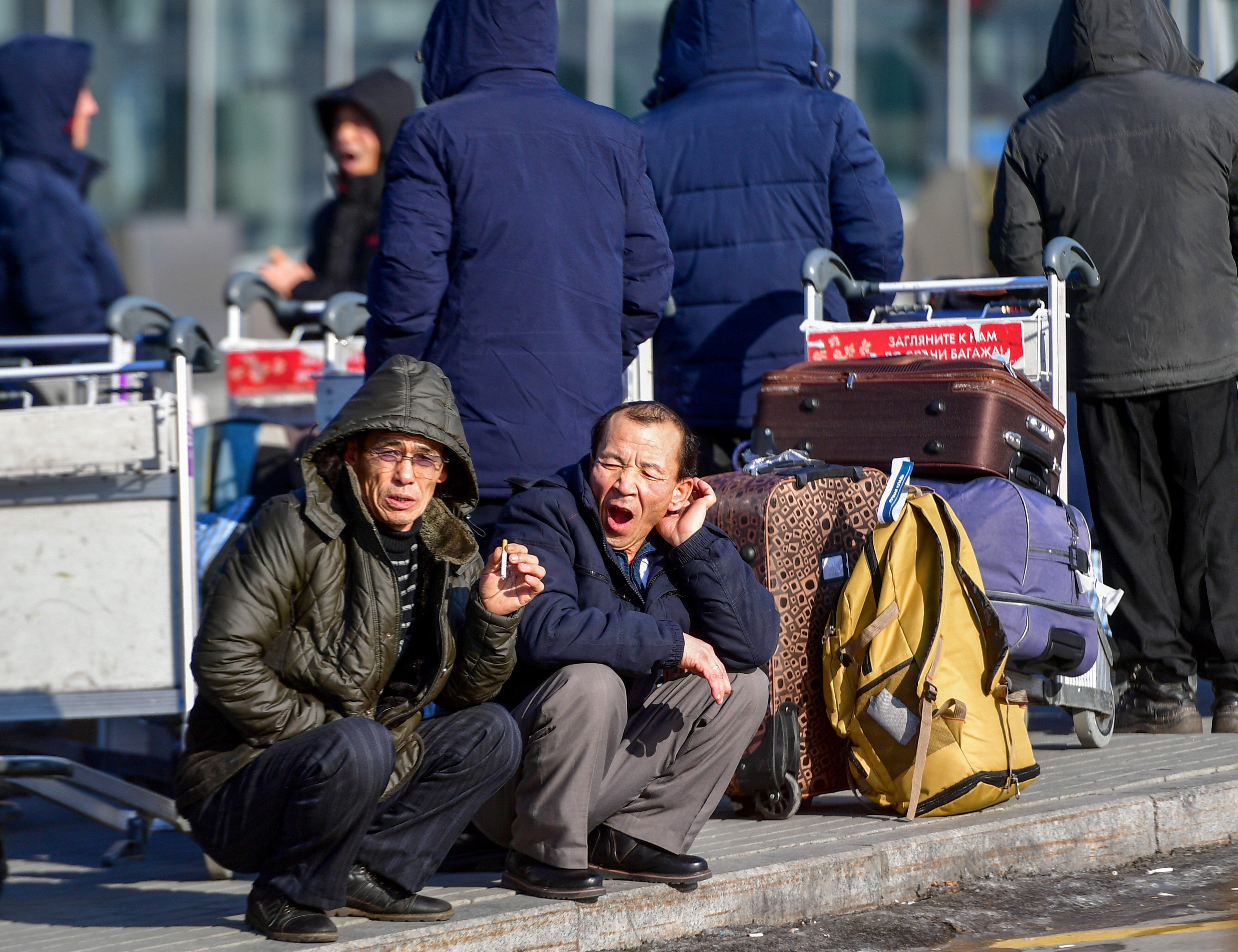
Under the programme, around 100,000 of North Koreans are sent abroad to work on construction sites, factories, and farms in China, Russia, and some African nations, experts say.
Reports suggest the programme has picked up pace in Russian cities despite a UN ban on countries accepting North Korean labourers. A 2017 UN Security Council resolution demanded that all countries send home all North Korean workers by 22 Dec 2019 to stop them earning foreign currency for North Korea's nuclear and ballistic missile programmes.
Experts say North Koreans are choosing these jobs to escape their country, which has been called “the biggest prison on this planet”.
At least 21 North Korean nationals have confirmed the life-threatening and dangerous conditions they are made to work in to meet a monthly quota “no matter what… dead or alive”, according to the investigation. The purpose of these monthly quotas imposed by North Korea on its overseas labourers is to send as much currency as possible back to the government.
The workers said they did not receive any prior information about the conditions when they were sent to Russia for these “coveted and prestigious” jobs. Some even paid bribes to middlemen, which later trapped them in debt.
They said they were made to work for up to 16 hours a day, starting as early as 7am and going on till midnight, for 364 days a year for $10 (£7.4) per month, according to the investigation shared with The Independent.
“Every afternoon, I find myself calculating whether I can meet this month’s quota. The mandatory monthly quota, locally called Gukga Gyehoekbun, levied by Pyongyang is a central fact of life for every DPRK worker abroad. Most workers had never heard of it before they arrived. I came out not knowing how much I would receive. I just thought that if I went to Russia, I’d earn money – I didn’t even know there was such a thing as a state quota,” a worker said. DPRK refers to the Democratic People's Republic of Korea, the official name of the country.
One worker said he and his fellow labourers “led lives worse than cattle”. Regardless of extreme weather conditions, they had to show up in the harsh Russian winters without any protective equipment.
Any medical issues, like injuries or illnesses, were not only ignored but also seen as “problems obstructing work”, they said.
“One of the workers told me that once he got badly hurt on his arm but then all he was given to treat his wound was salt water, and he had to just either pour it or consume it. He also had to work immediately after the incident because he knows that his quota needs to be met,” says Yeji Kim, an advisor for DPRK at the Global Rights Compliance.
“He was worried that if he's not covering his part, then his colleagues will have to step up for him, and that creates tension between them,” she says.
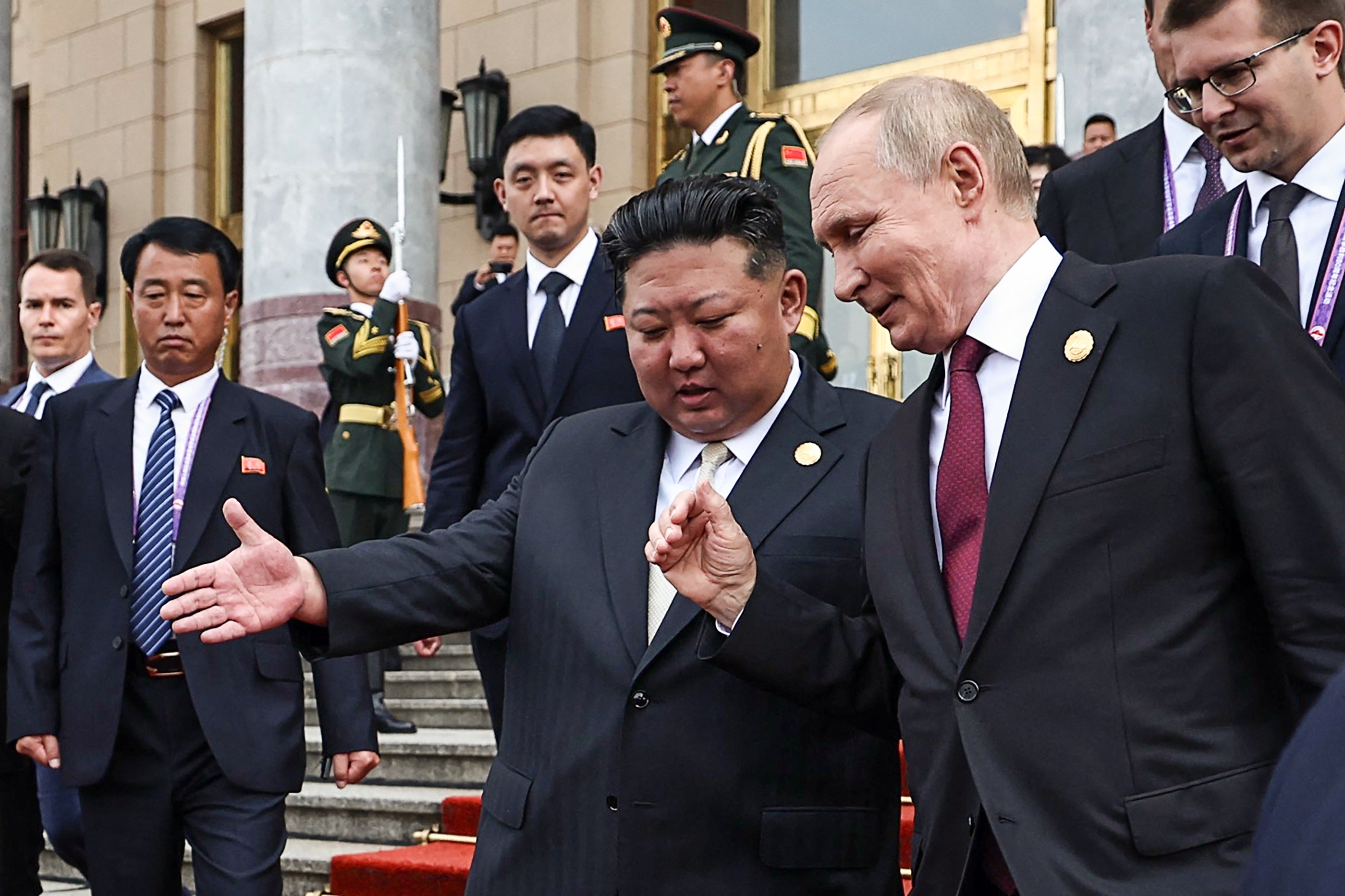
He was one of thousands of North Koreans who are paying the price of Vladimir Putin’s war on Ukraine, which has led to a severe labour shortage in Russia stemming from battlefield losses, mass military mobilisation, and an exodus of workers to other countries. Putin, who launched the invasion more than four years ago, has struck a “quid pro quo” agreement with Kim.
“They send workers, extract quotas, receive hard currency, but also it is functioning as a form of a diplomatic currency to the host states in return for labour. Russia has reportedly provided technical assistance for North Korea's spy satellite programme reported by South Korean National Intelligence Agency NIS alongside air defence missiles and electronic welfare welfare equipment, right.
“Kim Jong Un wants these workers to be alive and then if they don't comply, whatever the rules and quotas they need, there is a risk that they will be sent to this political prison camp because it's very arbitrary punishment,” she says.
These labourers are picked not on the basis of their physical capacity but for their loyalty to the Kim regime, the report says. Those with wife, children and elderly parents are picked more often than others to ensure that if they defect, the consequences of disobedience are borne by their family members, Yeji says.
The workers told GRC that they were also made to spy on one another, leading to physical clashes.
If they managed to be in an environment where they could use smartphones, the North Koreans ended up watching a lot of South Korean content on YouTube, the report says.
The “spies” among the workers reported people who browsed the internet or watched American or Korean films, or sexual content. “Those individuals are punished by the North Korean authorities depending on the severity – tagged and sent back to North Korea," the report said.
“They watched videos on Korean escapees already settled in South Korea, movies, and also massively binged on pornographic content because for them, it is like a whole new world they weren’t able to access so far,” the DPRK advisor says.
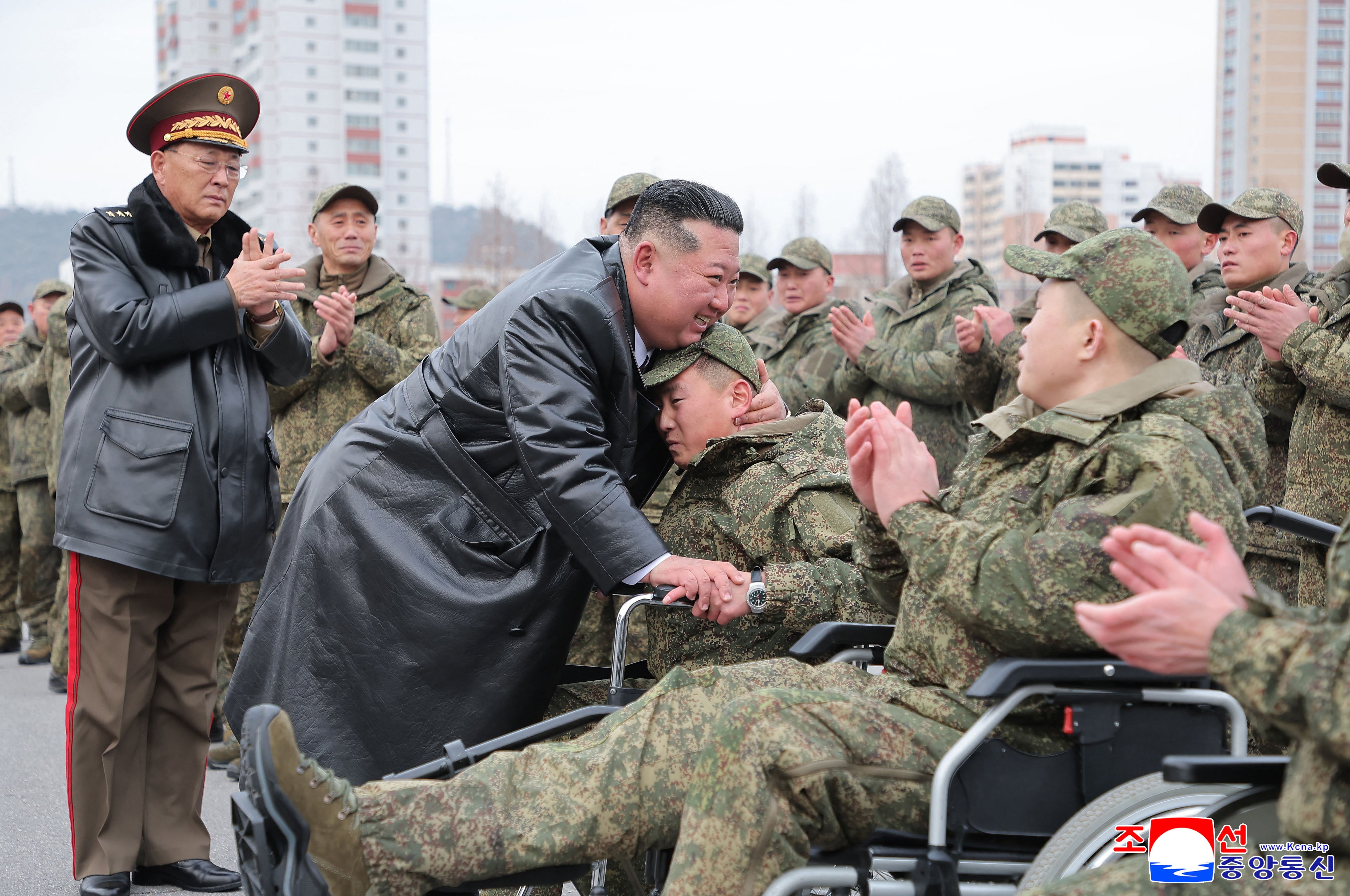
Their fate is similar to the North Koreans sent to fight the Ukrainian army on behalf of Russia.
“The biggest similarity between this military recruitment route and this overseas labour route is that they actually have very little information where they're going to be sent to. They do suffer from general fear of low visibility of what they will actually end up doing in Russia,” Yeji says.
*Guemhyuk Kim’s name has been changed to protect his identity.