
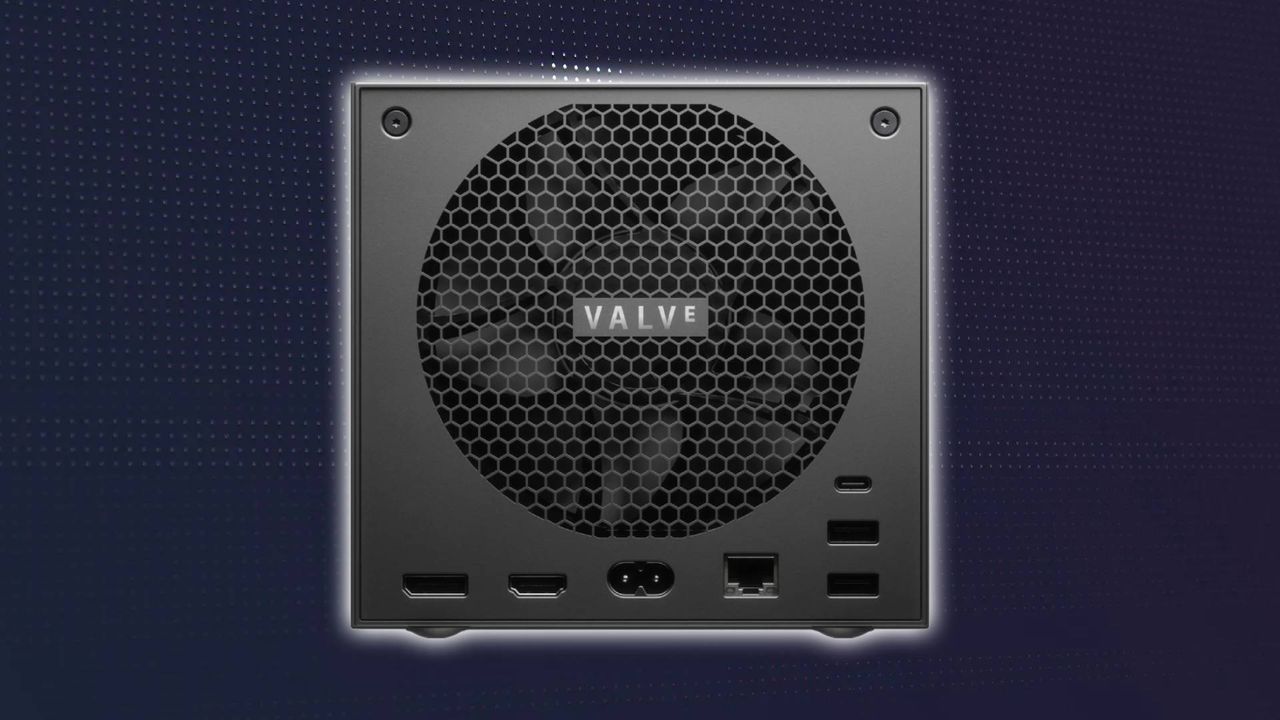
The internet at large seems to think you can build your own Steam Machine. I hate to burst your budget PC bubble, but that's not actually true, and any attempts to do so will simply result in you assembling a rig that's substantially larger, not quite as sleek, and more like a traditional desktop than a console rival.
All the build-your-own Steam Machine conversations are part of an annoying tradition within the gaming PC scene. The arrival of a new console normally kicks off a ritual that prompts anyone who writes about hardware online to lure you in with supposed DIY alternatives. It's really no different from when the PS5 launched and a sea of voices washed in with advice on how to make a PC with equivalent specs, but the situation that Valve's cube has sparked is slightly different.
Don't get me wrong, I'm more than up for finding alternatives to the $1,044 Steam Machine. At the same time, the fact that Valve's cube is technically a gaming PC will sow confusion around what's going on inside the box and whether you can replicate that using stock parts. Again, you can't, and I reckon it's helpful to set expectations before things get out of hand.
The Steam Machine is smaller than you'd think
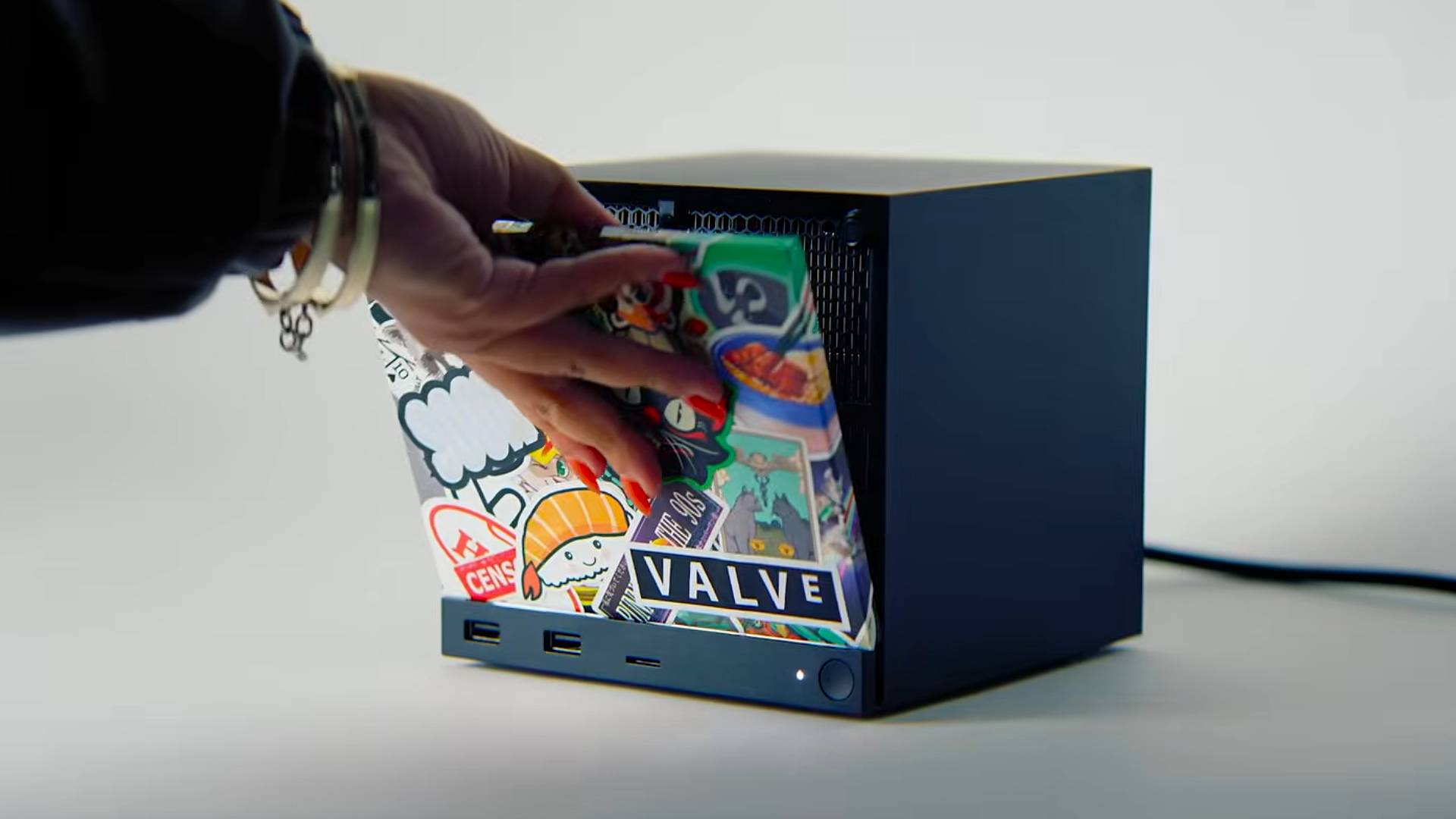
The single most important detail PC enthusiasts claiming you can build your own Steam Machine is size. Valve's box is small, and it's hard to grasp just how tiny the cube actually is from marketing images and on-paper dimensions alone.
Now that Steam Machine reviews are alive, and early adopters are pitching up the cube next to real life setups, its footprint is being accurately portrayed. Even early hands-on features and articles didn't quite capture Valve's dimensions for me, though, as I'm the type of weirdo who was itching to sit the box next to everything I can get my hands on.
Thankfully, Giant Bomb understands the assignment and quickly shared a Steam Machine size comparison video post-launch. Keep in mind I'm also the editor responsible for talking about the best retro consoles, so I was extremely pleased to see Dan Ryckert hold Valve's cube next to the only other cube that matters: the GameCube.
Alright, some of Dan's points of comparison are less useful than others, as the Tetris McNugget handheld probably didn't need to meet the Steam Machine. However, seeing the 3.5-litre cube next to the Steam Deck OLED, Xbox Series X, and yes, even a loaf of sliced wholewheat bread, drives home this system's commendable compactness.
Valve's Steam Machine dimensions are kudos-worthy for sure, but it's the type of feat that can only be achieved by the same custom engineering traditionally reserved for the console scene. Aside from the RAM and storage, Valve's mini PC is a compacted lump of unupgradium, and that's exactly what's supposedly 4K 60fps capable parts fit into a six-inch cube.
More like a console than a traditional mini PC
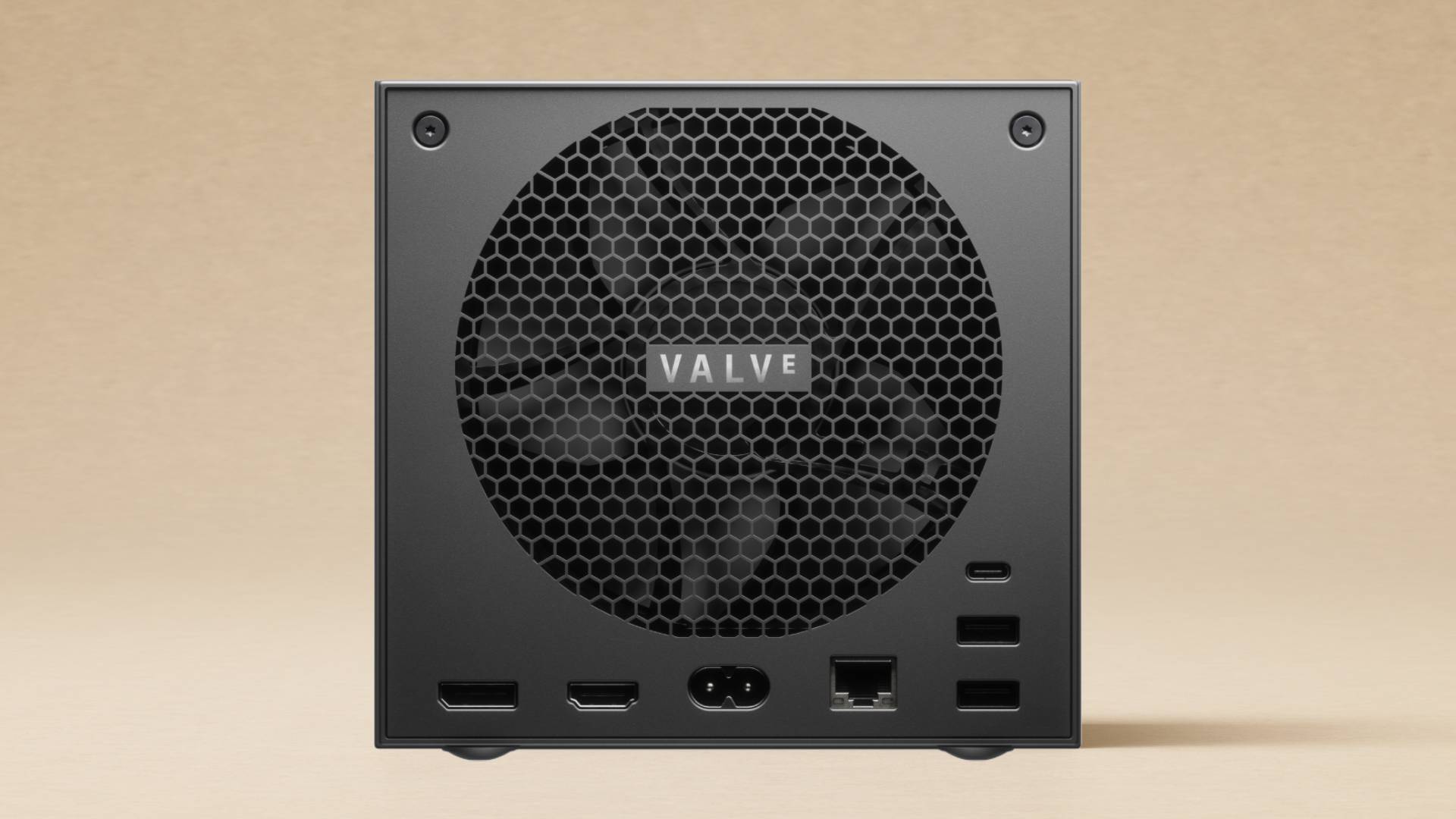
Yes, the Steam Machine is adorably small, but it ain't the smallest "mini PC" in town. There's a sea of tiny systems out there that will technically run your Steam library, and I've tested remarkably tiny boxes like the Ayaneo Mini PC AM02. The issue is that these gadgets have more in common with a gaming handheld than Valve's new hardware, and the closest comparison point to what's going on inside the box really is a modern-day console.
The difference in my eyes boils down to the Steam Machine's custom AMD chipsets. Most mini PCs, consoles, and handhelds use an APU, or "Accelerated Processing Unit" that combines the CPU and GPU into one package. That may have you thinking the PS5 and something like the Steam Deck have more in common than the Machine since they both use an APU, but in reality, it comes down to performance class.
The Steam Machine features two semi-custom AMD chips for graphics and processing, whereas most "mini PCs" out there either opt for a mobile-class APU or try to somehow squeeze in a full-size GPU. The latter is the domain of systems like the AtomMan G1 Pro, which stows away a desktop RTX 5060 GPU, but that means it takes up a much wider footprint than something like the Steam Machine.
The common alternative is the AMD Ryzen APUs used in systems like that aforementioned Ayaneo mini PC. That chip can live in something significantly smaller than the Steam Machine, but you're then getting performance that feels more like a screenless handheld with an HDMI port and access to full power supply wattage. I'm sure that said chipsets will eventually reach new performance heights, but honestly? Even 1080p can make this genre of devices sweat in recent games.
It's for that reason that, despite using a single high-powered APU rather than two chips, the PS5 is the closest setup to the Steam Machine. There are absolutely differences, as Valve's custom GPU has separate 8GB GDDR6 VRAM and 16GB system memory, whereas Sony uses a unified 16GB. However, the approach to adding custom chips to a proprietary motherboard designed to suit a specific console-friendly shell while hitting up to 4K 60fps is the same.
That's not to say the Steam Machine and PS5 are an absolute match performance-wise, as there are holes to be picked via comparative benchmarks. It's more that they share an end goal of making something that'll fit neatly in your TV bench while hitting the current-gen frame rate and resolution bar, and that matters when it comes to making your own or picking up an alternative mini PC.
Close, but no Steam Machine cigar
Just to recap, the reason you can't just "build your own Steam Machine" comes down to size and custom components. When you spell that out, it's hardly a shocker, as there'd be little point in spending $1,049 on Valve's box if it was using an off-the-shelf case and parts. But, saying it out loud matters when there's a lot of noise about making your own version, especially when many builders are just throwing standard parts at you.
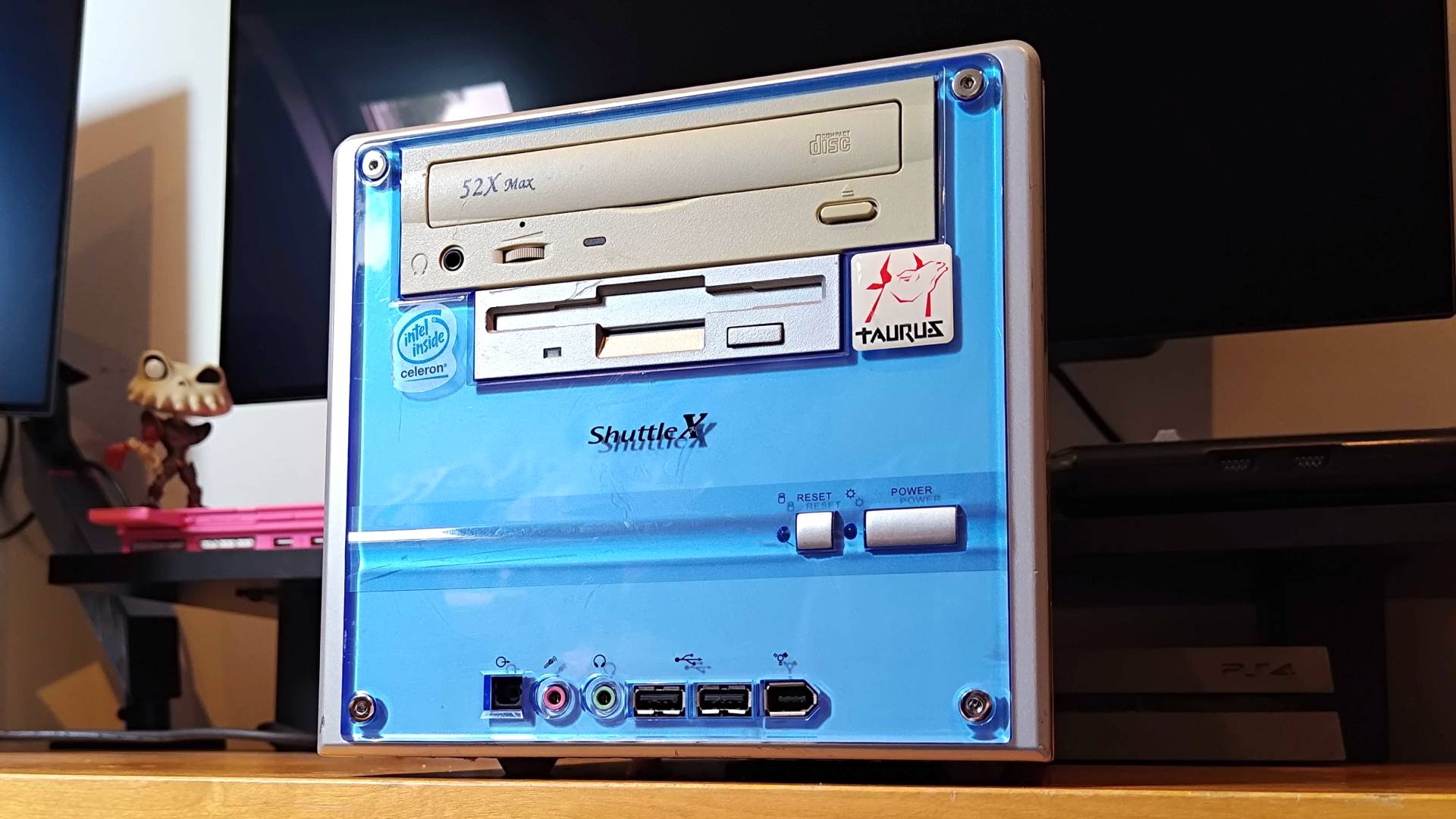
Prior to Valve's launch, I went on a personal mission to find the closest custom build. That left me wondering if I should build a modern Shuttle XPC that looks like my compact 2000s rig instead, as the long-standing compact rig builder still sells a bare-bones kit to this day for $699.99. I've been reflecting on whether, despite being 3.5 times the size of the Steam Machine, the custom template is closer to the intended experience than anything else, and it's almost a yes.
I think the part we need to get comfortable with is the idea of making a living room gaming PC rather than a DIY Steam Machine. The latter isn't any different from trying to make a PS5, and you've got even less chance of making the same kind of 4K gaming machine that fits into a 3.8-litre cube.
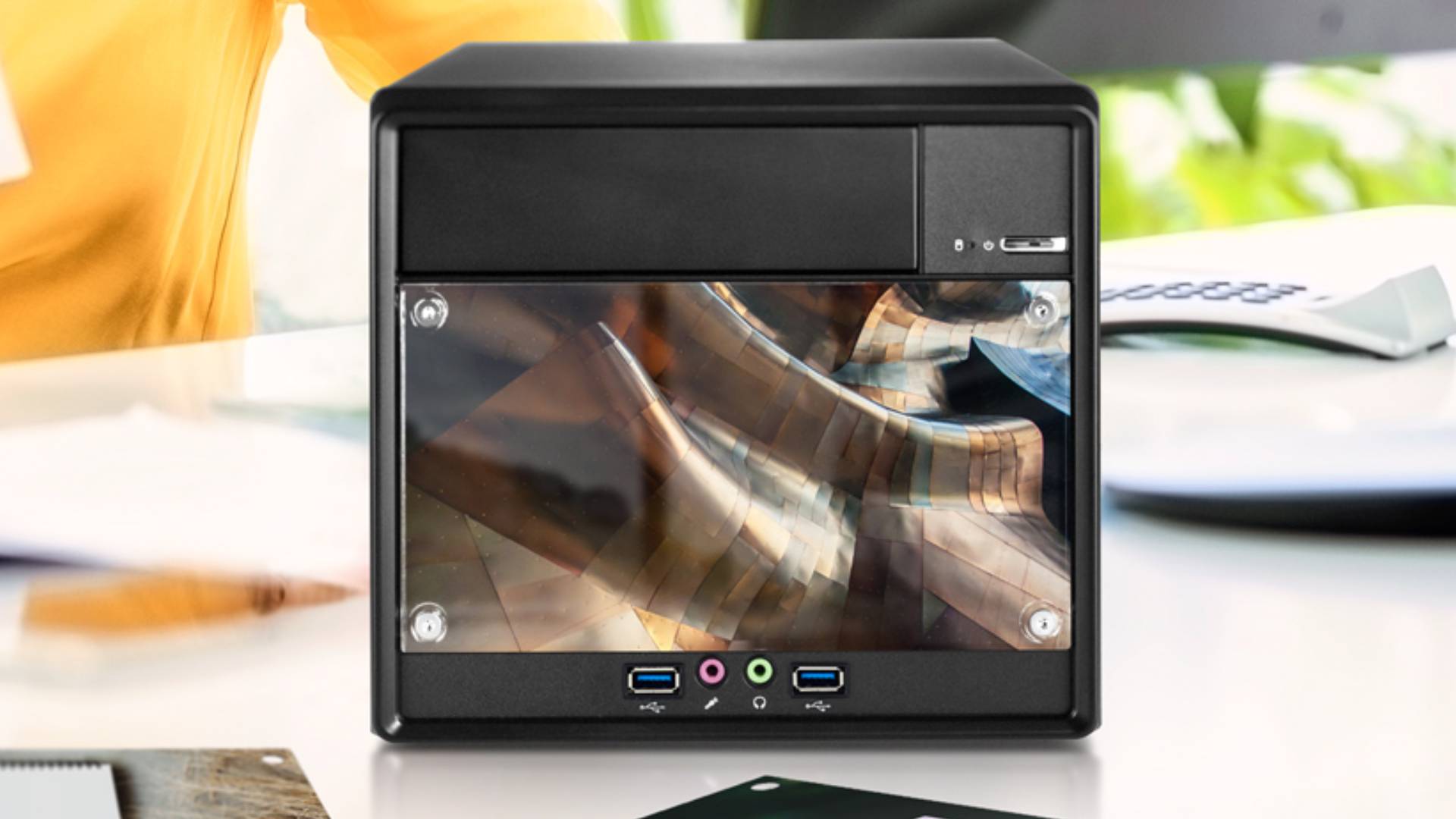
If you instead aim for something that can sit next to your TV or on a cabinet shelf without looking that an intrusive obelisk, you'll have a much better time. What I will say, though, is that it'll be up to you to manage thermals and resulting cooling noise, and it's entirely likely that smaller systems like the Shuttle XPC bear bones kit will be far more audible under load. Valve's custom design really makes an impression with its whisper quiet setup, and if even the PS5's fans upset your ears, you're in for a rude awakening once you park a small rig in your space.
The above isn't going to stop me sharing ideas for Steam Machine alternatives, especially when it comes to embracing the console-inspired benefits of SteamOS. There are ways to use Valve's controller-friendly operating system on a bunch of devices, and that will give you a taste for the software side of things.
When it comes to the idea of actually building your own Steam Machine, though, I'm going to make sure everyone knows it's not something you can really do. I'm willing for someone who throw a 6-inch cube in my face with the same capabilities, thermals, and footprint, but I can almost guarantee you won't be making that yourself at home.
Check out the best Steam Deck docks for ways to turn Valve's handheld into a console.