Nissan Motor Co., Renault SA of France and Mitsubishi Motors Corp. will announce on Wednesday new measures to enhance their alliance, The Yomiuri Shimbun has learned.
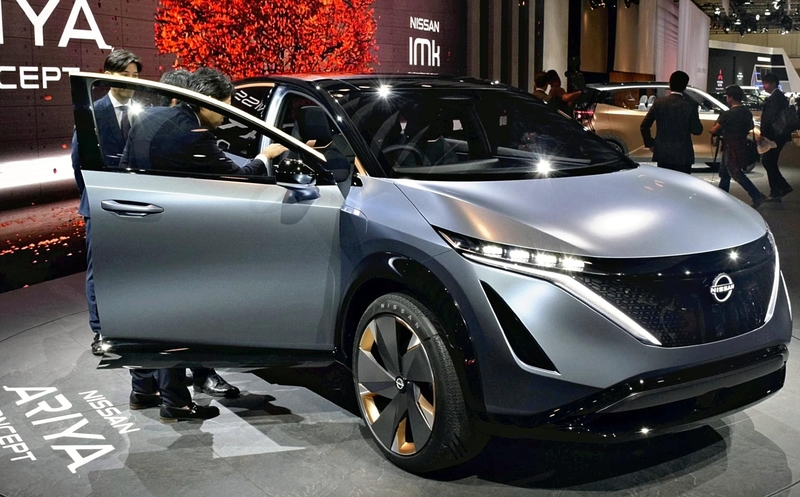
Nissan will take the lead in the development of electric vehicles while Mitsubishi will focus on the development of plug-in hybrids. The sharing of technology among the three companies is at the core of the measures.
Nissan started developing EVs at an early stage and has accumulated a wealth of related technology through the development of such vehicles as the Leaf, a model that has been a part of the automaker's global strategy over the last 10 years.
In the future development of vehicles, Nissan will be responsible for key technologies such as motors, which will be used in Renault and Mitsubishi models.
Mitsubishi specializes in hybrids that can be charged using household power sources. Its hybrids can also be used as an emergency power supply as they have outlets linked to their on-board batteries.
Mitsubishi will provide technology to Nissan and Renault to help strengthen their lineups as both are lagging behind in the hybrid sector.
Renault will concentrate its management resources on light commercial vehicles.
The three companies will also reduce production costs by sharing parts and chassis.
Each company will be responsible for an international sales region. Nissan will take charge of North America and China, Renault will be responsible for Europe, and Mitsubishi will be in charge of Southeast Asia.
The three carmakers are aiming to better utilize their sales capabilities and sales networks by taking charge of their respective main markets.
The companies will also expand the development of original equipment manufacturing in each market.
The three companies have been struggling with declines in global sales, with Renault's profit falling into the red for the first time in a decade in 2019.
Mitsubishi also fell into the red for the first time in three years in the 2019 fiscal year, which ended on March 31.
Nissan, which is scheduled to announce its business results on Thursday, is expected to record a net loss for the first time in 11 years.
The poor results are not only because of the fallout from the coronavirus crisis, but also because the three companies have been plagued by overcapacity and have not sufficiently utilized the benefits of the alliance in development or sales.
The three companies also plan to implement large-scale labor cuts and plant closures. After the announcement of measures to strengthen the alliance, each company will incorporate specific measures into their respective medium-term management plans.
Read more from The Japan News at https://japannews.yomiuri.co.jp/