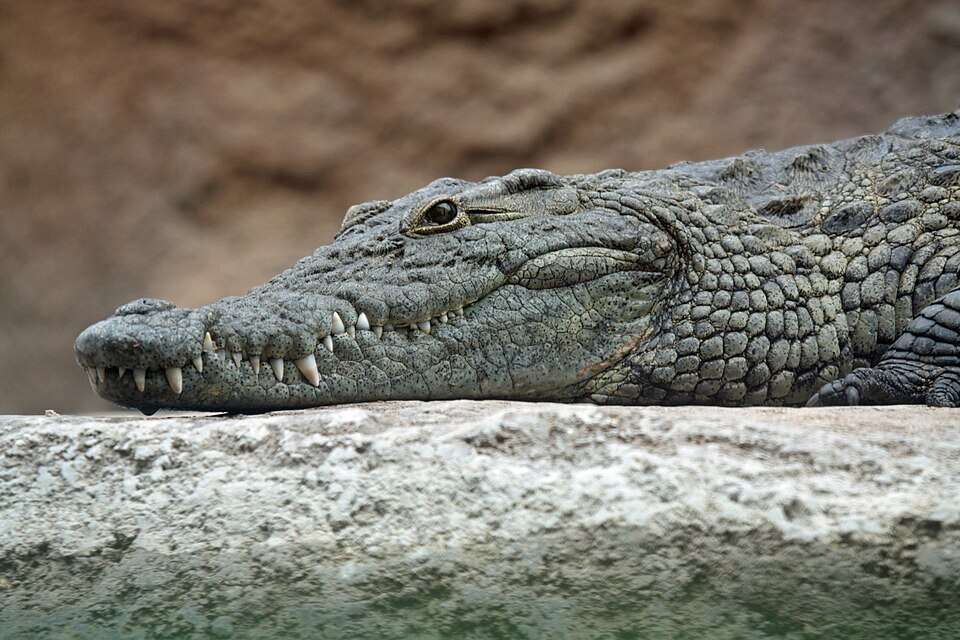
For weeks, reports of Nile crocodiles appearing in irrigation canals, village drains and waterways across northern Egypt left residents bewildered. Videos circulating online showed young crocodiles swimming through narrow channels hundreds of kilometres from their natural habitat around southern Egypt's Lake Nasser, prompting fears that the iconic reptiles were expanding their range northwards.
Get breaking news anytime, anywhere. Download the TOI app now!
However, the reports quickly became a matter of public concern because the Nile crocodile is Africa's largest freshwater predator. If the animals had indeed begun moving north through the Nile into densely populated areas, it would have marked a significant and unexpected shift in their known distribution across Egypt.
When experts analysed the reports, they found a much less alarming explanation. Instead of a northward migration, experts believed the crocodiles had been sold illegally and released because they had grown too big for their owners.
A series of unusual sightings raised questions
The Nile crocodile (Crocodylus niloticus) has long been associated with Egypt, where it occupied much of the Nile in ancient times and was even revered in the worship of the crocodile god Sobek. Today, its natural range within Egypt is largely confined to Lake Nasser and the waters south of the Aswan High Dam.
That is why reports of crocodiles surfacing in villages across the Nile Delta immediately attracted attention. That is why reports of crocodiles appearing in villages across the Nile Delta immediately attracted attention. Residents described spotting juvenile reptiles in agricultural drains, irrigation canals and waterways hundreds of kilometres from their recognised habitat. Videos spread rapidly across social media, leading many to speculate that crocodiles were somehow travelling north through the Nile.
At first glance, the theory seemed plausible. Crocodiles are powerful swimmers capable of covering considerable distances. But the geography of modern Egypt tells a different story.
According to a review published in Hydrobiologia , the Aswan High Dam dramatically reshaped the Nile's ecosystem, changing river flow, sediment transport and habitat connectivity, with lasting effects on aquatic species. Wildlife experts regarded reports of crocodiles appearing hundreds of kilometres north of their established range as inconsistent with the species' known distribution and ecology.
Wildlife experts point to an illegal trade instead
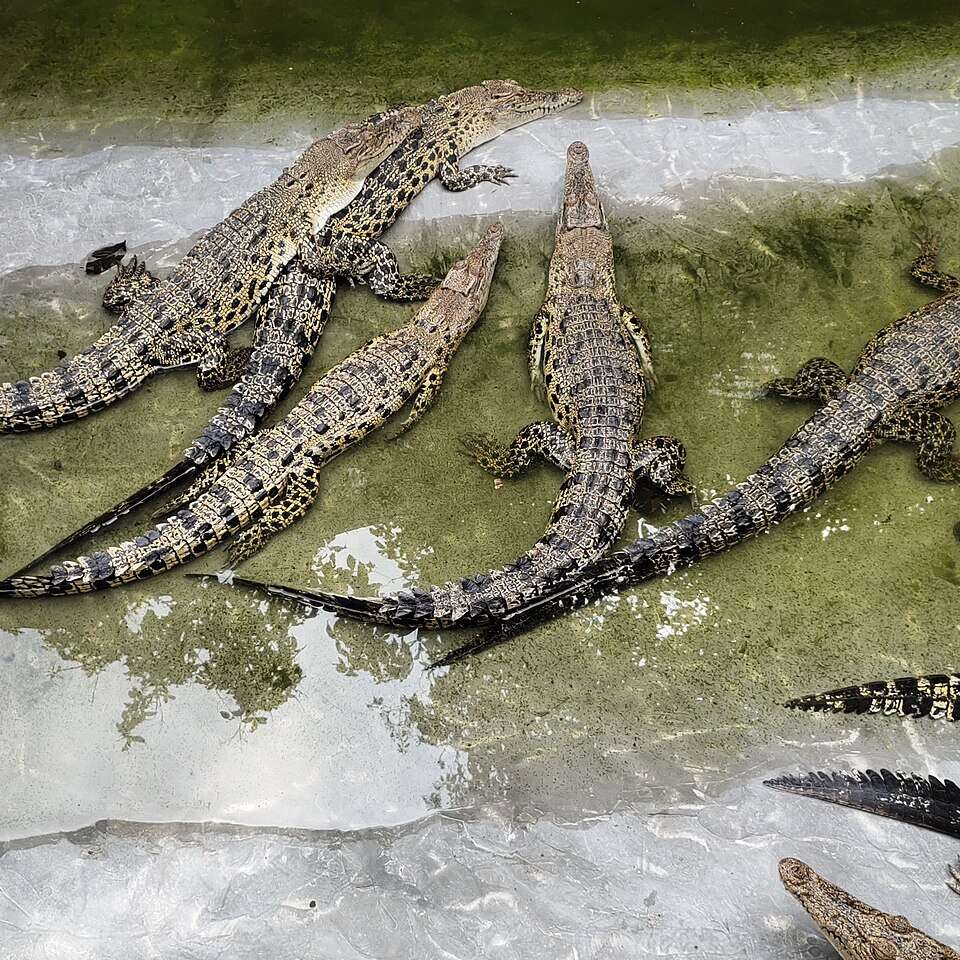
As more crocodiles came to light, researchers realised that they were almost all juveniles rather than adults. According to Egypt's Ministry of Environment and wildlife experts, the crocodiles were probably not wild migrants but animals that had escaped captivity or been set free by their owners. Even though owning a Nile crocodile is illegal, the trade continues in some parts of Egypt, with people acquiring baby crocodiles from the south, which are easy to handle because they are only a few centimetres long.
However, things change once the crocs grow up. The Nile crocodile is one of the biggest reptiles in Africa, with a maximum length of about five metres and a lifespan of several decades.
According to experts, many owners eventually abandon the animals by releasing them into nearby canals, drains or irrigation systems once they become too large or dangerous to handle. This explanation also accounts for why nearly every reported crocodile has been a juvenile rather than a breeding adult. If a natural migration were occurring, authorities would expect to encounter crocodiles of varying ages and evidence of established populations rather than isolated young animals.
The findings also fit an established trend in the illicit wildlife trade. Despite being under the control of the Convention on International Trade in Endangered Species of Wild Fauna and Flora (CITES) in terms of their international trade, illicit trapping and private possession have been known to persist in many areas around the world. Baby crocodiles are sold as pets, but as they become older and harder to take care of, they end up being abandoned or released back into the wild.
A study published in Biological Conservation has likewise shown that illegal wildlife trade increasingly involves reptiles, with demand for exotic pets driving the movement of animals far beyond their natural ranges. Such releases can threaten both native ecosystems and the welfare of the animals themselves.
Why the crcocodiles are unlikely to stay
Although the sightings generated understandable concern, specialists emphasise that northern Egypt is unlikely to become a permanent habitat for Nile crocodiles.
These reptiles depend on suitable freshwater environments, stable nesting areas and conditions that support long-term breeding populations. Irrigation drains and agricultural canals are highly managed waterways with fluctuating water levels, heavy human activity and limited ecological resources. They are poor substitutes for the extensive habitats found around Lake Nasser and parts of the Upper Nile.
Wildlife authorities have therefore encouraged residents to report sightings rather than attempt to capture the animals themselves. Even relatively small crocodiles can inflict serious injuries, while improper handling also places the reptiles under significant stress.
This also points to a broader conservation lesson. In cases where the presence of animals seems to be highly out of place, it does not mean that it must be attributed to something other than human activity. Early assumptions had people thinking that Egypt’s crocodiles were returning to their previous habitat along the Nile. The warning is not about a shift in wild species distribution, but about the consequences of animals ending up in village drains, where they can pose risks to both people and wildlife.
Although the Nile crocodile is one of Egypt's most iconic species, its habitat is in the south of the country, not the north. These sightings did not mark the start of a northward spread; instead, they appear to be the result of illegal trade that turned one of nature's strongest predators into an unsuitable pet.