The chairman of the public inquiry into the Southport attack has said young people “must be diverted” from the thoughts and impulses that motivated killer Axel Rudakubana.
The inquiry into the attack at the Taylor Swift-themed dance class on 29 July 2024 entered a second phase on Wednesday, examining how to deal with people who pose a risk of extreme violence, but where ideology is not the primary driver, as well as the role of the internet and social media in influencing and enabling them.
In his opening statement, chairman Sir Adrian Fulford said he was “resolutely optimistic” that past failures and means of implementing real change could be identified.
He said: “More than anything else, young people must be diverted from the thoughts and impulses which motivated AR in July 2024.
“We are confronted with a growing challenge from violence-fixated individuals, who all too often are not acting out of an adherence to a particular ideology.
“Instead, the reasons for their interest in violence are various and, as a consequence, they can be extremely difficult to identify.
“All too often, they will be acting entirely alone, having spent endless hours in solitude, relentlessly, online.”
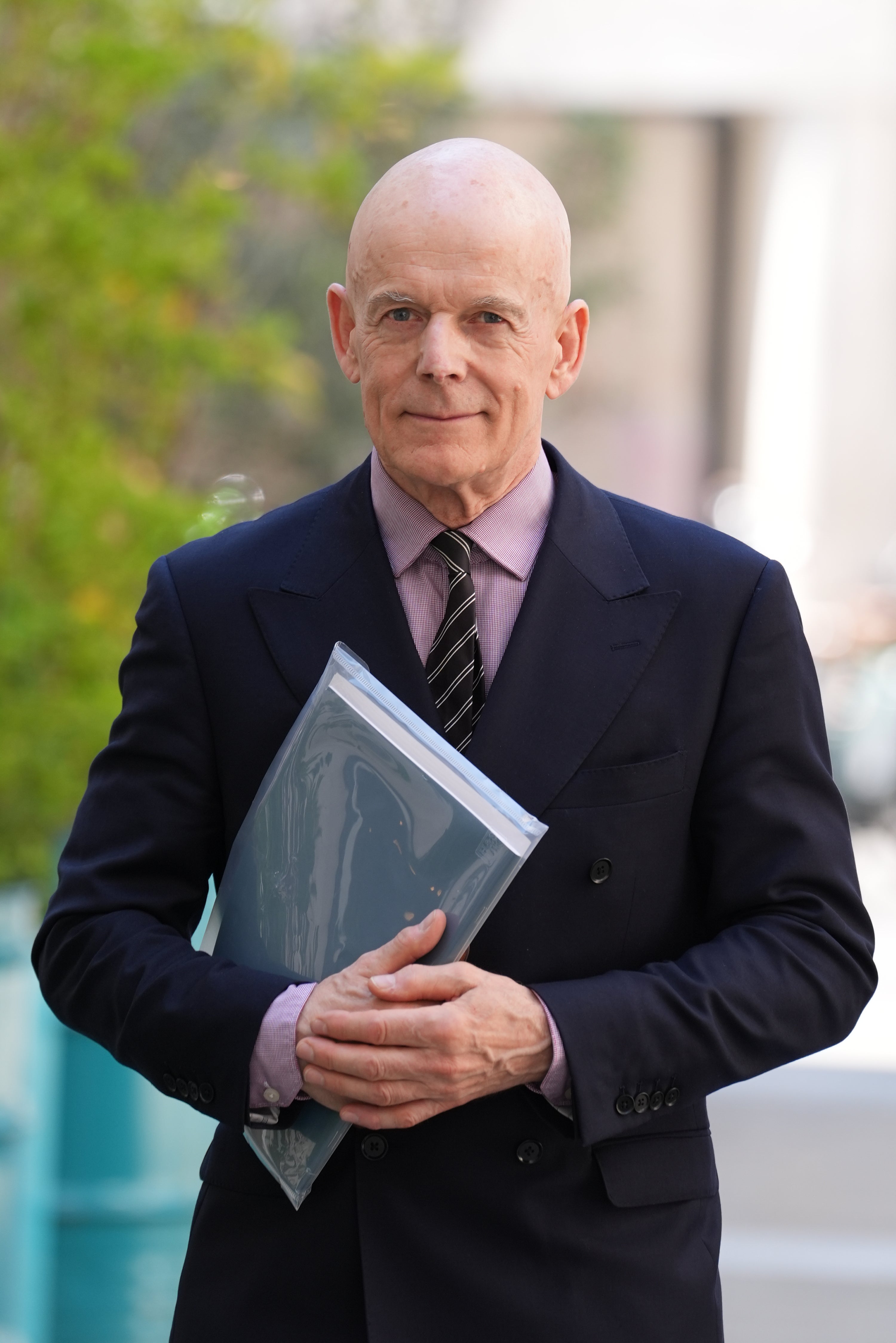
The inquiry, at the International Dispute Resolution Centre, began with a minute’s silence for the victims of the attack, in which Alice da Silva Aguiar, nine; Bebe King, six; and Elsie Dot Stancombe, seven, were killed.
Sir Adrian added: “The victims and their families will be at the very centre of our work during phase two, not least because they have the right to expect that we remain – as I hope will be the case – unwaveringly focussed, efficient and effective in our work and that we identify, wherever they exist, the changes of substance that must be made as to how we address those who have a dangerous preoccupation with significant violence.”
Rudakubana, now 19, was given a life sentence, with a minimum term of 52 years, for their murders and the attempted murder of eight other children and two adults.

In the first phase of the inquiry, Sir Adrian found the attack “could and should have been prevented” if public bodies had taken steps to stop Rudakubana, who was 17 at the time, and if his parents had “done what they morally ought to have done”.
In his 763-page report, which set out 67 recommendations, he concluded there was a “fundamental failure” by any organisation, or multi-agency arrangement, to take ownership of the risk Rudakubana posed.
Last week, the Government accepted the recommendations of his report and Home Secretary Shabana Mahmood said: “We will do whatever is needed to protect the public.”
But families of the girls and other survivors said they need to see more evidence of action and that no one had lost their jobs over the failures.