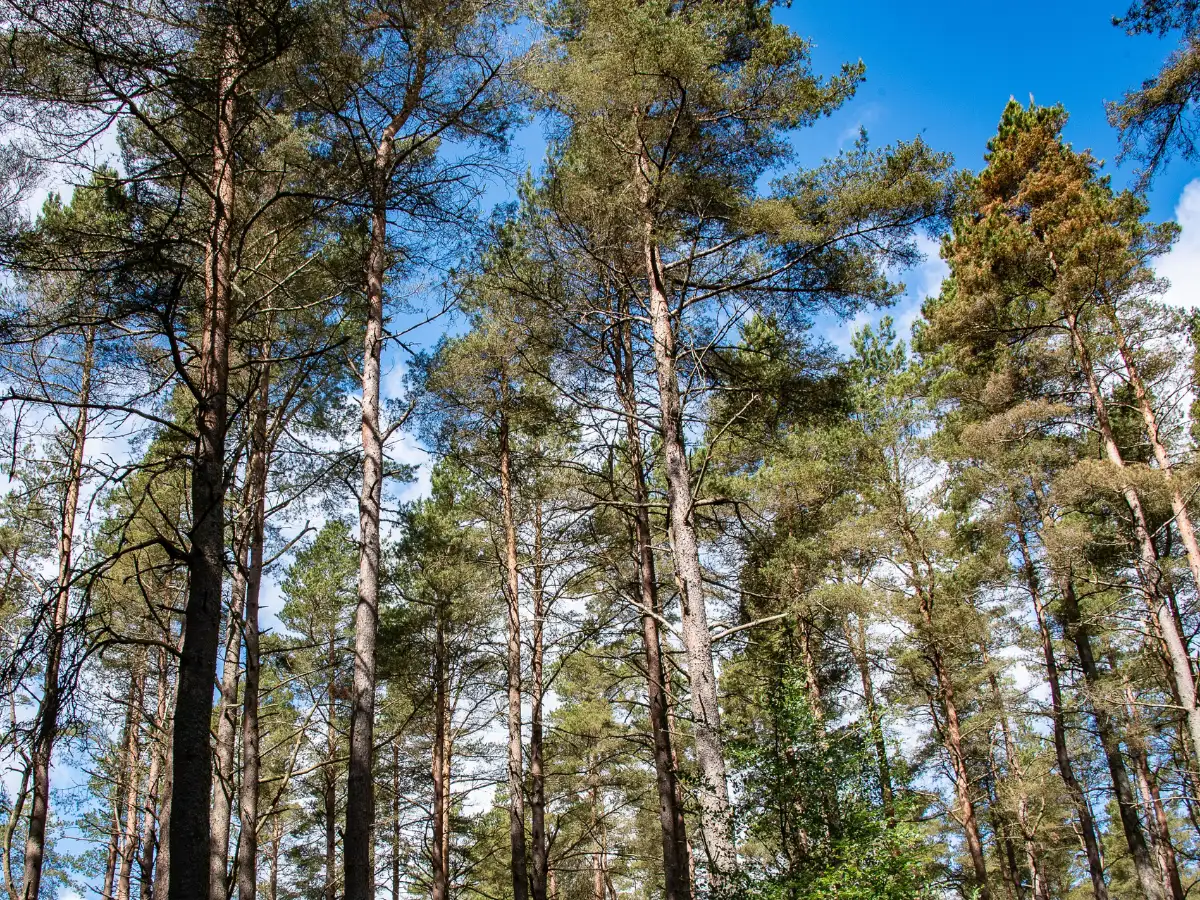
Imagine a wide open grassy valley in the mountains, the kind you see on a screensaver. Now imagine that valley slowly filling with pine trees that nobody planted, trees that keep coming back no matter how many times crews cut them down. That’s exactly what’s been happening across New Zealand’s high country, and the tale behind it tells a lot about how good intentions with nature can go awry.
According to a review, ‘Ecology and consequences of invasion by non-native (wilding) conifers in New Zealand,’ published in the Journal of New Zealand Grasslands, invasion of grasslands and shrublands by non-native woody species has become widespread enough to spur major research and management responses, with these introduced pines, known locally as wilding conifers, now impacting about 2 million hectares of land, including grasslands, rare ecosystems and high-altitude habitats. That's an area nearly the size of the state of Massachusetts.
How a forestry fix turned into a runaway problem
The backstory is a classic case of good intentions gone wrong. Generations ago, species such as lodgepole pine, Douglas fir, and larch were introduced into New Zealand for timber, erosion control, and shelter belts, the same reasons pine plantations dot the American West and South today. The problem is that these trees were almost too good at their job.
The review also found that lodgepole pine grows faster in areas where it has been introduced than it does in its native range in North America. It said the strongest predictors of spread in New Zealand were planting intensity, time since introduction, climate suitability, and early reproductive age. In short, they were fast-growing, fast-breeding trees being planted in huge numbers, almost a recipe for an invasion.