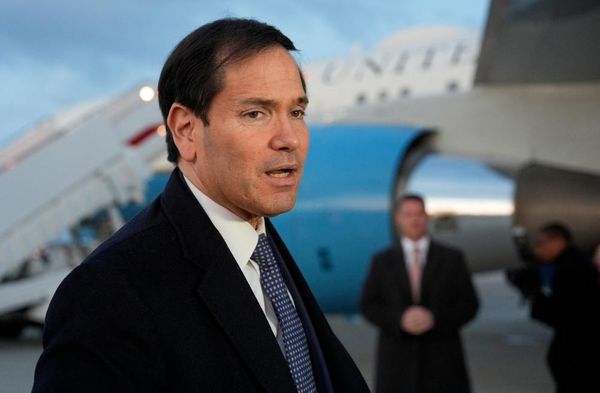
For Stephen Dunmore, the chance to sort out charity fundraising in the wake of last year’s furore over bad practice was an offer he couldn’t refuse. “I thought this was a real opportunity to do something worthwhile and help address what was clearly an emerging problem for the sector, donors and the public,” he says.
Dunmore, interim head of the new Fundraising Service says although not every charity was involved in the aggressive fundraising that hit the headlines, “what affects one clearly affects all in terms of public confidence”. In advance of the new organisation opening its doors on 5 July, Dunmore’s been talking to charities about how the new service will work – and the response has been pretty positive.
“When I first arrived in January,” he says, “I think there was still a lot of denial going on, along the lines of: ‘It’s the media, not us’; ‘It’s not my charity, it’s another charity’; or ‘I’m a small charity, why should I pay for what’s been going wrong in the larger charities?’ And there was a lot of alarmism about what the new regulator might do. I think we’ve moved on a fair way since then. Charities have been much more engaged with the whole process of setting up the new regulator and we do need to work with their cooperation and collaboration because it’s a voluntary regulation system.”
Charities should be very clear, he warns, that it’s in their interests to make the new system a success. “If this doesn’t move forward, the threat of statutory regulation is lurking in the background,” he says. “The Etherington review [into charity fundraising] and ministers felt it was a much better option to give the charitable sector the opportunity to put its house in order – but I guess that tolerance can only go so far.” The new regulator, Dunmore adds, will not shy away from imposing sanctions where necessary – including naming and shaming and requiring charities to seek approval before they are allowed to fundraise.
But it’s not just a punitive approach. “We want to support change through promoting best practice,” he says. “We need to see a cultural shift in some of the attitudes towards donors and raising money from the public and a realisation that if you don’t do that in a user-friendly way that really engages the public, rather than making them feel under pressure, there will be long-term negative consequences for your fundraising.”
Can charities restore public faith in them? Dunmore is optimistic. “We’ve got a record in this country of charitable giving that’s second to none. So there’s every chance it can be turned around – but charities have got to start doing right by their donors.”