
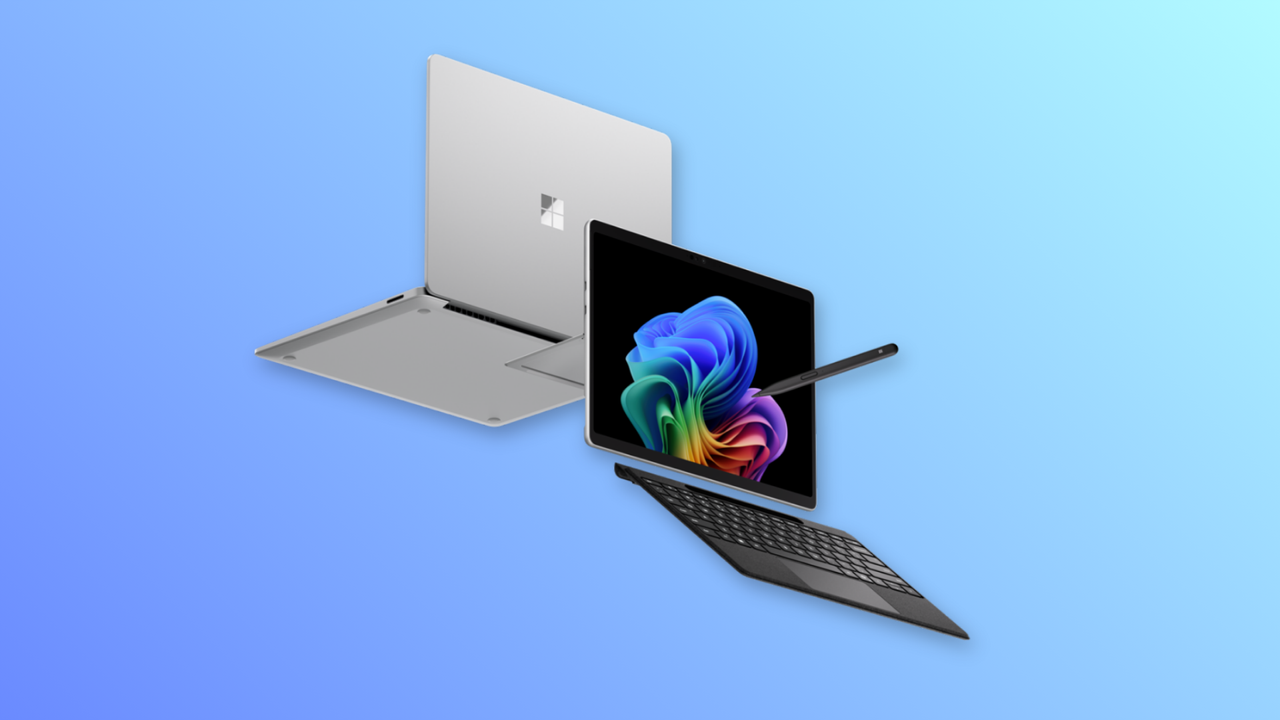
Microsoft has just unveiled its latest generation of Surface devices for businesses. The new Panther Lake-powered lineup includes two refreshed machines along with a new entry-level Surface Laptop that somehow costs more than the MacBook Air but features only 8GB of RAM amid the AI gold rush. Let's see what these machines have to offer.
Surface Laptop 13-inch
First, there's the new Surface Laptop 13-inch (1st Edition). This seems to be the same device Microsoft launched last year on the Snapdragon X Elite platform, now incorporating Intel's Panther Lake chips instead. It's a new chassis for the Surface for Business lineup, and it starts at $1,499 with 16GB of RAM and a Core Ultra 5 325 CPU.
There's also an 8GB model planned for later this year that'll cost $1,299 instead. For reference, Microsoft determines that at least 16GB of RAM is required for a PC to be Copilot+ compatible, so the 8GB model of the 13-inch Surface Laptop is not ready for local AI tasks according to the company's own guidelines.
RAMpocalypse or not, it's worth remembering just how limiting 8GB of RAM is in 2026 — even flagship phones get more than that now. Apple's otherwise excellent $600 MacBook Neo was criticized for only featuring 8GB of memory despite its entry-level ambitions, so you can imagine just how risible that spec is for a system at more than double the price.
Anyhow, you get 2x USB-C and 1x USB-A ports, both running at USB 3.2 speeds, and a 3.5mm headphone jack on this laptop. The same Wi-Fi and Bluetooth 5.4 wireless connectivity, a 1080p webcam, and up to 22 hours of local video playback. The 13-inch screen is still branded as "PixelSense" but it's only 1080p 60 Hz and has no HDR support. But the laptop is still made out of aluminum, which is to be expected for a device that costs this much.
When do you buy an upgrade for your PC setup?
Surface Laptop 8
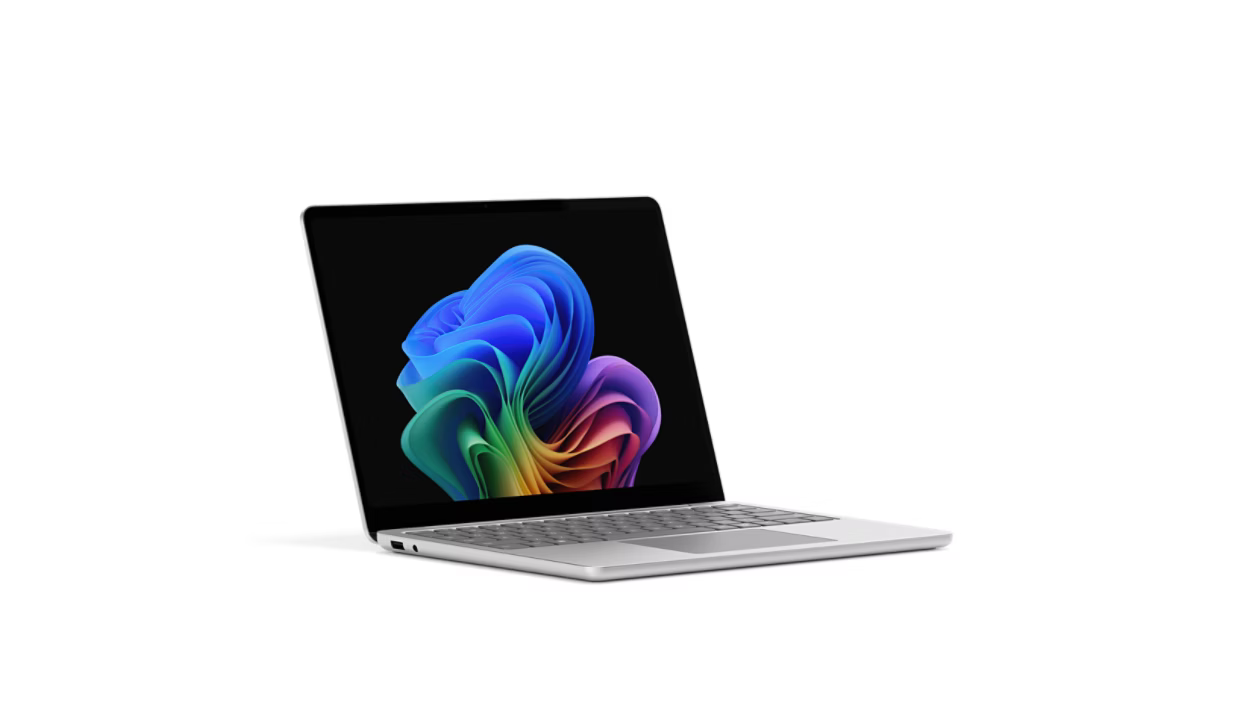
The higher-end Surface Laptop 8 comes in two different variants: 13.8-inch and 15-inch. The base 13.8-inch model starts at $1,949, featuring a Core Ultra 5 335 with 16GB of LPDDR5x RAM and 256GB of PCIe 4.0 storage that's user-replaceable. The 15-inch model starts at $2,149 instead and upgrades the display resolution to 3270x2180, which comes out to 262 PPI versus the 201 PPI you'll get on the 13.8-inch machine.
You can spec out either variant with up to a Core Ultra X7 368H with Arc B390 graphics, a 1TB SSD and 64GB of RAM. The absolute maxed-out model will cost $4,499. For context, you can get the latest 16-inch MacBook Pro with a M5 Max (upgraded to 40-core GPU), 64GB memory, and 2TB of significantly faster PCIe 5.0 storage for $4,599.
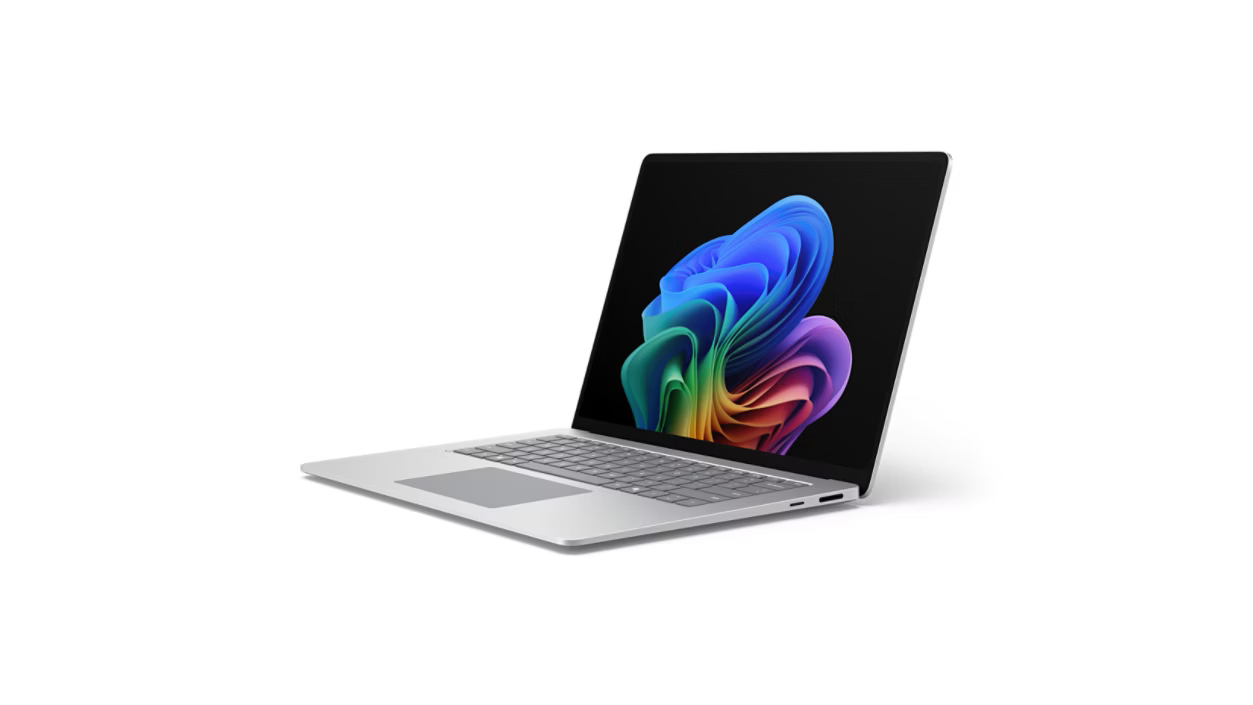
The Surface Laptop 8 offers up to 23 hours of "local video playback" on the 13.8-inch model and up to 21 hours on the 15-incher. Apart from the size, both variants have identical displays specs — 120 Hz, 3:2 aspect ratio "PixelSense" IPS touchscreens with a maximum brightness of 600 nits across SDR and HDR content. The 13.8-inch model also gets a software-driven "integrated privacy screen" that can obfuscate content on your screen at an angle, similar to what Samsung has done with its Galaxy S26 Ultra.
Lastly, as mentioned before, the Surface Laptop 8 shares the same design as its predecessor, the Surface Laptop 7, but there's one upgrade under the hood that Microsoft is calling "advanced haptics." The trackpad will now intelligently simulate clicks with tactile feedback, such as steps in a volume slider or snapping windows to corners. Beyond Windows 11, third-party apps can also take advantage of this feature.
Surface Pro 12
Last up is the Surface Pro 12, and it comes in the same 13-inch configuration as the previous Surface Pro 11. It's a 2-in-1 tablet that comes with a detachable keyboard that works with Surface Connect magnets, so you can use your old accessories with it. It also starts at $1,949 and features the same Core Ultra 5 335 CPU and 16GB of memory, along with the removable 256GB SSD.
The specs page says you can upgrade it to a Core Ultra 7 366H, but we didn't see that option in Microsoft's device configurator, nor could we find the 1TB storage or 64GB RAM models. There's an option for an OLED display listed, too, but once again, it's not actually available when you go to buy the device. Instead, the Surface Pro 12 gets a 13-inch version of the same "PixelSense" display you see on the Surface Laptop.
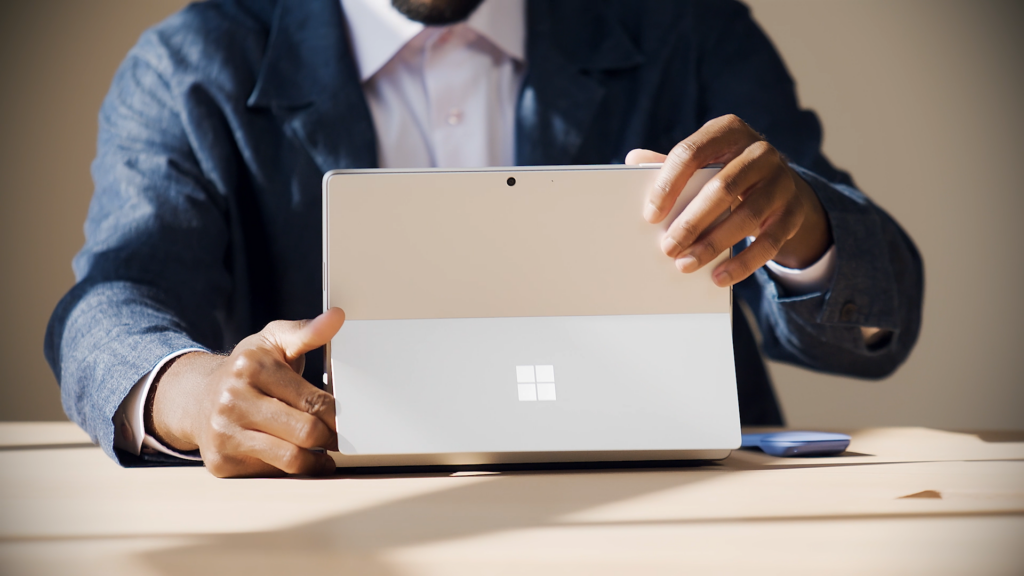
For connectivity, there are 2x Thunderbolt 4 ports and that's it, but there's also Wi-Fi 7 and Bluetooth 5.4 support. The Surface Pro has two cameras — a 10-megapixel 4K shooter on the back and a 1440p webcam up front. The battery life is rated at up to 17 hours.
Microsoft is targeting the business and enterprise segment with these new Surface products, so they cost a bit more than their consumer counterparts. These business devices come with extra security features, more thorough remote management, and generally better stability since professionals are supposed to rely on them for critical work. The consumer devices stripped of these extras should be a bit cheaper.