

The gardening world inside HOA (Homeowners Association) neighborhoods has officially entered its plot-twist era. What once felt like a rigid checklist of green grass, trimmed hedges, and zero personality now looks wildly different as 2026 unfolds.
Boards, residents, and even city governments have pushed gardening rules into new territory that rewards creativity, sustainability, and community pride. These rule changes matter because they touch daily life, property values, and the small joys people find in their own yards.
1. Lawns No Longer Reign Supreme
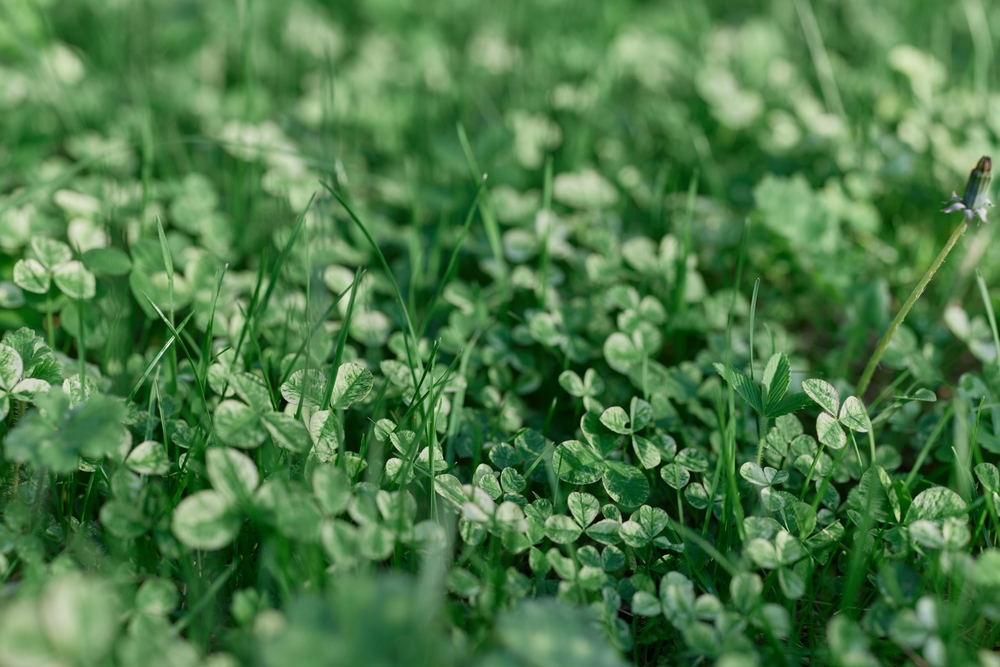
HOAs across the country have started rewriting landscaping rules that once treated traditional grass lawns like sacred ground. Many associations now encourage reduced turf areas, especially in regions facing water shortages or rising utility costs. Because of this, HOAs increasingly approve drought-resistent clover lawns, ornamental grasses, gravel gardens, and mixed plant beds that still look polished without guzzling water.
These rule updates often include clear design guidelines so yards maintain visual harmony without enforcing uniform boredom. Homeowners now enjoy landscapes that look intentional, colorful, and climate-appropriate while avoiding fines that once haunted anyone who dared skip weekly mowing.
2. Native Plants And Pollinator Gardens Get Official Protection
Gardens filled with native plants no longer live in the gray area of HOA approval. Many associations now protect pollinator gardens, butterfly habitats, and native plant landscapes within their governing documents. This shift reflects growing awareness about declining bee populations and the role residential spaces play in supporting local ecosystems.
Residents who once fought violation notices for having “messy” gardens now receive recognition for thoughtful planting and maintenance. These gardens bring seasonal color, attract birds and butterflies, and require less water and fertilizer than imported ornamentals.
3. Food Gardens Move From Backyard Secret To Front Yard Statement
Vegetable gardens have stepped into the spotlight, and HOAs have taken notice. Some associations now allow edible gardens in visible areas, including front yards, as long as homeowners follow design and upkeep standards.
Rising grocery prices and growing interest in self-sufficiency pushed residents to advocate for these changes. This compromise lets residents grow fresh produce while still preserving neighborhood aesthetics. Gardening suddenly feels practical, personal, and proudly visible instead of hidden behind fences.
4. Sustainability Standards Shape What You Can And Cannot Plant
HOAs in 2026 increasingly tie gardening rules to sustainability goals rather than outdated appearance standards. Associations now discourage high-water plants, excessive fertilizer use, and inefficient irrigation systems. These standards reduce runoff, lower water bills, and prevent chemical pollution from reaching storm drains.
Homeowners benefit from clearer guidance that supports long-term savings instead of constant replanting and lawn repairs. Today’s gardening rules now reflect a bigger picture that balances beauty, responsibility, and practicality.
5. Design Rules Focus On Intentional Looks Instead Of Perfection
Perfection no longer dominates HOA landscaping language the way it once did. Many associations now emphasize intentional design, consistent maintenance, and plant health rather than rigid symmetry or constant bloom cycles.
This approach gives gardeners more creative freedom while still protecting neighborhood standards. HOAs increasingly define acceptable height ranges, spacing, and seasonal transitions instead of micromanaging every leaf. Residents feel empowered to experiment with color, texture, and layout without fearing instant violations.
A New Season For HOA Gardening
HOA gardening rules in 2026 reflect a noticeable change in attitude toward personal expression and environmental responsibility. These updates acknowledge real-world challenges like water conservation, food costs, and ecosystem health without sacrificing neighborhood pride.
Homeowners now enjoy broader freedoms and landscapes that actually make sense for their regions. Gardening inside an HOA no longer feels like walking a tightrope with a trowel. It feels like collaboration between people who care about where they live.
Drop your thoughts or stories in the comments below and let others know how these changes have shaped your own gardening experience.
You May Also Like…
9 Reasons Your Lawn Might Be Violating HOA Rules
10 Winter Watering Rules for Trees and Shrubs
8 Free Garden Materials People Throw Away Every Week
10 Crops That Attract Mice if Left Uncovered
Should You Really Be Paying A Lawncare Company to Take Care of Your Yard Year Round?
The post New HOA Rules That Are Changing How People Garden in 2026 appeared first on Frugal Gardening.