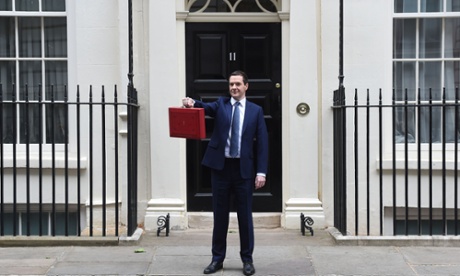
On 8 July, an emergency budget took place amid much anticipation around potential changes to the motor industry. Now that the dust has settled, we take a look at what the announcements mean for your business now and in the future.
VED - Vehicle Excise Duty
What’s changed?
VED is an annual tax that is paid on the ownership of road vehicles; it’s also referred to as “car tax” although it applies equally to vans, lorries and motorcycles. In the emergency budget, the chancellor said that the current VED system, “Isn’t sustainable and isn’t fair”, and in order simplify it he introduced new bands for VED – zero emission, standard and premium.
Under the new system, higher emission premium cars will pay an additional surcharge of £310 for first five years of ownership. And, from 2017 onwards, when the new system comes into play, a new standard rate of £140 a year will be introduced – it’s expected that this fee will apply to 95% of new cars.
What does it mean for your business?
In his speech, George Osborne stated: “There will be no change to VED for existing cars – no one will pay more in tax than they do today for the car they already own.” The changes will only apply to cars that are registered after 1 April 2017. As such, the changes to VED will have more significance for any future investments you make for vehicles in your fleet.
Steve Gooding, director of the RAC Foundation, said: “The chancellor has seen the writing on the wall. His VED income is set to fall sharply as cars get greener and he has acted to avoid that. Costs for many drivers will rise, but two things help offset the financial pain. One is that new car prices have dropped in real terms over many years and the other is that money raised from VED will be ring-fenced for road investment, something not seen since the 1930s.”
What is key here are the implications that changes to the system will have on the expenditure of car and fleet owners across whole life cycles and in relation to emission levels at point of purchase. John Hargreaves, head of fleet and remarketing at Kia, said: “Simplicity is normally to be applauded and there is no doubt that the new VED calculations are clear and easily understood.
However, the new system has put vehicles with vastly different emission levels in the same band and this is unlikely to encourage purchasers to look at CO2 figures as carefully as [they would have] under the previous method of calculation. The new system’s very sharp boundaries are certain to cause anomalies and we will see high value and very low, but not zero, emission cars set to suffer”
New Road Fund
What’s changed?
Improving road infrastructure was a focal point on the agenda for many in the run up to the election but, with the deficit to tackle, it seemed unlikely that the chancellor would turn his attention to improving roads until a later stage. However, the restructuring of the VED bands will generate revenue to fund improvements.
In his speech, the chancellor said, “I will return this tax [VED] to the use for which it was originally intended [with a] new Roads Fund. From the end of this decade, every single penny raised in Vehicle Excise Duty in England will go into that Fund to pay for the sustained investment our roads so badly need.
Tax paid on people’s cars will be used to improve the roads they drive on. It is a major reform to improve the infrastructure and productivity of our economy – and deliver a fairer tax system for the motorist”.
What does it mean for your business?
In the long run, better roads should make for better, smoother journeys for your business’s drivers, including a possible reduction in traffic and journey times.
Fuel duty
What’s changed?
In the 2014 Autumn Statement, Osbourne announced a fuel duty freeze that would remain in effect until May 2015, with increases to be implemented in September (0.54 pence a litre). Ahead of the emergency budget, groups such as Fair Fuel UK issued a statement warning the chancellor not to renege on promises made. Thankfully, Osborne confirmed that the fuel duty freeze would remain in place this year.
What does this mean for your business?
At present, the freeze will save your business money, as the government will receive less in duty compared to the previous year.
Jonathan Dolby, head of marketing at Microlise – a partner of the Fair Fuel UK campaign and a business that helps fleet businesses reduce their costs and the environmental impact of their operations – welcomed the measure. In an article on the company’s blog, he wrote that the “Campaign [had been] instrumental in lobbying the previous coalition government and is now celebrating a seminal moment; achieving a fuel duty hold in the first Conservative budget for nearly 20 years”.
He went on to explain why the campaign was necessary, and what an ideal future for fuel duty could look like for motorists and small businesses, particularly after the freeze comes to an end.
“UK transport operators are currently asked to pay the highest price for diesel in the EU, with some of the poorest incentives available in Europe for investment in green fuel. The UK also remains the only country in the EU with a higher price for diesel than petrol.
Fair Fuel UK hopes to lower fuel duty by at least 3p a litre, to initiate an independent transparent pump pricing inquiry and to see the introduction of measures to ensure tax is always displayed on fuel receipts. The campaign group would also like to see the removal of VAT on fuel duty to stop double taxation.”
MOT
What’s changed?
Another major announcement made in the emergency budget was the proposed extension of MOT testing deadlines. Osbourne said: “We will consult on extending the deadline for new cars and motorbikes to have their first MOT test from 3 years to 4 years, which would save motorists over £100m a year”.
What does this mean for your business?
John Hargreaves, head of fleet and remarketing at Kia, said: “The MOT proposal is interesting and probably overdue, reflecting improvements in quality it might have a positive effect on three year values”.
Looking ahead
The shake up to the VED taxation system and changes to MOT have drawn mixed responses from the fleet industry.
In a comment on their website, the BVLRA (the trade body for the vehicle rental and leasing sector) wrote: “Although we welcome the commitment to maintain current VED revenues and invest the income on roads in the future, we are concerned that the existence of two different VED bandings from 2017 could create extra complexity and cost for the fleet market,” said Gerry Keaney the organisation’s chief executive.
Mike Hawes, chief executive of the Society of Motor Manufacturers and Traders was more critical in his perspective:
“While we are pleased that zero-emission cars will, on the whole, remain exempt from VED, the new regime will disincentivise take up of low emission vehicles,” he said. He also highlighted the possible impact the changes could have on fleet decision makers at the point of purchase. “The UK car industry produces a significant amount of premium cars and while it might not affect the higher end of the segment, it could have a big impact on fleet buyers. Fleet buyers also look at the life cost of a car and factor in VED. The increase is not going to encourage them to buy this sort of car.”
While some measures offer immediate savings, fleet businesses should use the buffer zone offered by freezes to plan ahead for tax changes that will be coming into play over the next few years. In addition, savings accrued in some areas will be offset by increased expenditure in others, such as insurance. The chancellor also announced that increases were on the horizon, “Britain’s insurance premium tax is well below tax rates in many other countries. I am therefore today raising insurance premium tax – which applies to only one fifth of all premiums – to 9.5%, effective from this November”.
Our advice? Reassess your budgets, and plan ahead to make sure you don’t get caught out by any forthcoming changes.
Content on this page is paid for and provided by Kia Fleet sponsor of the Guardian Small Business Network Accessing Expertise hub.