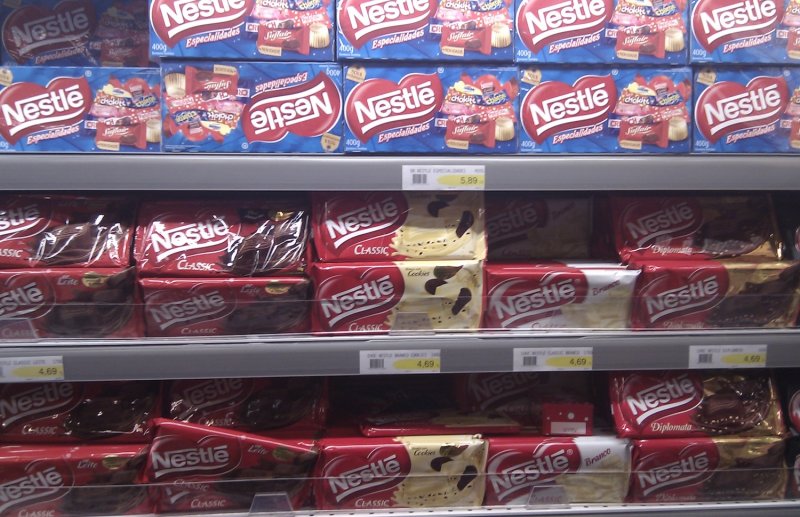
VEVEY, Switzerland - Nestle plans to remove artificial food colourings from all products worldwide by the end of 2026, a senior executive said on Tuesday, making it the first major food company to take such a step.
The previously unreported target comes as food companies face mounting pressure to offer healthier products amid the rapid rise of GLP-1 weight-loss drugs and growing consumer scrutiny of food ingredients.
It extends Nestle’s efforts beyond the United States, where it has already eliminated artificial colourings from its portfolio.
“By the end of the year we will have the global Nestle portfolio free of artificial colours,” Stefan Palzer, Nestle’s technology chief, told Reuters in an exclusive interview at the firm’s Swiss headquarters in Vevey.
Food manufacturers and retailers have increasingly moved to strip out ingredients such as FD&C synthetic dyes and sweeteners including corn syrup from their products.
Amid investor concerns that packaged food companies could lose out as consumers shift towards healthier diets, Nestle has increasingly focused on products aimed at weight-conscious consumers and those concerned about processed foods.
“It was not a slam-dunk,” Palzer said of the decision, adding that Nestle had spent years investing in the transition.
“We had to do a lot of R&D work because you have to screen all the natural solutions then you have to test those natural solutions during production, and then also test their shelf-life.”
“We did it because consumers don’t appreciate artificial ingredients. They want simpler recipes.”
US Health Secretary Robert Kennedy Jr and the Food and Drug Administration said in April last year that the agency aims to remove ingredients including artificial food colourings. Red Dye No.3, one of the most controversial colourings, was banned in January 2025.
They cite concerns over possible links to conditions such as attention deficit hyperactivity disorder (ADHD), obesity and diabetes, although many scientists say more research is needed.