Nepal’s rapper-turned-premier, who promised sweeping reforms after riding to power on the back of a Gen-Z agitation, has completed 100 days in office.
Balendra "Balen" Shah, 36, completed 100 days as prime minister over the weekend. In that time, he oversaw the arrest of his predecessor KP Sharma Oli and senior figures of the previous government, sweeping bureaucratic changes, and closer ties with China while keeping an unusually low profile.
Mr Shah, former Kathmandu mayor, leads the Rastriya Swatantra Party, which holds nearly two-thirds of the 275 seats in the parliament’s lower house.
Mr Shah's rise reflected a political realignment in Nepal after protests led by the youth toppled Mr Sharma Oli’s government, though his mandate was tested by limited governing experience and the mammoth task of restoring political stability and creating jobs in the poor nation long troubled by fragile governments and weak growth prospects.
Mr Shah came to office pledging to dismantle entrenched patronage networks, overhaul an inefficient bureaucracy and deliver 100 reforms in his first 100 days, including anti-corruption measures, service delivery, and digitalisation.
After taking office in March, Mr Shah convened his first cabinet meeting and moved to implement the recommendations of a high-level inquiry commission which had investigated the security response to last September’s protests that had brought down the previous government.
The commission found Mr Oli and his home minister Ramesh Lekhak criminally negligent for failing to prevent the use of excessive force that killed 19 unarmed protesters on 8 September, recommending they be charged under criminal code provisions covering negligent homicide.
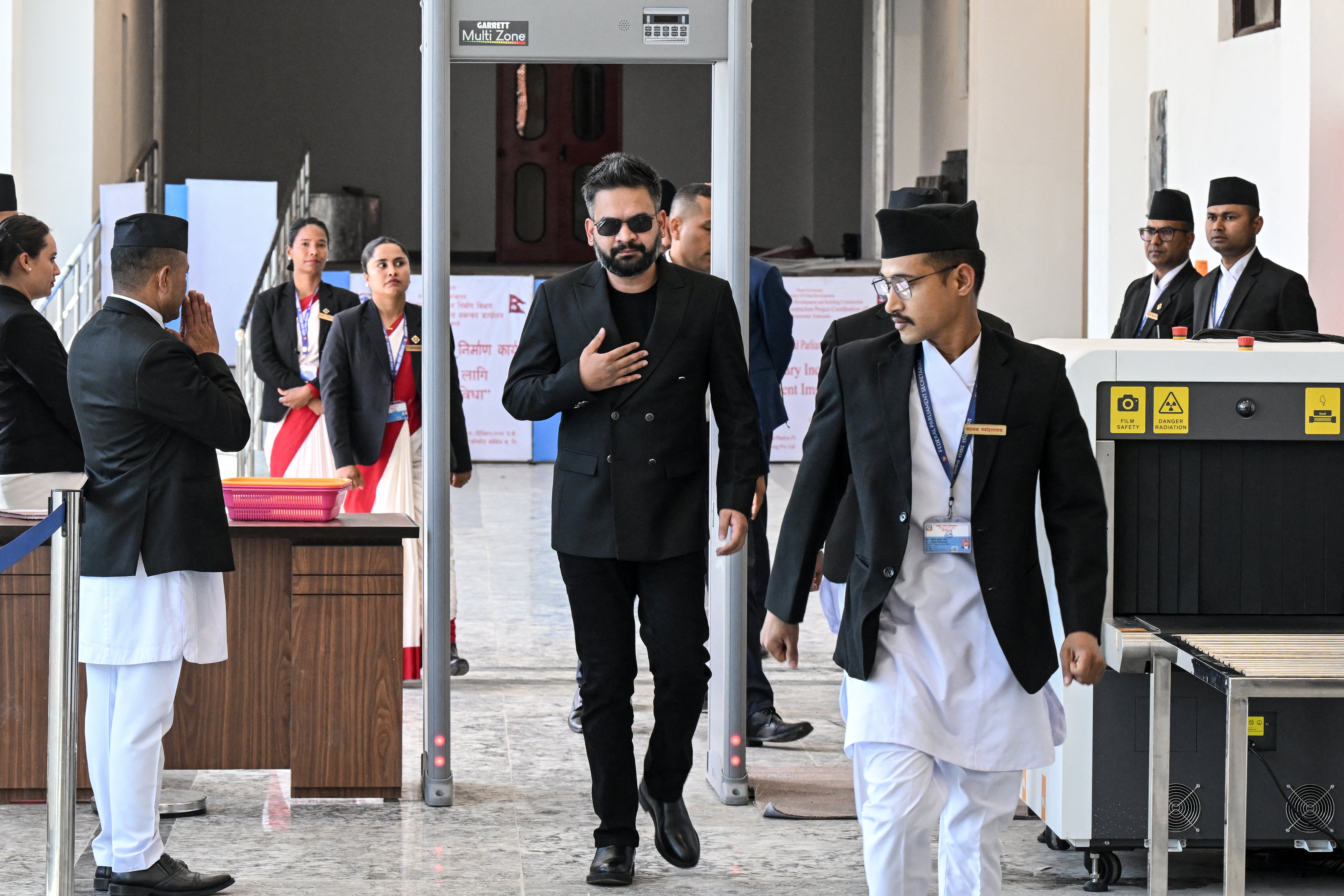
A government spokesperson claimed that over 87 per cent of Mr Shah's 100-point governance reform agenda had been achieved, with 70 of the 100 points fully implemented. But an analysis by Kathmandu Post found Mr Shah's government had implemented just 38 of the 100 commitments in its action plan.
Nearly two-thirds of the government’s flagship reform agenda remains stalled, highlighting persistent implementation gaps in a country where governments routinely over-promise and under-deliver.
Some analysts, however, argued that the new leader’s initial moves set the template for what followed, including rapid, symbolically charged actions that were often legally contested and executed with little patience for institutional processes.
Foreign minister Shishir Khanal defended the slow progress, saying the government had restored public confidence and strengthened institutional accountability.
“If you compare us to previous administrations, this cabinet has demonstrated far greater capacity, drive, dedication and public accountability,” he was quoted as saying by Kathmandu Post. “That has produced encouraging early results and sent a strong message that the government is honouring the public mandate by pursuing good governance. Public expectations are now centred on economic prosperity, and the coming days will demonstrate our commitment to achieving that.”
The new government’s most notable achievement has been issuing refunds to small depositors affected by the cooperatives crisis, with over Rs 44m (£218,000) returned to 1,895 depositors so far.
It has also begun compensating the victims of last year’s mass agitation, with 53 families receiving Rs1.5m (£7,400) each.
In addition, the government has delivered on the promise of consolidating proposals from the election manifestos of all political parties into a shared national agenda.
In the past three months, Mr Shah has largely stayed out of the public eye, communicating through social media and even delivering his victory speech as a rap.
He has even skipped meetings with foreign envoys even as he has sent his foreign minister for trips to neighbours India and China.
In a rare public address at a party meeting in June, Mr Shah said his administration was “on an expressway” towards change.
"The brakes will only be applied when we reach our destination," he said.
The government has presented a Rs2.1 trillion (£10.35bn) spending plan focused on infrastructure, technology, health and education, alongside a pledge to stabilise the economy.
"Work has been done, but the understanding of how it is to be done seems to be different," Anusha Khanal, a political researcher who took part in last year’s protests, told the AFP news agency.
"We have to stay vigilant."