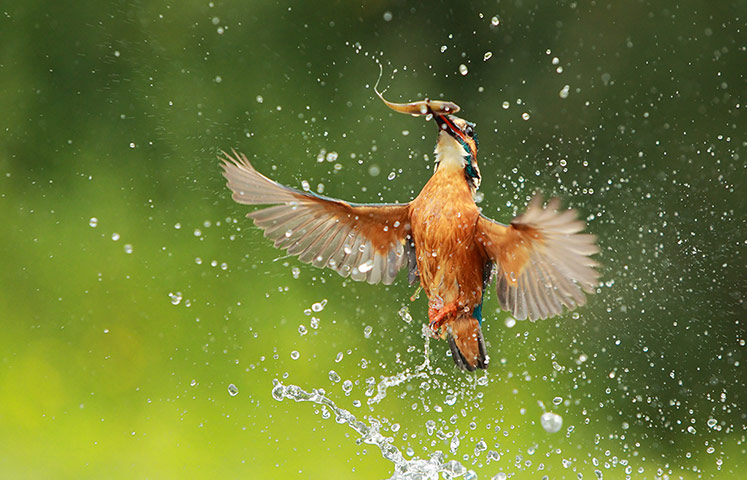

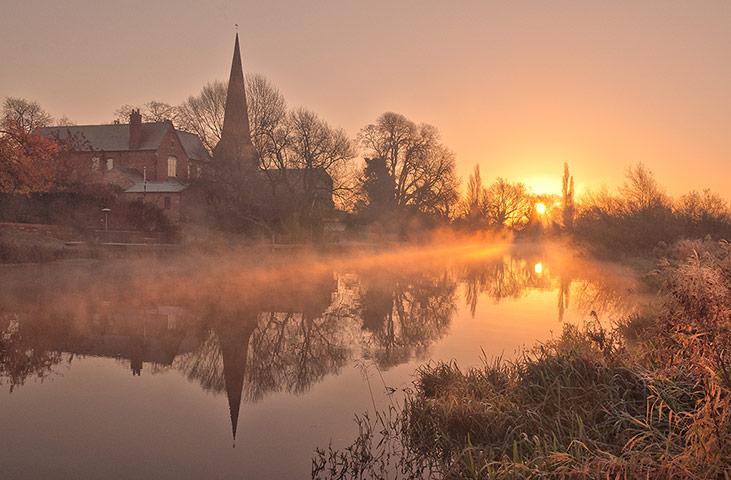
This site, one of the largest inland reed beds in southern England, forms part of the Kennet and Lambourn floodplain special area of conservation designated for its populations of Desmoulin's whorl snails. Along with adjacent alder and willow woodland, the area supports a large population of breeding birds such as reed and sedge warblers, and water rail Photograph: Chris Franklin
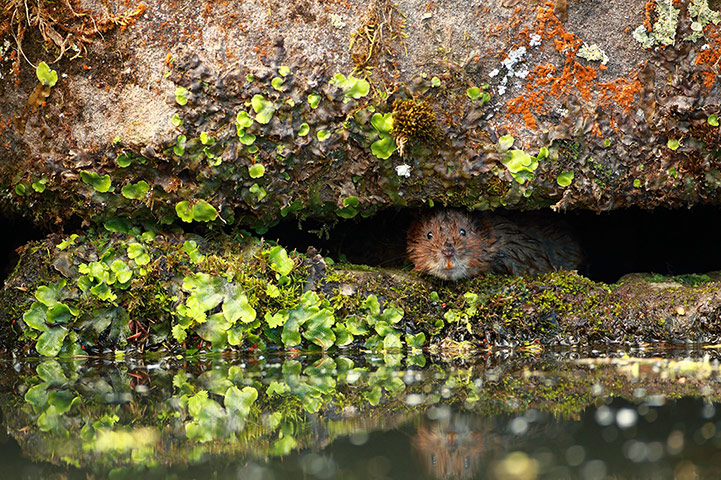
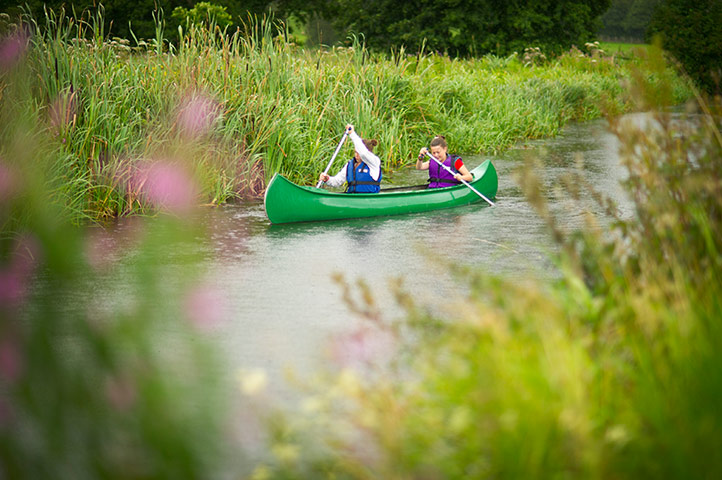
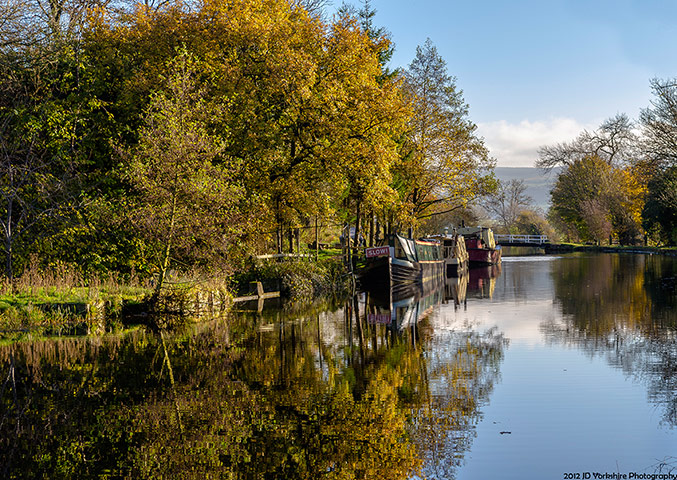
Nestled close to the Welsh border, this section of the canal is designated for its aquatic plants, including fan-leaved water-crowfoot and six species of pondweeds. Its reed fringe is composed of reed sweet-grass, branched bur-reed, greater and lesser pond sedge, common reed and flowering rush. This time of year is good for seeing reed seed heads Photograph: Guardian
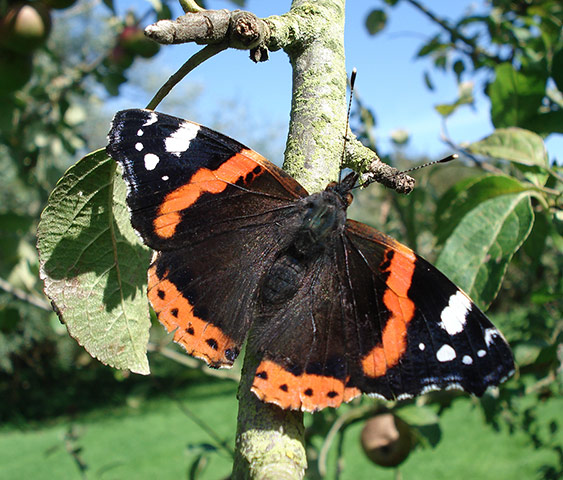
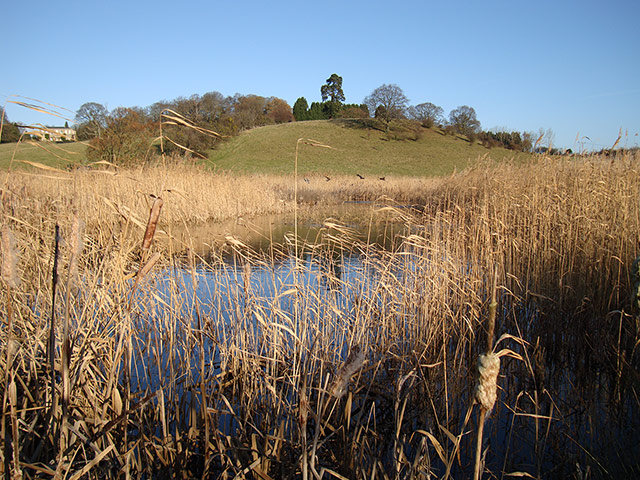
A locally important reserve, being used by a host of wildlife, many of which are either protected or priority species, such as otter, grass snakes and slow worms, including well over 120 species of birds. The site is a mosaic of habitats, which includes four broad habitats, reed bed, open water, scrub and wet/dry meadow as well as areas of mature hedges and trees Photograph: Guardian
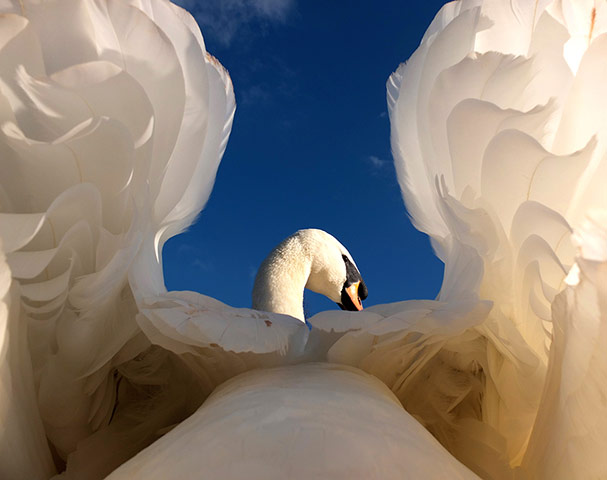
This site forms part of the Wigan Flashes, a 240-hectare reserve formed by mining subsidence. The area has a wide range of habitats including woodland, scrub and fen, marsh and swamp. There is an excellent assemblage of breeding birds there including: little grebe, great crested grebe, mute swan, tufted duck, snipe, redshank, reed and sedge warblers, and the reed bunting Photograph: Guardian
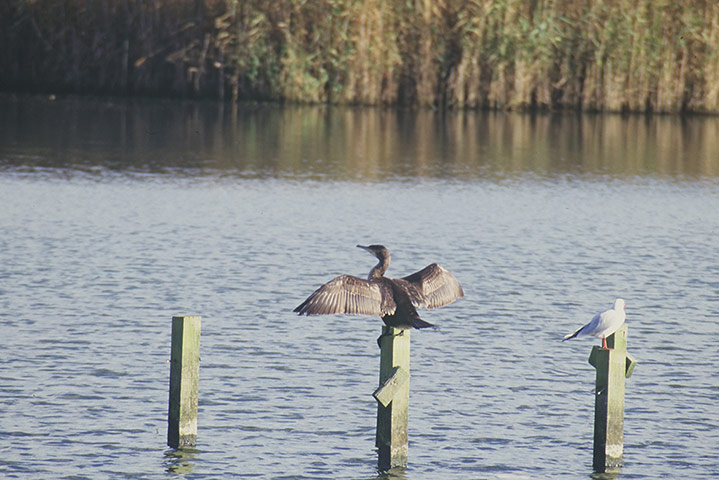
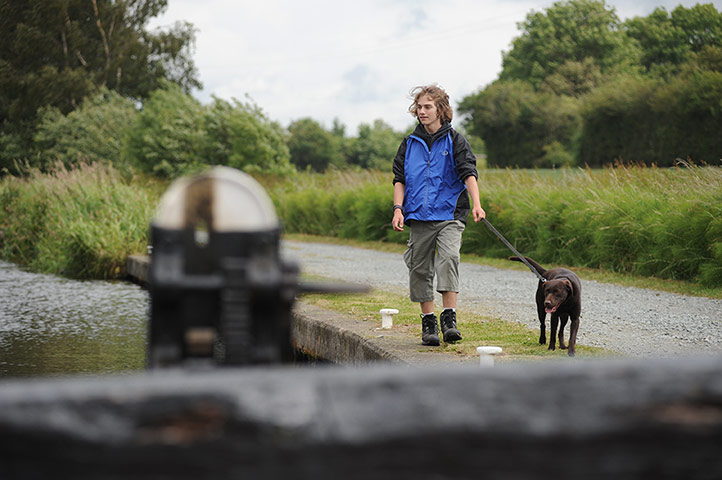
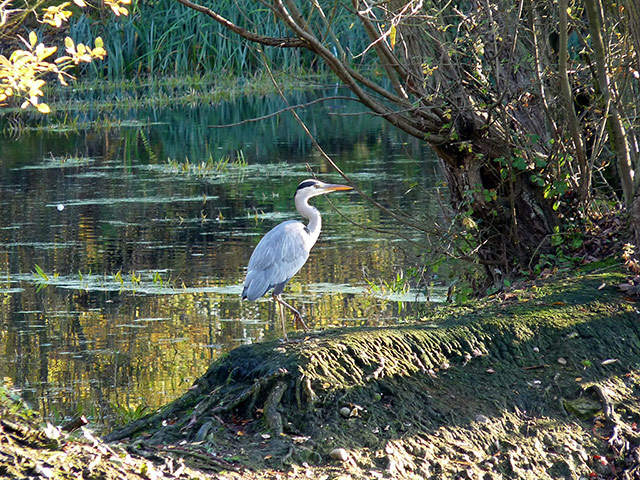
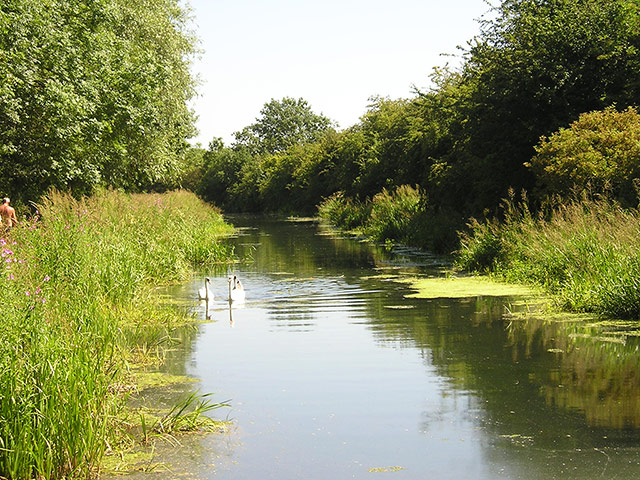
The Pocklington Canal is one of the best places on the canal system to spot birds, insects, small mammals and plants. It runs through Melbourne and Thornton Ings, a series of flood meadows, pasture and woodland which supports a large breeding bird community and wildfowl Photograph: Guardian