More than four years of war have left lasting damage across parts of Ukraine. It has not only affected buildings and infrastructure, but also the natural environment. Areas that once supported forests, wildlife and agriculture have been reduced to barren lands which could take years to recover.
Get breaking news anytime, anywhere. Download the TOI app now!
Ukraine's rich black soil has long been one of the country's biggest strengths. This natural asset helped the European nation become one of the world's leading producers and exporters of grain. Years of war have left it damaged and polluted, making farming difficult in some places.
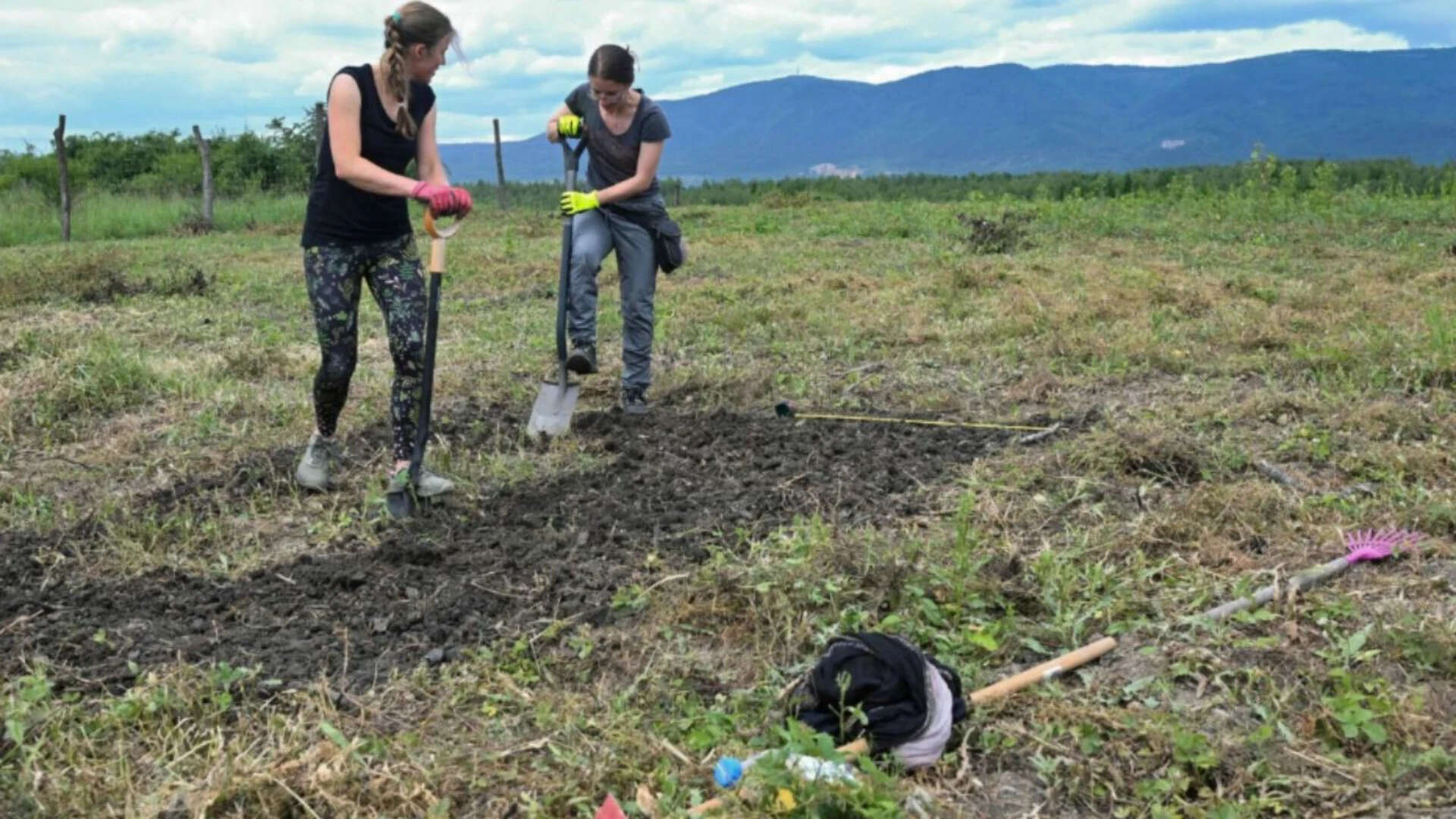
Researchers at the Jan Evangelista Purkyne University (UJEP) in the Czech Republic are testing giant Miscanthus, a fast-growing grass, to see if it can gradually remove harmful pollutants from contaminated soil while also producing biomass that can be used for energy.
The research is part of a NATO-backed project that aims to reduce the environmental damage caused by military conflict. Scientists say the process is slow and could take years, but early findings suggest the grass may improve soil health and prepare damaged land for future farming.
Breadbasket of Europe
Ukraine is often called the 'breadbasket of Europe' because of its vast areas of chernozem or black soil. The soil is rich in nutrients and organic matter, making it one of the most fertile soils in the world. It has helped Ukraine become a major producer of wheat, maize and other crops.
However, after nearly four-and-a-half years of war, large areas of farmland have been affected by military activity. Soil in some regions has been polluted by oil products, explosives and other contaminants.
Heavy vehicles, shelling and fighting have also damaged the land by compacting the soil and destroying vegetation. Restoring this land will be essential if it is to be used for agriculture again.