BONN, Germany (Reuters) - Almost 200 nations kept a 2015 global agreement to tackle climate change on track on Saturday after marathon talks overshadowed by U.S. President Donald Trump's decision to pull out.
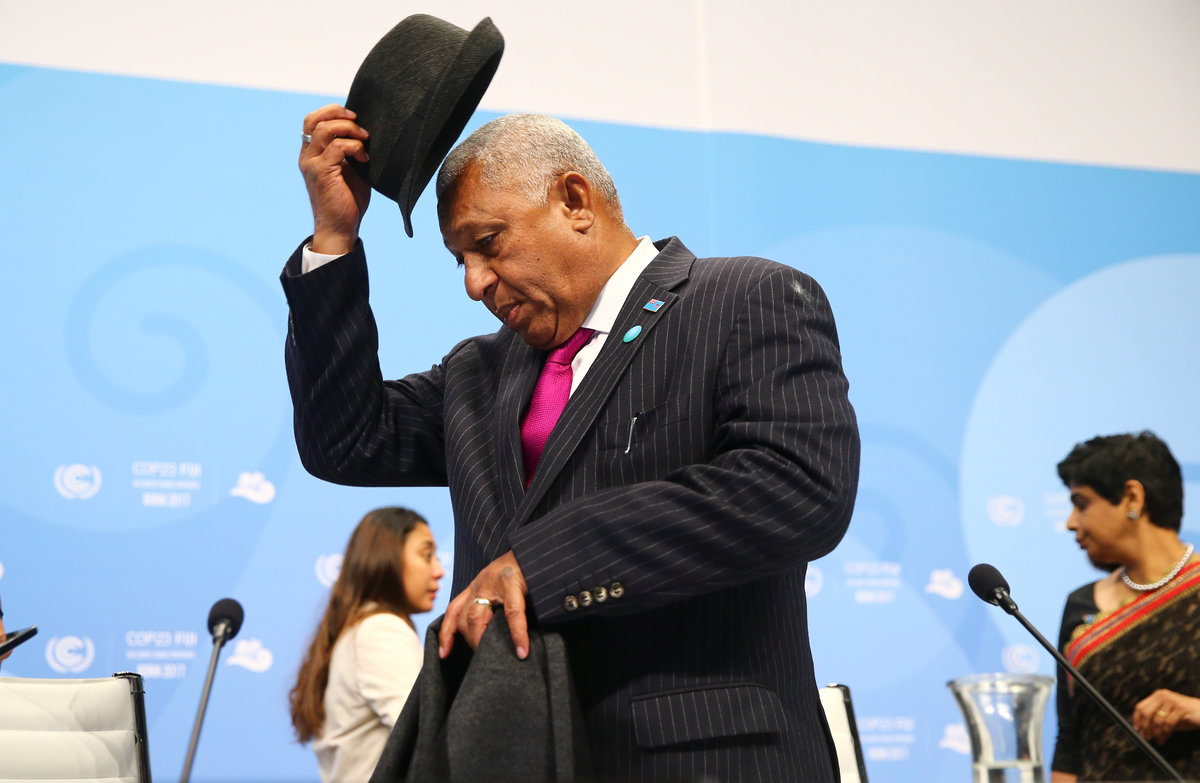
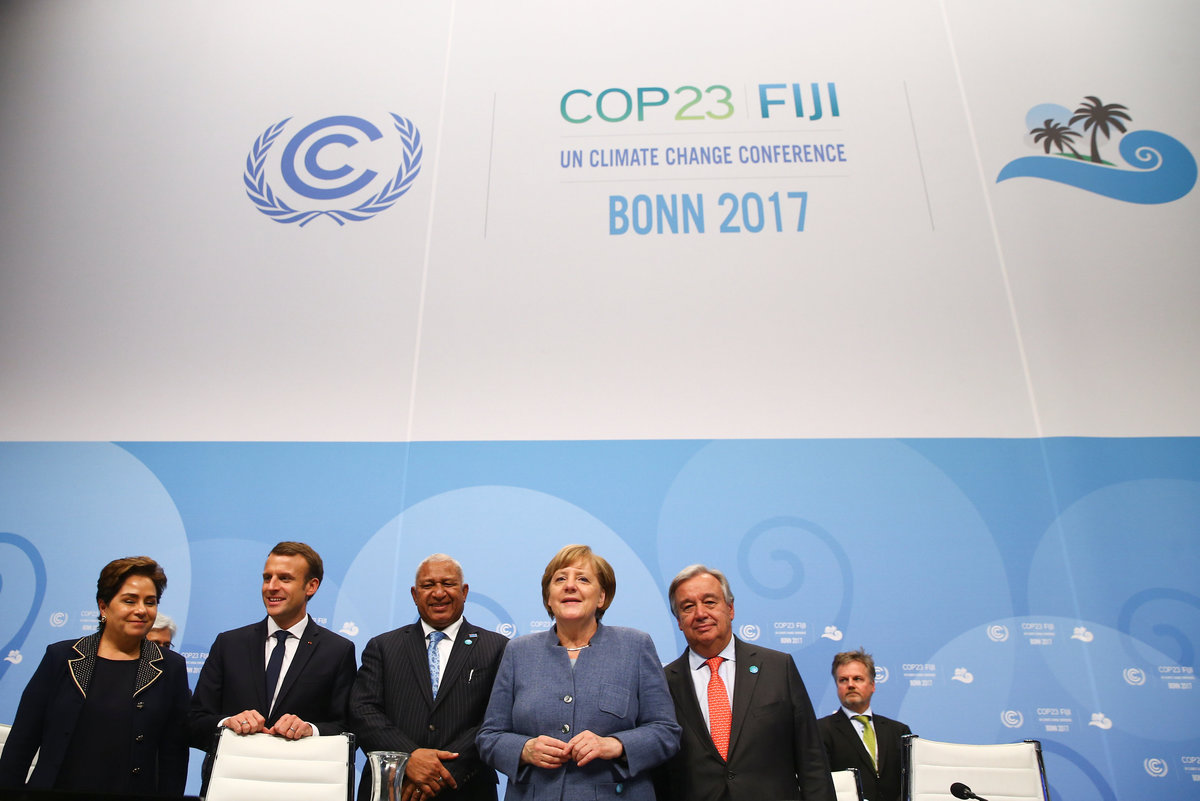
Fijian Prime Minister Frank Bainimarama, presiding at the two-week talks in Bonn, said the outcome "underscores the importance of keeping the momentum and of holding the spirit and vision of our Paris Agreement."
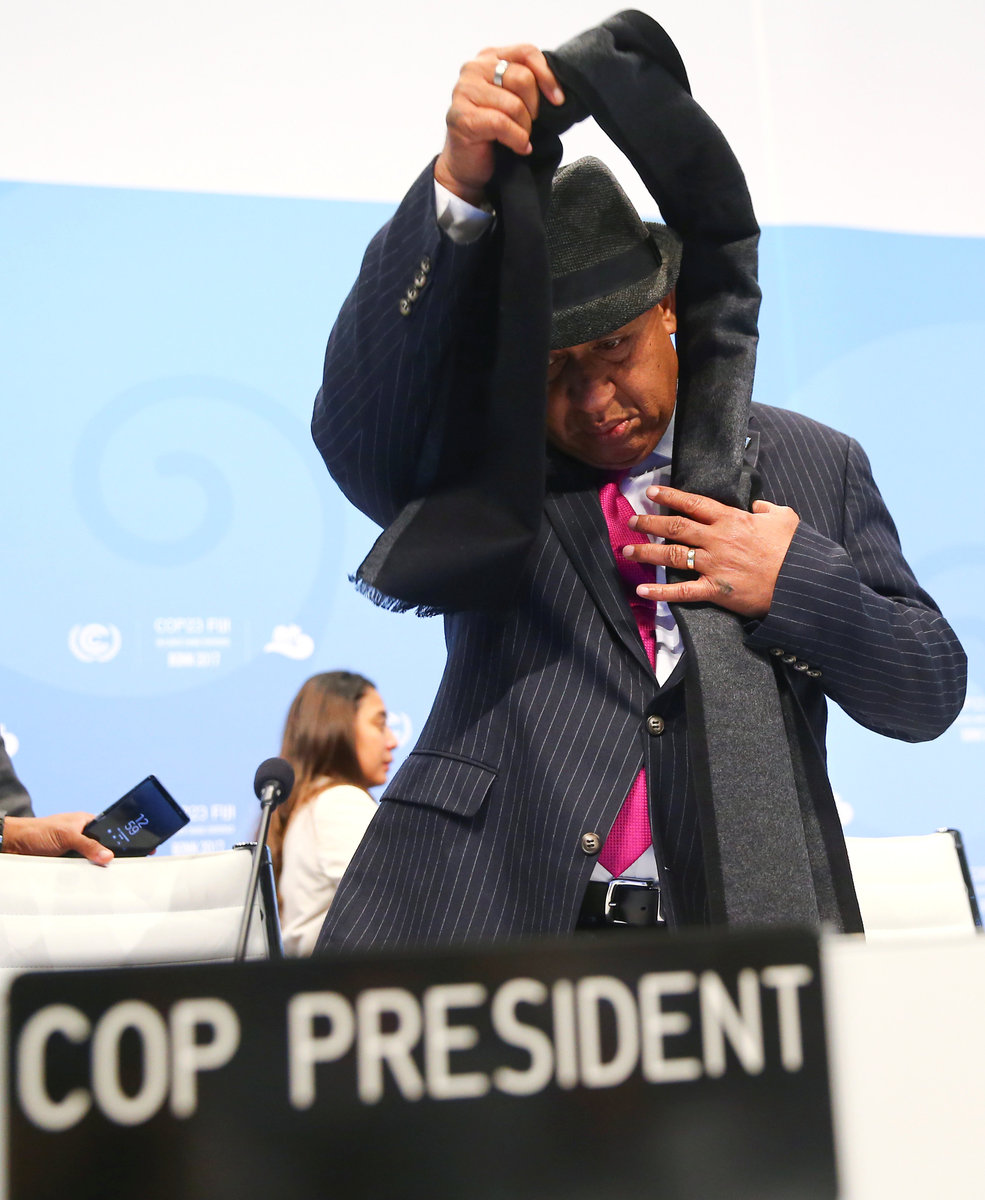
Delegates agreed to launch a process in 2018 to start reviewing existing plans to limit greenhouse gas emissions as part of a long-term effort to ratchet up ambition. It would be called the "Talanoa Dialogue, after a Fijian word for story-telling and sharing experiences.
And they made progress to draft a detailed rule book for the 2015 Paris agreement, which seeks to end the fossil fuel era this century, at the meeting in Bonn that ran overnight beyond a planned ending on Friday.
The rule book, covering aspects such as how to report and monitor each nation's greenhouse gas emissions, is due to be ready by December next year.
Many delegates said the work needed to go faster.
"Right now we're moving at a brisk walk, so all countries will need to really pick up the pace from here," said Jose Sarney Filho, Brazil's minister for the environment.
Gebru Jember Endalew of Ethiopia, who leads the group of least developed countries, also said "many areas of work are still lagging behind", despite steps forward in Bonn.
The Paris pact aims to limit a rise in average world temperatures to "well below" two degrees Celsius (3.6 degrees Fahrenheit) above pre-industrial times, ideally 1.5 (5.4F) to limit more droughts, floods, heatwaves and rising sea levels.
But existing policies are on track to cause a rise of about three degrees (5.4F) by 2100. The Talanoa Dialogue would be a step toward tighter policies.
The Bonn meeting was under the shadow of Trump's decision in June to withdraw from the Paris accord and instead promote the coal and oil industry. Trump doubts that man-made emissions are the prime cause of rising temperatures.
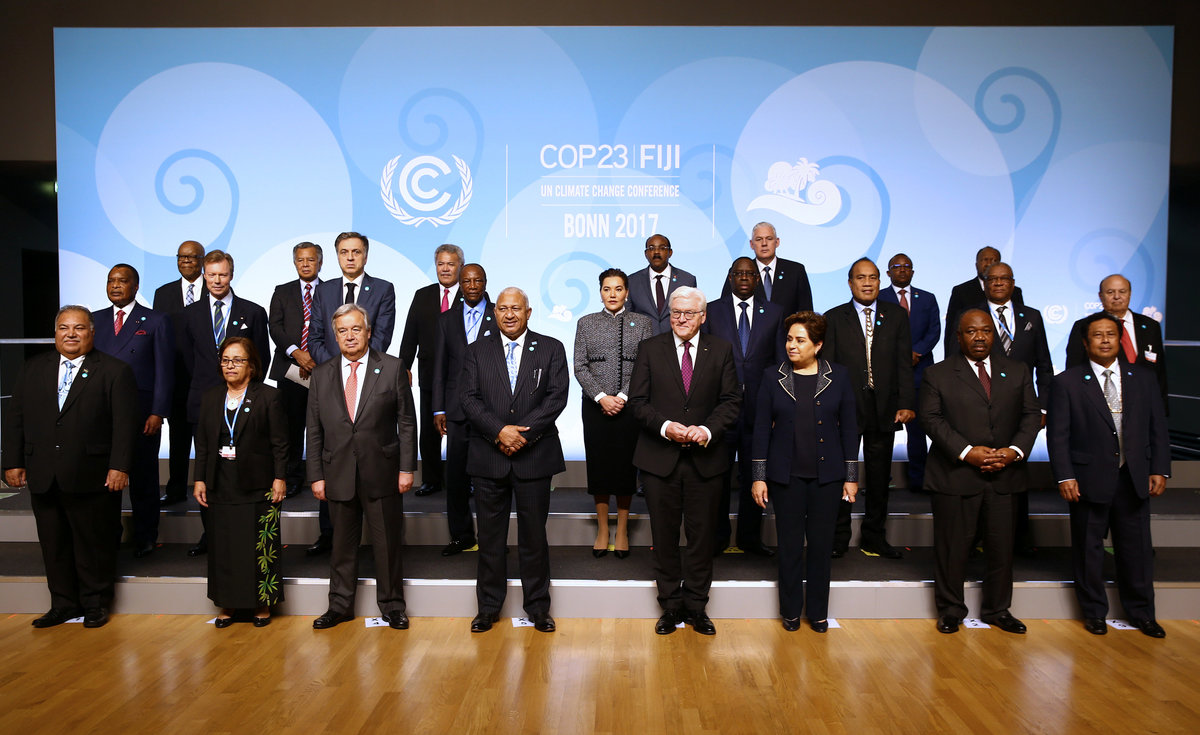
No other nations have followed suit and even nations whose economies depend on fossil fuels have rallied around.
"Everyone got together and said 'we have to protect the world. We have to protect the Paris Agreement'. Countries are moving forward," United Arab Emirates Climate Minister Thani Ahmed Al Zeyoudi told Reuters.
One senior European diplomat said Trump's decision had "sedated" the talks into a numbed sense of unity, avoiding major confrontations to underscore that the main faultline on policy was between Trump and the rest of the world.
Washington retains its place in the talks for now because the Paris pact stipulates that no country can formally pull out before November 2020.
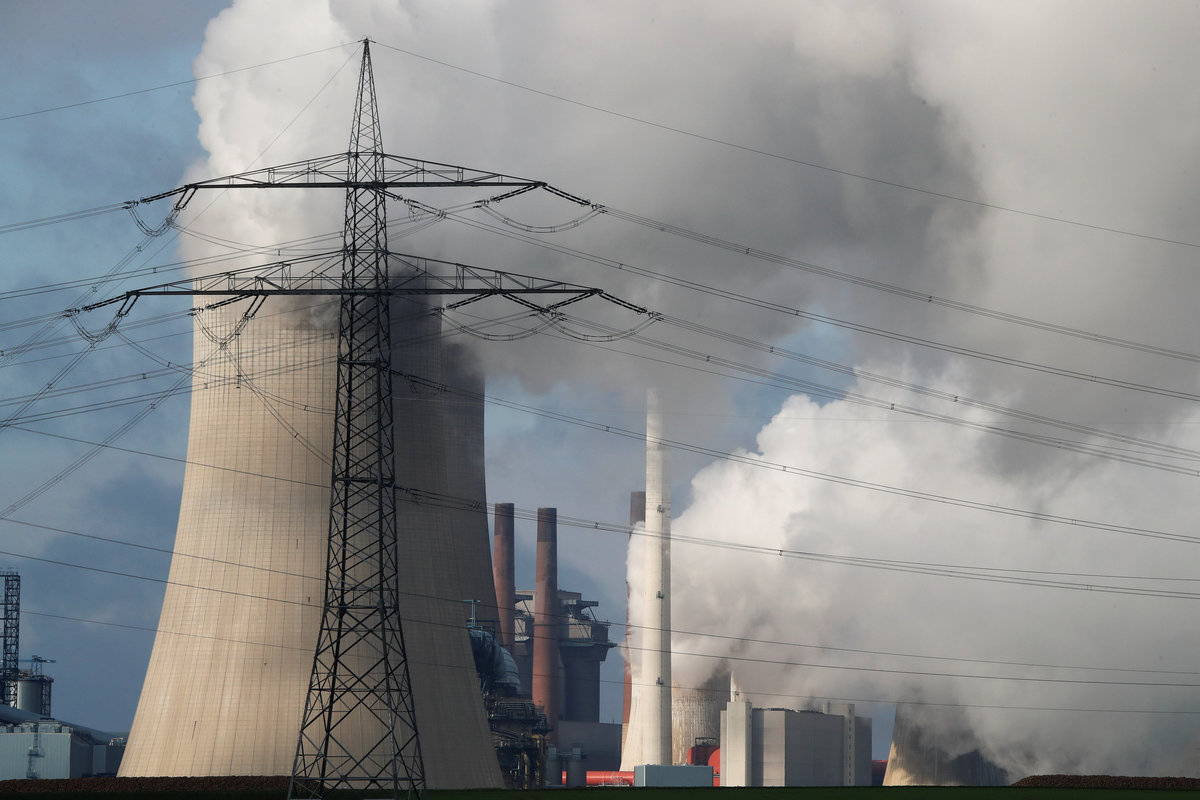
The fossil fuel industry was very much under the spotlight during the talks. The U.S. administration's only event in Bonn was to promote coal, which jarred with many other nations who wanted talks to focus on renewable energies.
In seeming defiance, 20 countries and two U.S. states joined an international alliance to phase out coal from power generation before 2030.
Environmental groups said the outcome in Bonn was a step in the right direction, but many issues needed to be resolved over the next year, including financial support for developing nations who want to cut emissions and for adaptation.
(Editing by Muralikumar Anantharaman)