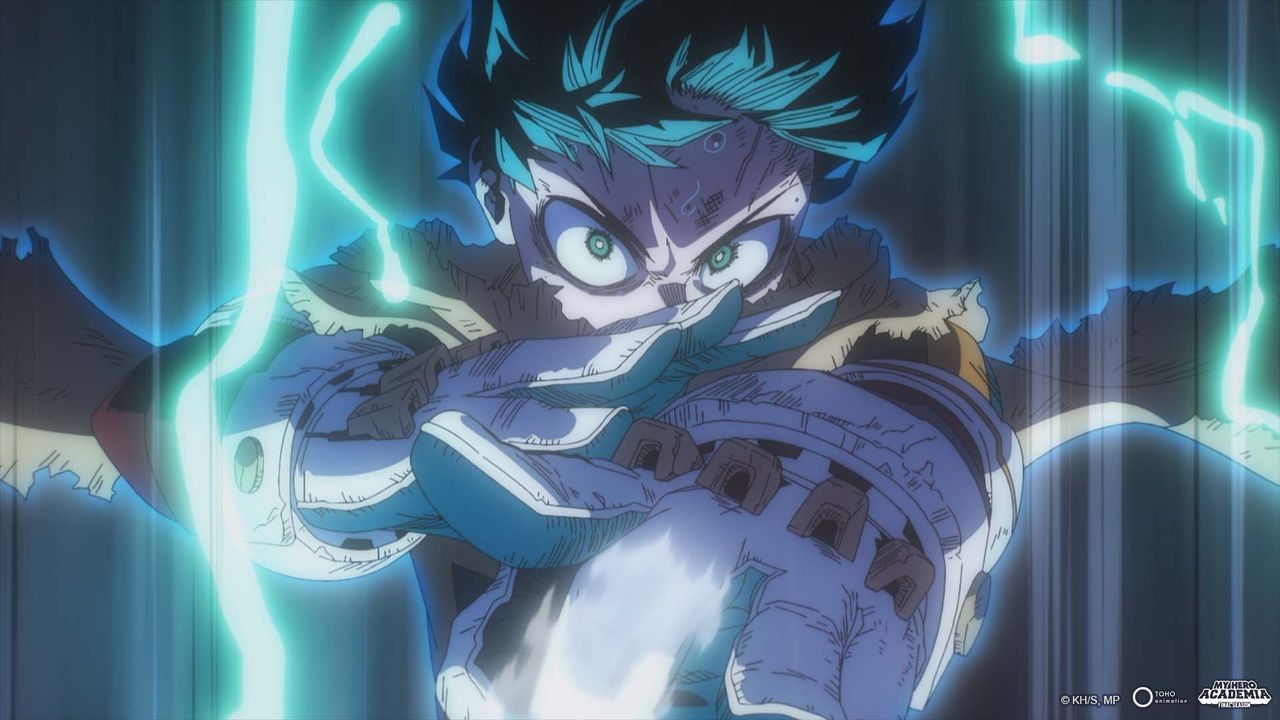
As My Hero Academia comes to an end, the final season cements it as one of the all-time greats, not just in Shōnen anime, but superhero storytelling at large. The journey Izuku "Deku" Midoriya takes from a "quirkless" fanboy to our world's greatest hero will be remembered long after it's completed, inspiring fans just as much as Deku inspired those he saved. But there was a point when this journey could have ended before it had even begun.
Following the manga's climax in 2024, creator Kōhei Horikoshi revealed to Comicbook.com that his career almost died just before he brought Deku to life. "When my second serialization was canceled, I thought, 'I’ll never be able to draw manga again.' I drew My Hero Academia thinking that if this didn’t work out, I would quit drawing manga."
Thankfully, it worked out and then some. Horikoshi has sold over 100 million copies of his manga worldwide, consistently ranking as one of the world's bestsellers — and the anime it inspired hasn't exactly coasted by either.
Boasting 170 episodes and four theatrical films in total, My Hero Academia has dominated anime this past decade, with very few others competing at that same level. And just as the power of All Might has been passed down from generation to generation, so too will the legacy of My Hero Academia itself, thanks to a new Vigilantes spinoff and the upcoming Hollywood live-action remake (that Horikoshi is actively involved in).
While superhero fatigue continues to drag down the show's Western peers, Horikoshi's adaptation is more beloved than ever, with a final run that's drawing some of the highest fan scores yet for this entire franchise. But what is it about My Hero Academia that speaks to so many fans worldwide?
Heroes in training
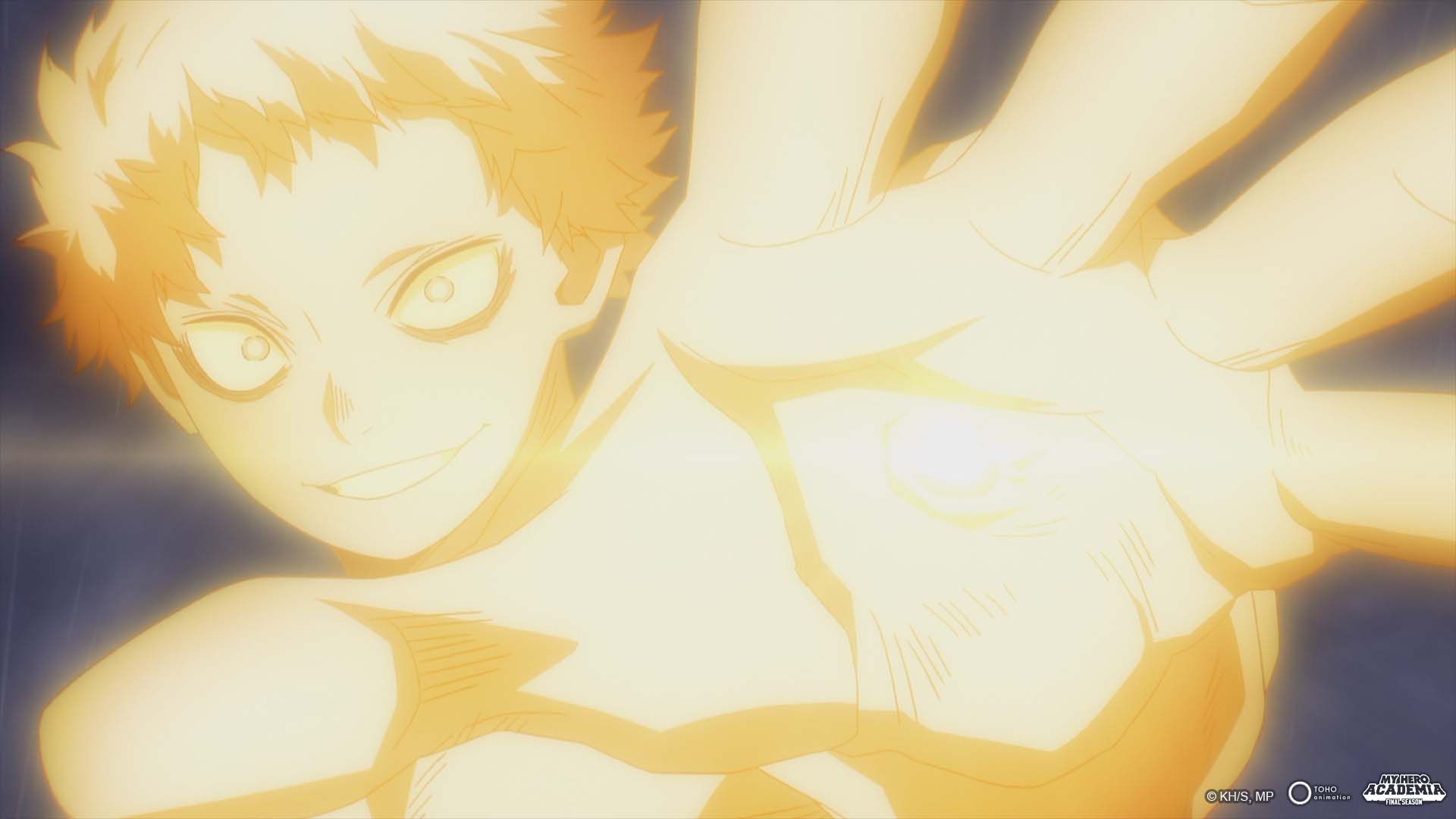
The central premise itself is a winning one, if a tad familiar. Heavily inspired by the X-Men template that Marvel popularised as far back as the 60s, My Hero Academia also stars a large cast of extraordinary students who train together so they can master their gifts and save the world.
What Horikoshi does so well in this regard, however, is flesh out almost every single one of his students so you end up rooting for the whole of Class 1-A, not to mention the countless other heroes and side characters who populate this world.
Even the villains stand out from each other, uniquely driven by their own desires and motivations beyond mere evil. Take Tomura Shigaraki, for example, who uses his decay quirk to crumble the very foundations of society at large because of his childhood traumas. Now compare that to Himiko Toga, a lovesick girl who feels oppressed by societal norms or Stain, the hero killer who believes he's actually helping humanity through murder.
Like Magneto and other X-Men villains of note, these antagonists have unique reasons for turning out the way they did, and they're just as unique in the gift department, too. The "quirks" that superpowered people possess in this world are unlike any you've seen in superhero media before. Sure, some fly and others are strong, but throw in explosive sweat or the power to control white road markings, and you've got yourself some of the weirdest, yet most thrilling, unpredictable fight scenes imaginable.
Beyond the action, which is top-tier, by the way, My Hero Academia also goes in deeper when it comes to issues facing Japanese society — and humanity — at large. Discrimination, isolation, and the very notion of justice itself are challenged and interrogated in ways you'd think the superhero genre would deconstruct more. No easy answers come, however, in a world where heroes can fall and the bad guys sometimes win.
Deku aside, no heroes are truly safe from debilitating injuries that can rob them of their quirks or even their lives. Just look at what happened to All Might, the once invulnerable hero that Deku looked up to like no other. It's rare to see a show like this go to such lengths, yet even so, My Hero Academia doesn't have the same dark reputation that peers like Attack On Titan embrace so readily, and it's all because of the heroes themselves.
Top of the class
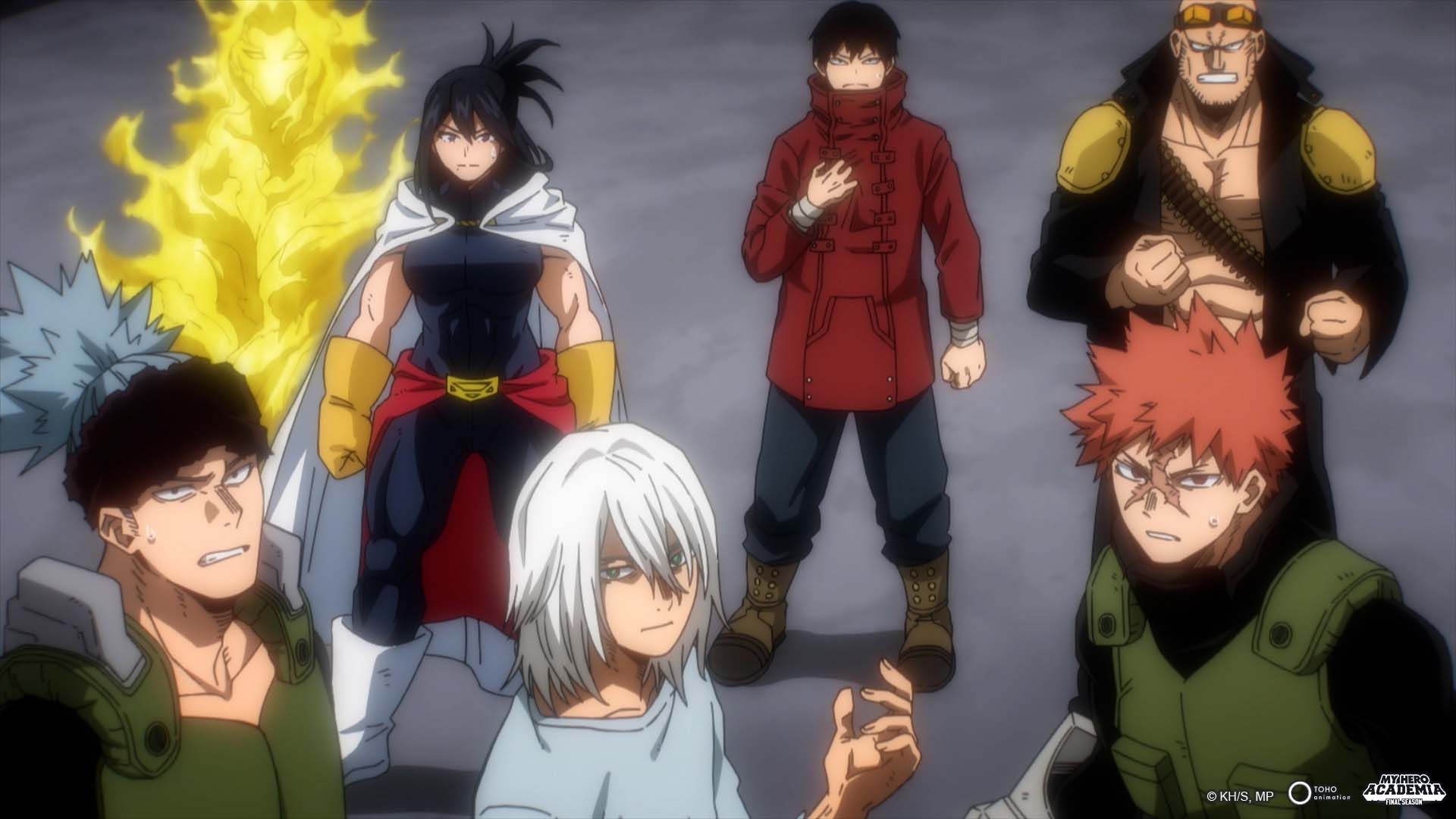
These aren't Avengers or even battle-hardened X-Men. These are teen heroes whose blossoming friendships and school-based challenges are just as important as the wider battle for justice. Between Bakugo's jealous rage and Ochaco's crush on Deku, My Hero Academia works just as well as a teen drama as it does a superhero saga. It's in these smaller touching moments where the story is grounded, and it's in these moments where we come to root for each and every single one of these students.

Class 1-A is the heart of My Hero Academia, and Deku is the heart of Class 1-A, a fact the show never forgot, even as it reached its conclusion. In the final battle against All Might's nemesis, All For One, the entire class rallied behind Deku, shouting "Do your best!" even while they were hopelessly overpowered by the horrors before them. That never mattered, though, not to them. All that mattered was buying their friend enough time to do the right thing and succeed.
Yes, the stakes were bigger here than they've ever been, but that really is the ethos of this show in a nutshell. No matter how tough things get, an earnest belief in doing what's right is vital above all else. And boy, is this show earnest. But therein lies the charm of My Hero Academia. At a time when people are more self-conscious than ever about how they come across to the world at large, Deku and his classmates are steadfastly committed to giving their all, to going "Plus Ultra!"
By striving to do their best, the characters of My Hero Academia ensure that this show is the best, or at least deserves an undisputed spot among the greatest anime shows ever made. It's been a gateway to anime in the same way that earlier shows like Naruto and Dragon Ball were, inspiring fans and artists alike. As Jujutsu Kaisen creator Gege Akutami said when Horikoshi ended the manga, "Jujutsu would not exist without My Hero," and the same can be said for plenty of other modern classics, too.
Not bad for a story that almost never made it to print. But that in itself is rather fitting. Deku's unlikely journey, mirrored by Horikoshi's own, is an inspiration to anyone who's ever dreamed big, to anyone who's ever failed but found the strength to pick themselves back up and try again. That's why the greatest superhero epic of this hero age we find ourselves in wasn't created by Marvel or DC. It's this weird, quirky saga that earnestly captures the essence of heroism like no other.
My Hero Academia season 8 is streaming on Crunchyroll. For more, check out our list of new anime heading your way.